The Pacific Northwest coast looks breathtaking in pictures, but chasing a viral photo can turn deadly in minutes. Three tourists found this out the hard way on Oregon's Lost Boy Beach.
They wanted a dramatic shot. Instead, they got trapped for five hours by incoming tides, forcing a risky rescue operation by the Netarts-Oceanside Rural Fire Protection District.
If you are planning a trip to the rugged Oregon coast, you need to understand how quickly the ocean cuts off escape routes. Let's break down what happened, why remote beaches catch people off guard, and how you can avoid becoming a headline yourself.
The Lost Boy Beach Trap
Lost Boy Beach sits in Tillamook County, tucked away south of a basalt cliff between Short Beach and Tunnel Beach. It is a stunning, secluded cove. It is also a notorious hazard.
The beach is only accessible during a narrow window at low tide. You have to scramble over sharp rocks and walk through a sea cave just to reach it. When the tide rises, the water blocks the exit completely.
Last week, two men and a woman in their mid-20s ignored the risks to snap pictures. The ocean quickly cut off their path back to the mainland. With zero cell service at the bottom of the steep cliff, they were completely stranded.
When Smartwatches Save Lives
Trapped on a shrinking patch of land and getting wet from cold surf, the group faced a terrifying reality. They had no phone signal. Luckily, modern technology saved them.
One of the tourists used an emergency satellite feature on a phone or smartwatch to ping 911. Fire officials received the alert around 3:45 p.m.
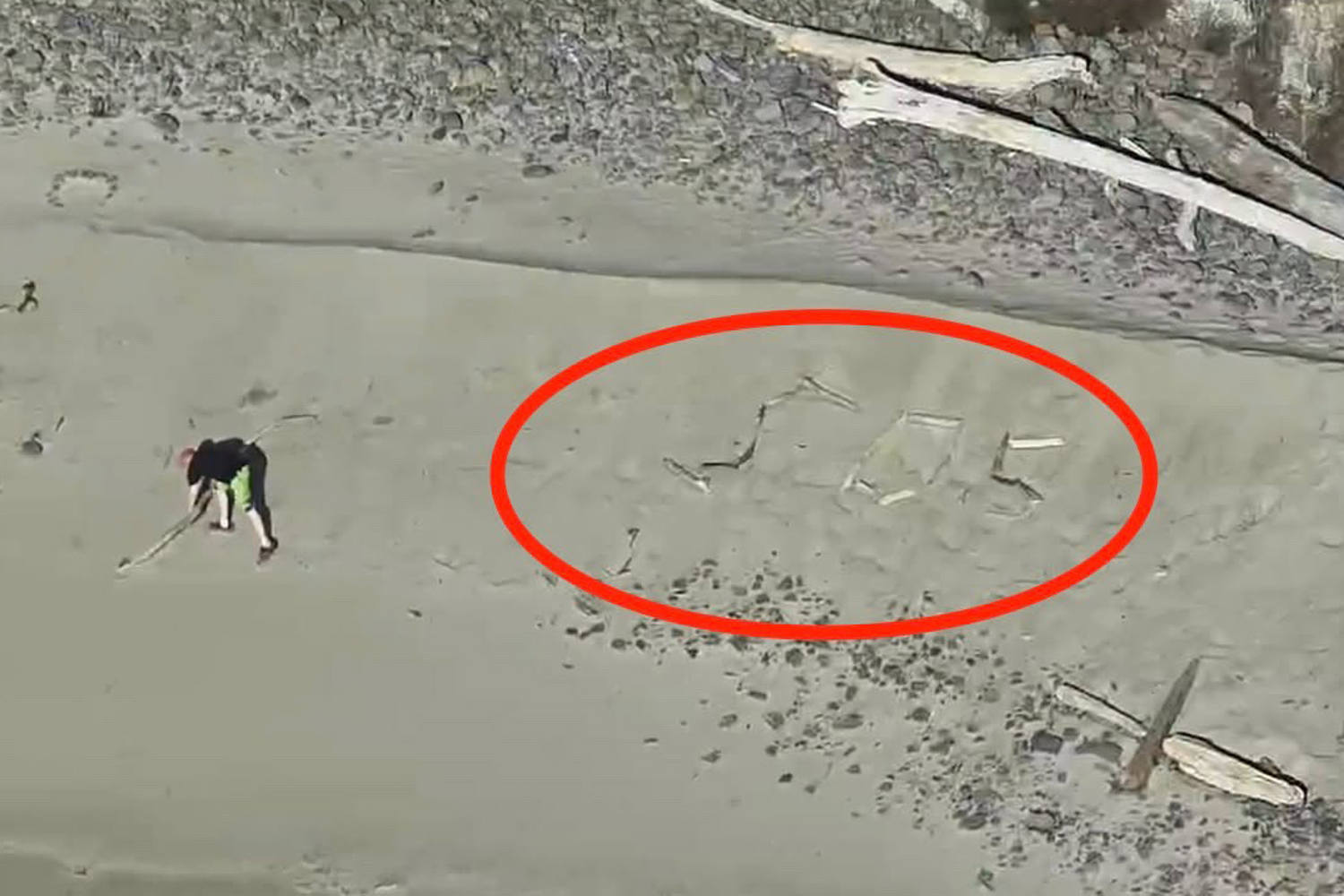
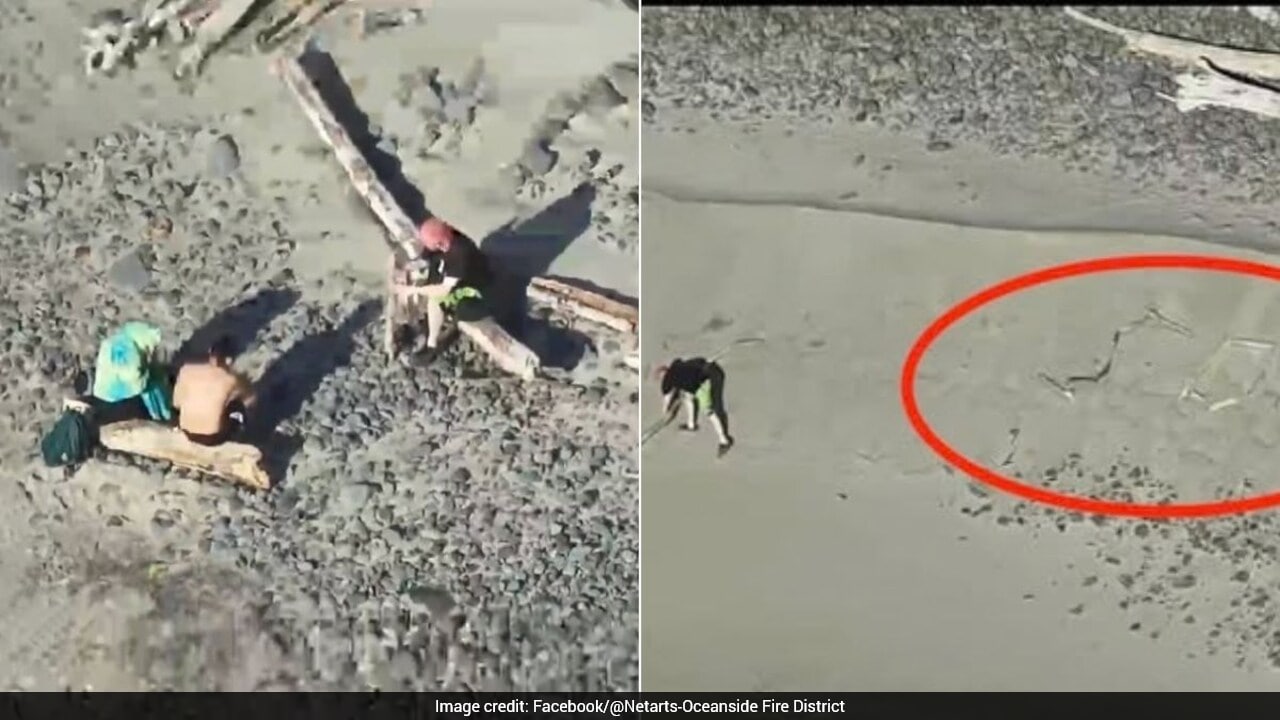
First responders launched a drone to survey the cove. The aerial footage revealed a classic survival scene. The trio had spelled out a massive SOS using driftwood sticks on the tiny spit of land remaining above water.
Why Rescuers Had to Move Fast
Fire Chief Jeff McBrayer and his crew faced a tough decision. They initially considered waiting for the tide to drop naturally.
That plan changed quickly. The tourists were cold, wet, and shivering. Hypothermia sets in fast in 50-degree Pacific water, especially with strong winds blowing through the cove. Worse yet, rescue crews spotted multiple large sneaker waves rolling into the shore.
Waiting wasn't an option anymore.
Three rescue swimmers headed down the cliff face. They hugged the slippery shoreline using secured ropes rather than wading blindly through the rough surf. When they reached the group, they handed out personal flotation devices, clipped the tourists onto safety lines, and guided them through the churning water back to safety. The visitors escaped with minor bumps, bruises, and a massive wake-up call.
How to Explore Oregon Beaches Safely
People underestimate the Pacific Ocean every single day. You can't just show up and walk onto a secluded beach without preparation.
- Check the tide charts religiously. Download a reliable tide app or talk to local business owners before heading out. Know the exact low-tide window and give yourself a buffer of at least an hour on either side.
- Respect the rocks. If an area requires scrambling through caves or around headlands, assume the water will eventually block your return.
- Watch the sneaker waves. Oregon's surf is unpredictable. A wave can surge yards higher than the rest, sweeping people off dry sand in seconds.
- Carry satellite communication. Cell service is nonexistent in many coastal coves. If your device has satellite SOS capabilities, make sure you know how to use it before you hit the trail.
Don't let a quest for social media likes put your life in the hands of local rescue volunteers. Check the tides, respect the ocean, and know when to turn back.


:max_bytes(150000):strip_icc()/vancouver_airport_airplane-56a9bb7b3df78cf772aa0363.jpg)