Washington wants total economic isolation for Tehran, but Islamabad isn't playing along.
Foreign Ministry spokesperson Tahir Andrabi made it clear during a weekly briefing in Islamabad that Pakistan refuses to recognize unilateral economic penalties imposed by the United States. Unless a directive carries the formal backing of the United Nations, Pakistan maintains that it is legally and sovereignly free to continue bilateral commerce with its western neighbor. This stance creates an immediate friction point with the White House, especially following Treasury Secretary Scott Bessent's rollout of sweeping financial restrictions designed to choke off Iranian revenue channels.
The Real Motive Behind Islamabad's Defiance
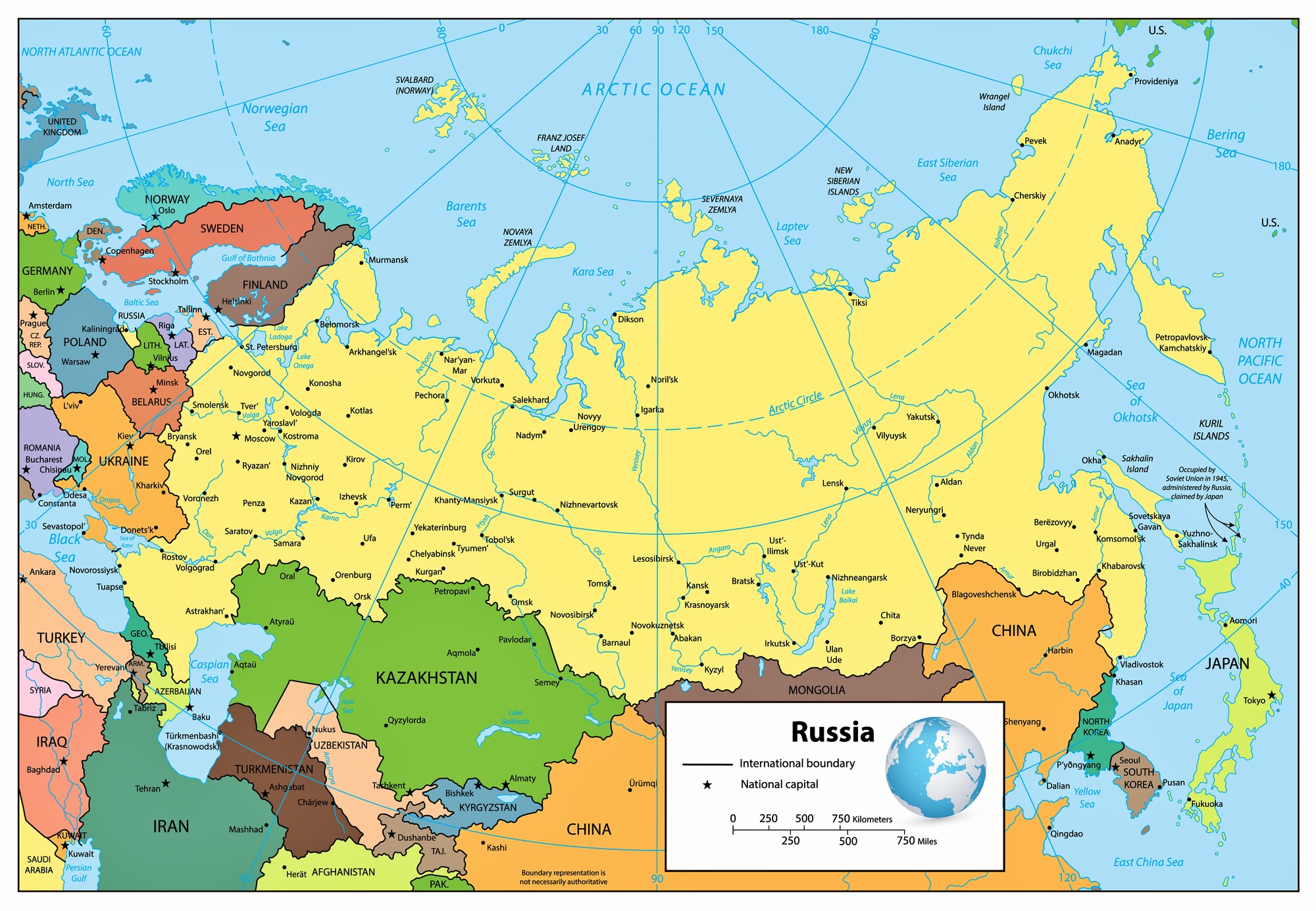
Geopolitics rarely operates on pure altruism, and Pakistan's refusal to bow to external pressure stems from a mix of geographic reality and economic necessity. Sharing a long, porous border with Iran means that maintaining stable economic ties is vital for regional stability. Islamabad isn't just protecting a neighbor; it's safeguarding its own energy supply chains and border security interests.
When US officials threaten secondary penalties against any nation doing business with Tehran, they underestimate how tightly intertwined neighboring economies are. Pakistan relies on bilateral frameworks that predate the latest escalations. Walking away from those agreements would cause immediate domestic disruption for little diplomatic gain.
Walking the Tightrope of Mediation
What makes Islamabad's position unique is its active dual role. Pakistan isn't just defying Washington; it's actively trying to broker peace between the United States and Iran.
High-level diplomatic maneuvers, including visits by top military leadership to Tehran, underline Pakistan's commitment to finding a negotiated exit from the ongoing standoff. Alongside regional partners like Qatar and Oman, Pakistani diplomats are attempting to bridge massive divides over critical maritime bottlenecks like the Strait of Hormuz.
Playing the mediator while simultaneously rejecting unilateral financial blockades requires careful diplomatic footwork. Islamabad argues that economic warfare only hardens positions, whereas genuine dialogue offers the only permanent escape from repeated cycles of military escalation.
What This Means for Global Trade Enforcement
Washington's latest strategy aims to force third-party compliance through the threat of financial exclusion. Yet, as more regional players choose to prioritize localized stability over distant mandates, the enforcement mechanism loses teeth.
When nations with direct geographic stakes decide that external edicts violate international norms, enforcement turns into a game of diminishing returns. Islamabad's refusal sets a notable precedent for other developing economies caught in the crossfire of superpower rivalries. Expect mounting diplomatic pressure from Western capitals, but don't look for Pakistan to reverse course anytime soon. Sovereignty still trumps foreign pressure when your own backyard is on the line.
Pakistan Says US-Iran Arrangement is Close, Primary Day in Six States | Balance of Power
This video provides essential context on Pakistan's high-stakes diplomatic balancing act and mediation efforts between Washington and Tehran.
http://googleusercontent.com/youtube_content/1