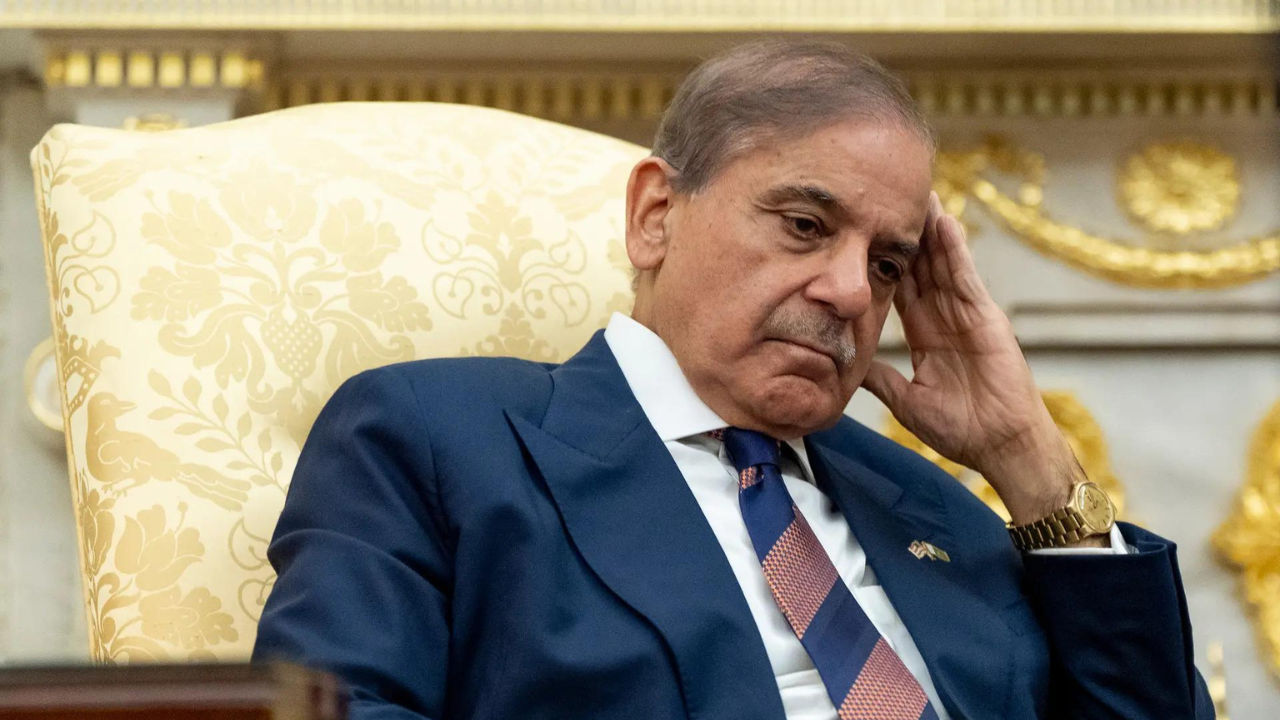
You've probably watched political figures flip-flop on major issues before, but Islamabad's latest pivot regarding Pakistan-occupied Kashmir is staggering even by traditional standards. Just days after defense officials labeled local demonstrators as foreign threats and state enemies, the political machine shifted gears completely. Prime Minister Shehbaz Sharif’s administration suddenly discovered that ninety-nine percent of those same activists are actually "patriotic brothers".
Why the sudden warmth? Elections, of course. Meanwhile, you can find related developments here: Why Vladimir Putin Struggling To Vote Says Everything About Modern Russia.
Understanding this abrupt U-turn requires looking past the rhetoric and examining how political survival shapes state policy in South Asia. When the ruling Pakistan Muslim League-Nawaz needs to secure legislative control, hostility gets rebranded as brotherhood overnight.
The Anatomy of a Convenient Rebrand
For months, the Joint Awami Action Committee led persistent demonstrations across the region, rallying students, traders, lawyers, and workers against high inflation, economic strain, and controversial legislative seats. Islamabad's initial response wasn't subtle. Authorities designated the group a banned organization, deployed heavy security forces, and imposed strict communications blackouts. To understand the full picture, check out the recent analysis by The Guardian.
Defense Minister Khawaja Asif didn't mince words early in the crisis, openly stating that there would be zero dialogue with demonstrators because he bracketed them in the same category as national adversaries. State media and senior officials accused the crowds of staging violent, coordinated assaults designed to destabilize regional authority.
Then came the ballot box math.
As voting progressed through its chaotic phases, the PML-N secured enough victories to claim a majority in the local assembly. With the electoral math secured and international rights organizations like Amnesty International raising red flags about state crackdowns, the tone from Islamabad underwent a surgical alteration. Rana Sanaullah, a key adviser to the prime minister, stepped up to microphone stands and announced that negotiations would begin immediately once the final government formation takes place, warmly labeling the protesters as patriotic citizens.
What the Official Narrative Leaves Out
If you only follow state broadcasts, you'll miss the grim reality on the ground. Local groups and independent monitors paint a picture of severe repression rather than a simple political disagreement. Activists insist that dozens of civilians lost their lives during security crackdowns and long marches toward Muzaffarabad. Islamabad routinely dismisses these figures as exaggerated, maintaining that security personnel faced armed provocations.
Meanwhile, New Delhi maintains a sharp focus on these developments, arguing that the ongoing unrest stems directly from decades of administrative neglect, economic exploitation, and a systematic denial of basic rights in the territory. Independent observers note that the core grievances—such as the contested refugee seats used to manipulate election outcomes—remain entirely unresolved despite the government's sudden rhetorical embrace.
The Broader Geopolitical Fallout
This administrative soft-pedaling doesn't fool everyone. Coalition partners at the federal level have openly accused the ruling faction of manipulating results through intimidation and heavy-handed tactics. Protest leaders have labeled the entire electoral exercise a fraud conducted under the shadow of military rangers, urging residents to stay away from polling stations entirely.
Calling critics "enemies" one week and "brothers" the next exposes a governance strategy built entirely on convenience. When dissent threatens power, it triggers a security crackdown. When votes are counted and legitimacy is needed, it triggers an invitation for dialogue.
The real question isn't whether Islamabad will sit down with local leaders after the final ballots are tallied. The real question is how any population can trust an olive branch offered only after the bullets stop flying.
Munir's crackdown during PoK polls: Region's politics, complexities & Pakistan's 'Kashmir' pretence
This video provides a detailed breakdown of the political complexities, security crackdowns, and underlying motivations driving the recent unrest and elections in Pakistan-occupied Kashmir.
http://googleusercontent.com/youtube_content/1