Blood runs cold in Khyber Pakhtunkhwa again. A brutal, multi-pronged assault on the Kohat Police Lines has left at least 31 people dead, including 23 Pakistani personnel and civilians, alongside eight attackers who were neutralized after an intense, hour-long siege.
If you glance at surface-level headlines, you might think this was just another standard militant ambush in northwestern Pakistan. It's not. This operation exposed deep systemic vulnerabilities in how local law enforcement facilities are guarded against coordinated suicide squads. Don't forget to check out our recent coverage on this related article.
Let's break down what actually happened during the Kohat Police Lines attack, why the casualty count spiked so horribly, and what this means for regional security moving forward.
The Anatomy of the Kohat Assault
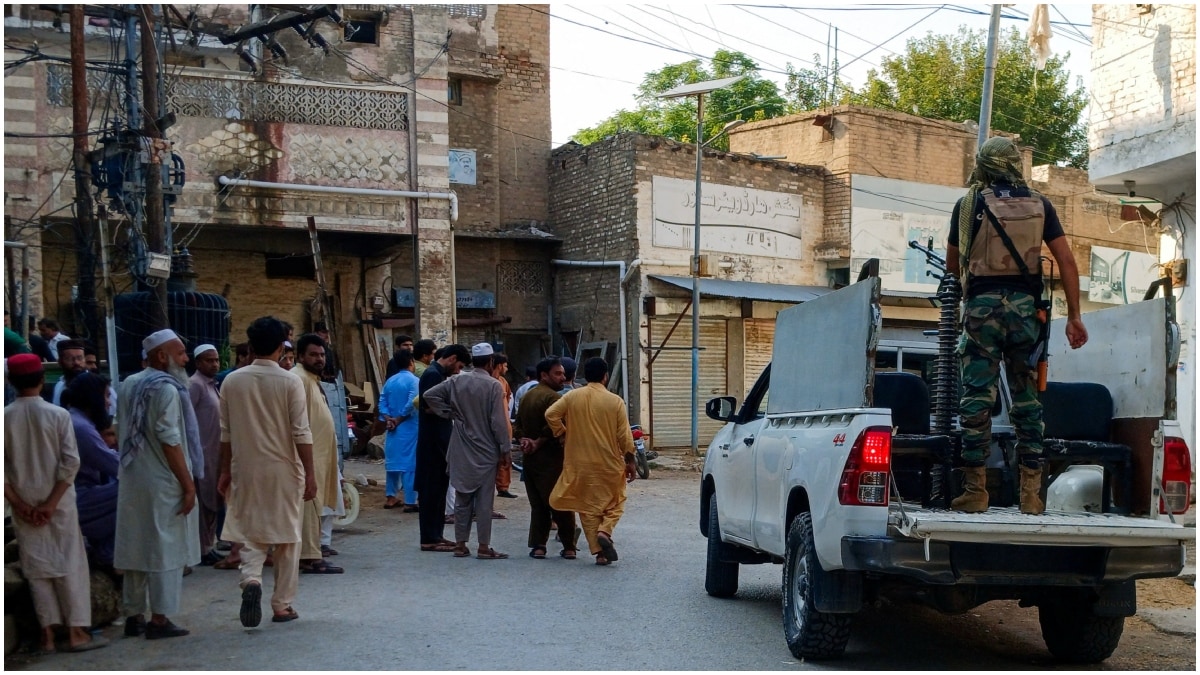
The carnage began on a Friday when terrorists executed a complex strike near the old Police Lines in Kohat, located roughly 60 kilometres southwest of Peshawar. To read more about the history of this, TIME offers an excellent breakdown.
The strategy was ruthless and deliberate. First, an explosives-laden vehicle rammed directly into the facility's gate, triggering a massive initial blast. While the dust was still settling, heavily armed militants swarmed the compound.
They didn't just stop at the gate. The attackers pushed deep into the facility, targeting a local mosque where officers and staff had gathered for Friday prayers. Most of the police personnel who lost their lives were struck down right there while offering prayers.
Following the initial mosque carnage, a second suicide blast ripped through the Special Branch building. Gunfire echoed across the compound for nearly 22 hours as Elite Force commandos, Counter-Terrorism Department (CTD) teams, and regular security forces scrambled to retake the buildings.
High-ranking officials weren't spared from the chaos either. SP Traffic Akbar Shinwari and Dr Israel Orakzai, head of the paediatric department at DHQ Hospital, were killed. Meanwhile, the CTD Additional IG sustained injuries from a grenade attack during the fierce gunfight. Around 100 people suffered injuries, overwhelming local medical infrastructure.
Who is Responsible and Why It Matters
The Hafiz Gul Bahadur-led Ittehadul Mujahideen claimed responsibility for the bloodshed. Groups operating out of the rugged borderlands continue to exploit security gaps in Khyber Pakhtunkhwa, shifting tactics from hit-and-run ambushes to complex, urban-style facility overruns.
Why do these groups keep breaching heavily fortified police compounds?
Several operational failures keep repeating:
- Perimeter defenses often rely heavily on single-gate entry points without secondary blast-mitigation barriers.
- Intelligence sharing between local precinct stations and specialized intelligence wings frequently lags during fast-moving threats.
- Gathering large groups of personnel in centralized communal spaces like mosques inside tactical compounds during high-threat security environments creates catastrophic vulnerabilities.
When a vehicle-borne improvised explosive device takes down a primary entry point, the entire security architecture of a regional police line shouldn't collapse within minutes. Yet, that's precisely what happened in Kohat, forcing an exhausted overnight counter-operation involving specialized units like the army's 9 Infantry Division to finally clear the compound.
The Immediate Aftermath and Next Steps
The counter-terror operation has officially ended with all eight intruders neutralized, but the psychological and operational fallout for Pakistan's security apparatus is immense.
Injured personnel fill hospital wards, and investigators are combing through the charred remains of the Special Branch building to piece together how the militants managed to bypass initial outer checkpoints with a vehicle packed with explosives.
If security forces in Khyber Pakhtunkhwa want to prevent a repeat of Kohat, radical changes are mandatory. Structural hardening of police stations, decentralized prayer rotations during high alerts, and upgraded electronic surveillance along approach roads aren't optional upgrades anymore—they're matters of basic survival.