At 8:37 AM on August 26, 2026, the earth shook beneath Langtang National Park. Sensors thousands of miles away picked up what looked like a magnitude 5.2 earthquake. It wasn't. An enormous section of a Himalayan glacier had just sheared free, plunging nearly two thousand meters down a steep valley near the China-Tibet border.
If you think this was caused by a standard monsoon overflow, you're missing the terrifying reality of high-altitude climate hazards. There was no heavy rainfall that morning in the Rasuwa district. The catastrophe was a sudden, violent debris avalanche of ice, rock, and flash-melt water that raced down mountain channels at speeds reaching 150 kilometers per hour.
The Seven-Minute Countdown to Impact
When the glacier collapsed into the Lhende Khola riverbed, it didn't just splash. The sheer gravitational force and frictional heat turned millions of tons of ice and pulverized rock into a liquid mud slurry instantly.
Security cameras at the Gyirong Port border crossing captured the horrifying reality just seven minutes after the initial mountain collapse. A wall of black water and boulders slammed into the international trade post, sweeping it away entirely before rushing into the Bhotekoshi and Trishuli river systems.
Communities downstream had virtually zero warning time. While the Nepalese authorities managed to blast out hundreds of thousands of emergency mobile alerts within a single minute by 9:15 AM, the wall of water was already tearing through local infrastructure, burying bridges, and washing away homes before residents could even look at their phones.
Why Traditional Disaster Models Failed
Hydrological experts and disaster planners build defenses around seasonal monsoon surges and predictable river overflows. They don't typically account for high-elevation glacial mass failures that mimic seismic shocks.
- The Speed Factor: Traveling over 80 kilometers across rugged terrain, the debris flow outpaced standard emergency response protocols.
- The Element of Surprise: With clear blue skies at district headquarters and no rainfall recorded, local residents had no visual cues of impending danger.
- Infrastructure Vulnerability: Vital highways, border posts, and hydropower projects stood zero chance against a slurry carrying the kinetic energy of a nuclear blast.
Surviving the Aftermath
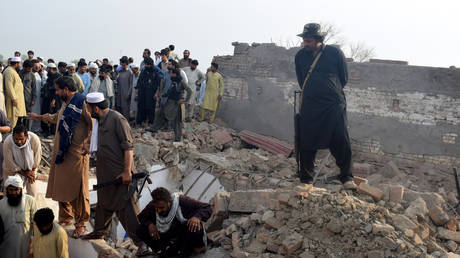
Now that the initial wall of water has receded, survivors face an entirely different kind of emergency. Finding safe shelter, clean drinking water, and uncontaminated food in remote mountain districts like Nuwakot and Rasuwa is an uphill battle. Search and rescue crews are still combing through thick layers of grey silt where villages once stood.
If you're tracking climate vulnerabilities in mountain regions, stop looking solely at rain gauges. Pay attention to satellite data showing accelerated glacier movement and meltwater pooling at high altitudes. Nature doesn't wait for committee meetings, and preparation requires anticipating disasters that defy historical weather patterns.
Nepal deadly floods: FRANCE 24 report – on the ground with survivors
This video provides an on-the-ground look at the affected villages in Nepal and highlights the struggles survivors face after the flash flood.
http://googleusercontent.com/youtube_content/1