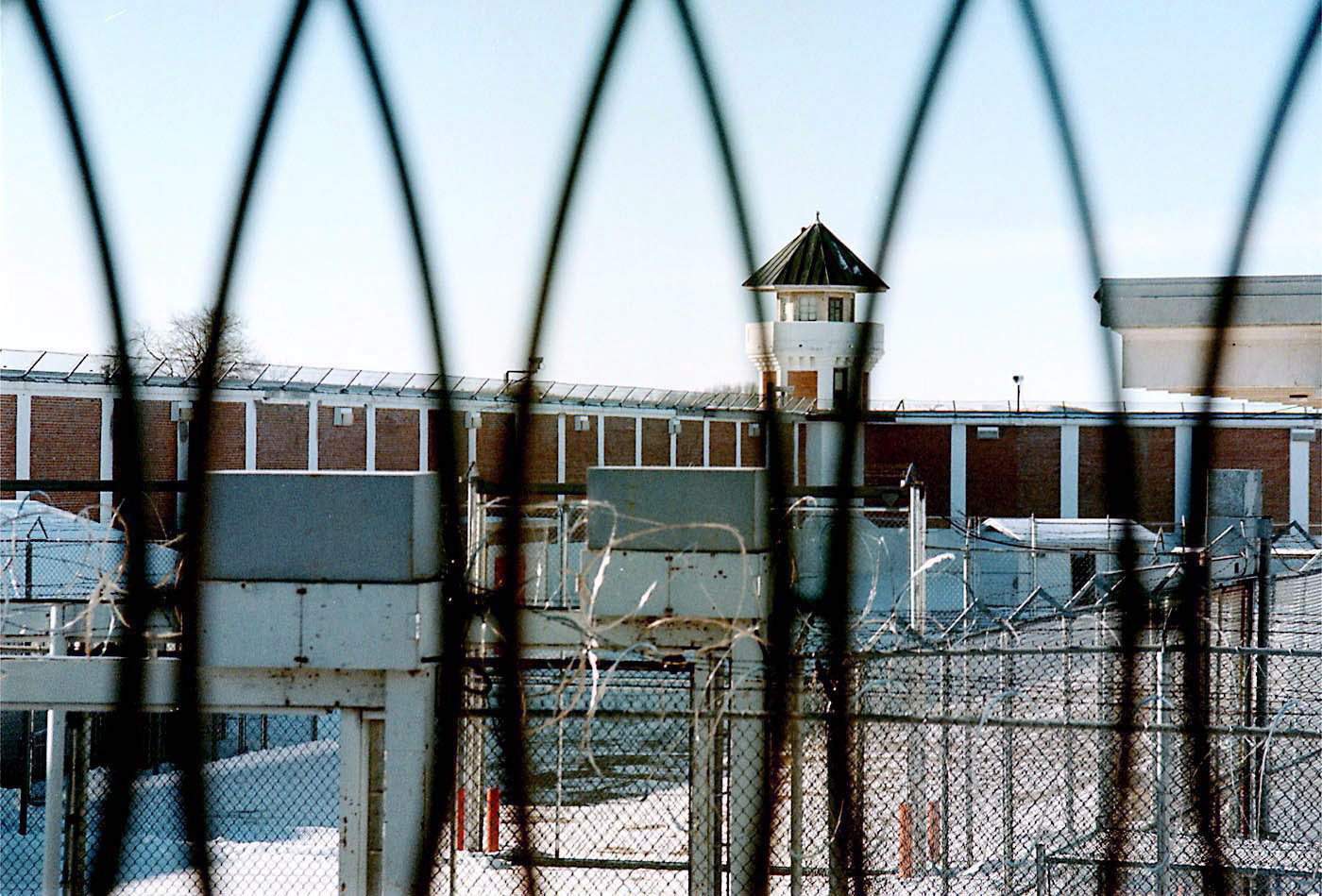
A stash of illicit items worth nearly 149,000 dollars doesn't just walk into a medium-security federal facility by accident.
Correctional Service Canada recently reported that staff at the Saskatchewan Penitentiary in Prince Albert intercepted three separate packages containing prohibited goods over a span of several days. When you look at the numbers, the scale of the operation is staggering. We are talking about nearly 149,000 dollars in institutional street value smuggled right into the hands of inmates.
Let us break down what was actually recovered. Staff members pulled methamphetamine, cocaine, THC concentrate, and tobacco out of circulation. They also found a cell phone, a charger, a USB card reader, and rolling papers.
That mix of narcotics and tech gear tells a very specific story about how illegal markets operate behind bars.
The Economics Behind a 149000 Dollar Prison Seizure
Why do people risk prison time to smuggle small packages into facilities like the Saskatchewan Penitentiary? Simple economics.
Inside federal institutions, everyday items and illicit substances multiply in value. A gram of drugs or a single communication device commands prices that would shock anyone on the outside. Smugglers treat prisons like high-margin retail markets.
When Correctional Service Canada pinned the institutional value at 148,840 dollars, they weren't guessing. They calculate these figures based on what those items fetch behind the fence. A cell phone isn't just a phone anymore. It is an operations hub. It allows inmates to coordinate outside activities, manage debts, or run criminal networks from inside a cell.
Drugs like methamphetamine and cocaine drive massive addiction-fueled economies within the prison population. That creates debt, violence, and constant operational headaches for wardens and guards.
How Contraband Enters Canadian Federal Institutions
If you think stopping prison smuggling is easy, you've never spent time monitoring perimeter fences.
Prisons face constant pressure from outside actors using creative methods. Throw-overs remain a classic tactic. Someone drives near the facility perimeter under the cover of darkness, launches a weighted package over the fence, and an inmate retrieves it during recreation time.
Drones have completely changed this game. Instead of relying on a strong throwing arm, criminal groups fly heavy-duty drones right up to courtyard windows or rooftop ventilation systems. They drop payloads with pinpoint accuracy.
Corrupt staff members or visitors also provide traditional entry vectors. But packages intercepted on August 20, 21, and 24 point directly toward coordinated drop attempts or perimeter breaches. Staff members caught these items because of routine vigilance, ion scanners, and specialized detector dogs.
The Technology Arms Race Inside Canadian Prisons
Correctional facilities are fighting back with heavy hardware, but criminals adapt just as fast.
Ion scanners can detect microscopic traces of drugs on clothing, mail, or packaging. Detector dogs sweep buildings, personal property, and visitors with terrifying accuracy. Yet, the sheer volume of mail, packages, and perimeter acreage makes total security virtually impossible.
Guards face an uphill battle every single shift. Every seized phone or bag of meth represents a small victory, but everyone in the system knows plenty of other packages slip through unhindered.
Prison administrators now look toward drone-detection radar and signal-jamming technology to secure airspace over federal facilities. But jamming cell signals inside a prison often creates legal and technical hurdles regarding surrounding communities and emergency communications.
What This Means for Community Safety
People often wonder why prison contraband matters to everyday citizens.
When illegal drugs and unauthorized communication tools flood a facility, institutional safety drops sharply. Inmates high on smuggled substances behave unpredictably. Gangs run extortion rings using smuggled cell phones. Criminal enterprises outside the walls keep operating as if their leaders never left the street.
Keeping prisons secure isn't just about punishing people who break the law. It is about maintaining order so rehabilitation programs can actually function. If a facility turns into a free-for-all market for contraband, nobody rehabilitation-focused is making progress.
Next time you see a headline about a massive drug bust at a penitentiary, remember that it represents a tiny fraction of a multi-million-dollar underground economy. Security teams will keep scanning packages, running dogs, and watching the skies, but the underground supply chain adapts with every new policy change.
If you want to understand how crime networks actually function, watch the borders of our correctional facilities. That is where the real business happens.