Criminal justice policy often feels like a knee-jerk reaction to whatever headline happened to shock the public this morning. When politicians talk about letting offenders out early, panic sets in. Headlines scream, safety advocates sound alarms, and logic flies out the window. But running a functional penal system requires cold, calculated math, not emotional posturing.
We keep missing the core issue. The entire debate around prisoner release needs a complete structural overhaul. If you base sentences and liberation dates on popular sentiment or political panic, society loses.
The Flawed Logic of Emotional Justice
Public outrage has a bad habit of driving bad laws. When a high-profile crime dominates the news cycle, the political class scrambles to look tough. They extend sentences or restrict parole options to calm the noise.
This approach ignores how crowded cellblocks actually function on a daily basis. Prisons are bursting at the seams. You cannot lock people up indefinitely just because it makes voters feel safer for twenty-four hours.
Real safety comes from data. It comes from looking at individual threat levels, psychological evaluations, and behavioral histories. Feelings don't keep communities safe. Objective risk assessments do.
What Real Risk Assessment Looks On The Ground
Ask anyone who has worked closely with victim advocacy or criminal justice reform, and they will tell you the current system leaves massive blind spots. Victims often find out about an offender's release after the fact, if at all.
When real threat evaluation is applied, it has to include active channels for the people most affected. Police reports, probation officer logs, children's services, and direct victim input must feed into the evaluation.
If an inmate managed to send threats from inside a secure facility, that detail matters. Right now, too many administrative blind spots mean those red flags get ignored until it is too late. Building a transparent framework means listening to the police and the victims before anyone walks free.
Moving Past Political Posturing
Politicians love easy soundbites. Saying criminals should stay locked away forever plays well at campaign rallies. It takes actual courage to stand up and explain that ninety-five percent of incarcerated individuals will eventually walk out the prison gates.
Ignoring that reality doesn't stop re-entry from happening. It just guarantees that when people leave custody, they do so without proper tracking, oversight, or community coordination.
We have to strip emotion out of the equation. Setting up a multi-agency board involving prison governors, police, and victim support networks creates layers of accountability. If a high-risk individual flags as dangerous, someone needs the authority to step in and halt that release. No hesitation. No political calculation. Just risk management.
Fixing the justice system demands brutal honesty. Stop legislating by panic and start managing by evidence.
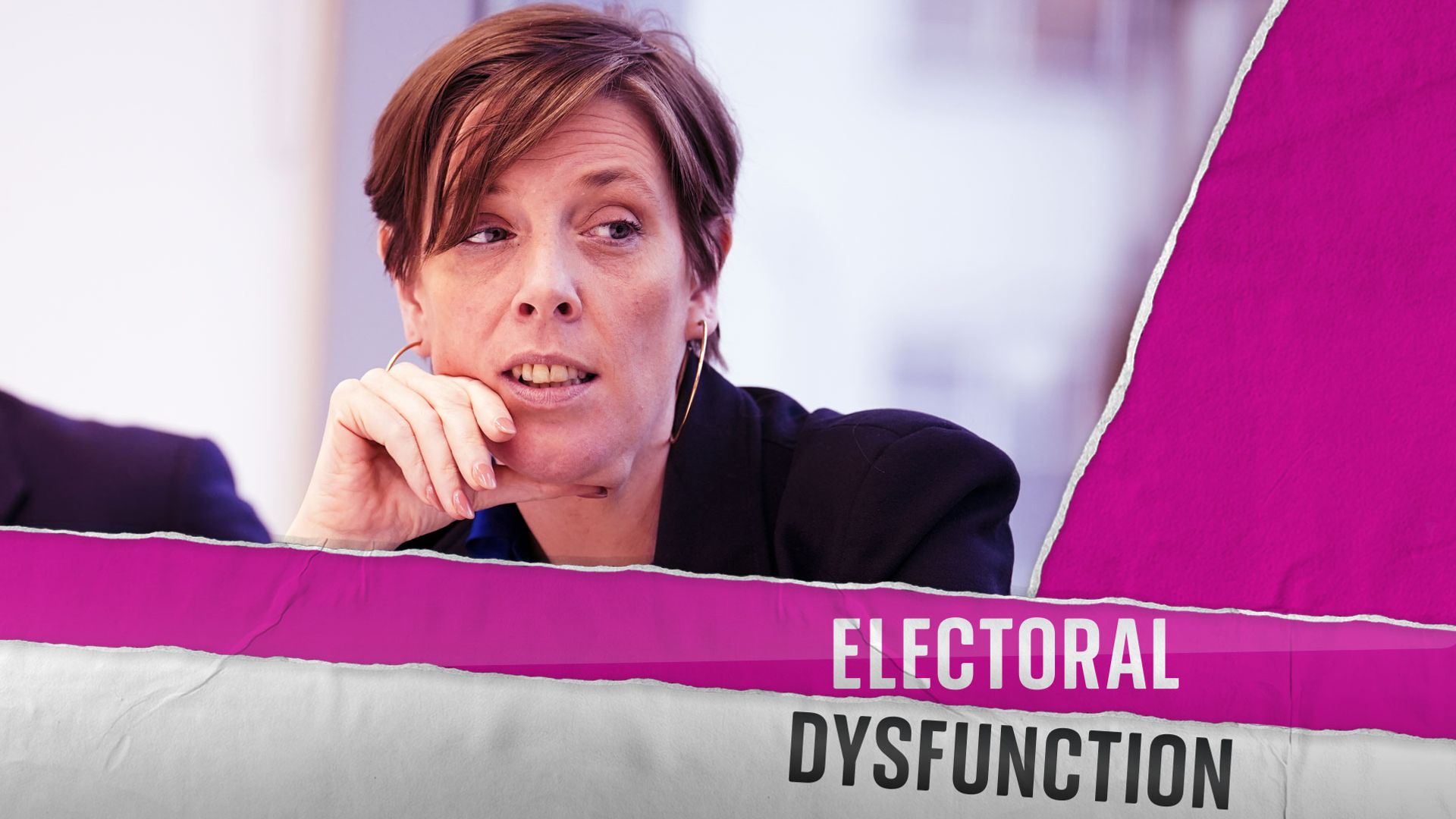
Electoral Dysfunction Podcast Clip on Prisoner Release Risk
This short clip provides a direct look at the discussion surrounding why public safety policies must prioritize objective danger levels over emotional reactions.