Diplomatic ice doesn't melt on its own. It takes a deliberate push from regional heavyweights to change the calculus in a fractured state.
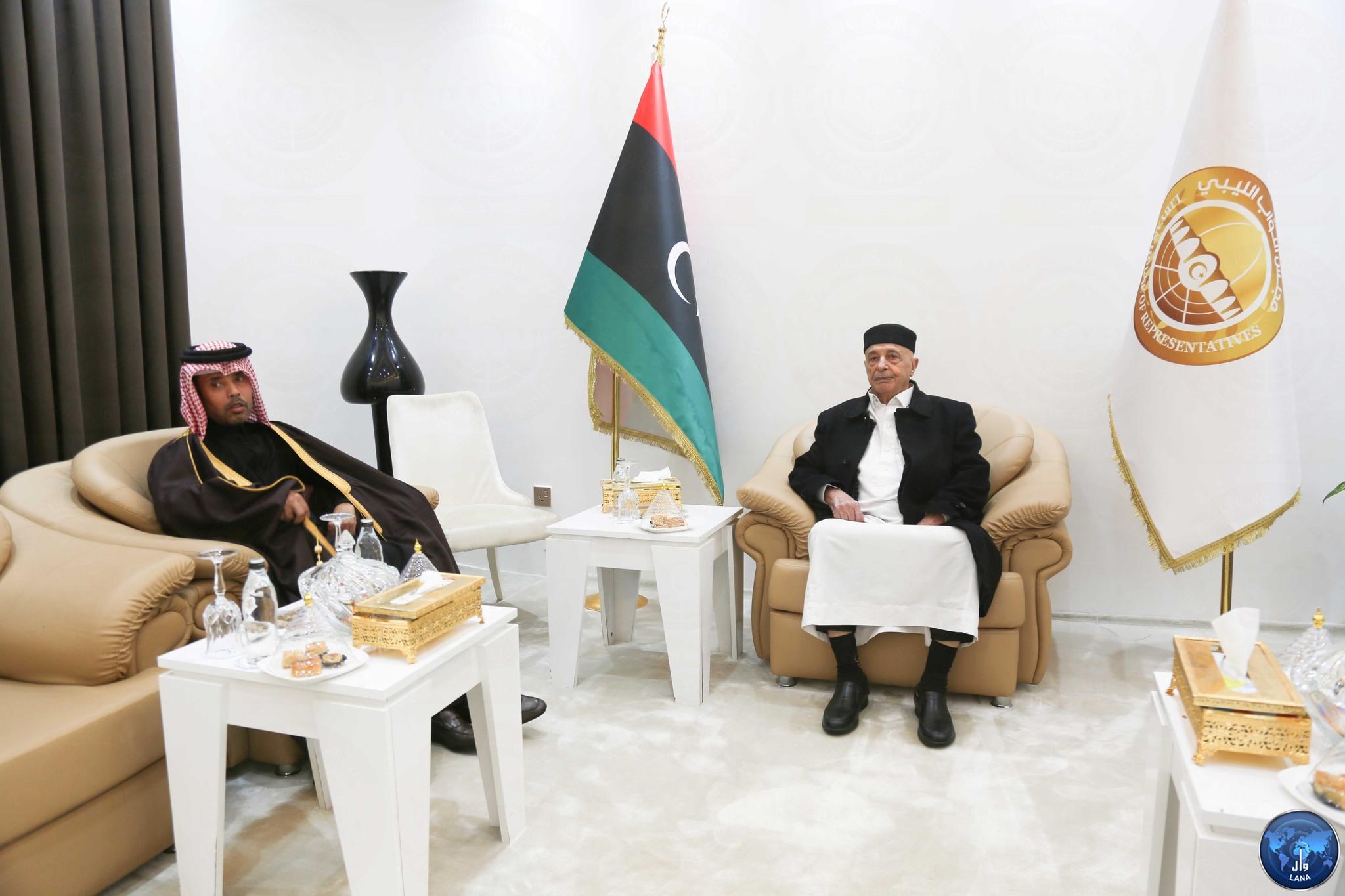
Qatar's recent diplomatic outreach to eastern Libya marks a massive shift. For fourteen years, official channels between Doha and the country's eastern authorities remained effectively frozen. When Qatar's Minister of State at the Foreign Ministry, Mohammed bin Abdulaziz bin Saleh Al Khulaifi, stepped foot in eastern Libya, it wasn't just a routine diplomatic stop. It was a calculated move to bridge a decade-old chasm and push for a unified Libyan state.
If you've watched North African politics over the last decade, you know how deeply divided the country has been between rival authorities in the west and east. Regional powers are now realizing that a permanently fractured Libya creates security vacuums nobody wants.
The 14-Year Gap in Context
Why does this specific trip matter so much right now?
For over a decade, relations were strained due to divergent alliances forged during the 2011 uprising and the subsequent civil conflicts. Qatar backed anti-Gaddafi forces and maintained close diplomatic alignment with the Tripoli-based administrations, while eastern authorities viewed Doha through an intensely skeptical lens.
Breaking that fourteen-year freeze requires serious political capital. Al Khulaifi's itinerary didn't stop in the capital; meetings in Tripoli with Prime Minister Abdul Hamid Dbeibah and the High Council's leadership were balanced with direct engagement extending to the east. Regional mediation needs face-to-face diplomacy with every major player, not just the government you find convenient to talk to.
Security Realities Drive the Shift
Diplomacy rarely happens out of pure goodwill. It usually happens because shared threats leave leaders with no other choice.
During these high-level discussions, the conversation heavily featured regional security concerns, including a four-way cooperation framework involving Libya, Qatar, Türkiye, and Italy. The core mission of this coalition? Managing irregular migration and clamping down on Mediterranean smuggling networks that exploit Libya's divided governance.
When borders are contested and state authority is split between rival administrations, transnational criminal networks thrive. Qatar understands that economic stability and security across the Mediterranean basin require a functional, unified Libyan apparatus that can police its own territory.
What a Unified Libya Actually Means
Everyone talks about national reconciliation as a nice talking point for international summits. On the ground, it's messy, complicated, and full of friction.
A unified Libya means merging parallel bureaucratic systems, reconciling military command structures, and agreeing on how hydrocarbon revenues are distributed. Right now, external actors like Qatar, Egypt, and Türkiye are trying to align their diplomatic messaging to prevent spoilers from torpedoing the fragile UN-backed political process.
Doha's renewed engagement signals a strategic bet: that quiet, direct mediation with eastern leaders yields better results than isolation. By keeping lines open with all factions, Qatar positions itself as a credible broker capable of talking to Tripoli and Benghazi alike.
The road ahead is long. Fourteen years of distrust don't vanish after a single high-level delegation lands in the east. But the wall of silence has officially crumbled, and that changes the game for regional diplomacy moving forward.
Qatar pushes for united Libya with visit to country's east
This video provides a concise overview of Qatar's historic diplomatic outreach to eastern Libya and the broader regional push to end years of political division.
http://googleusercontent.com/youtube_content/1