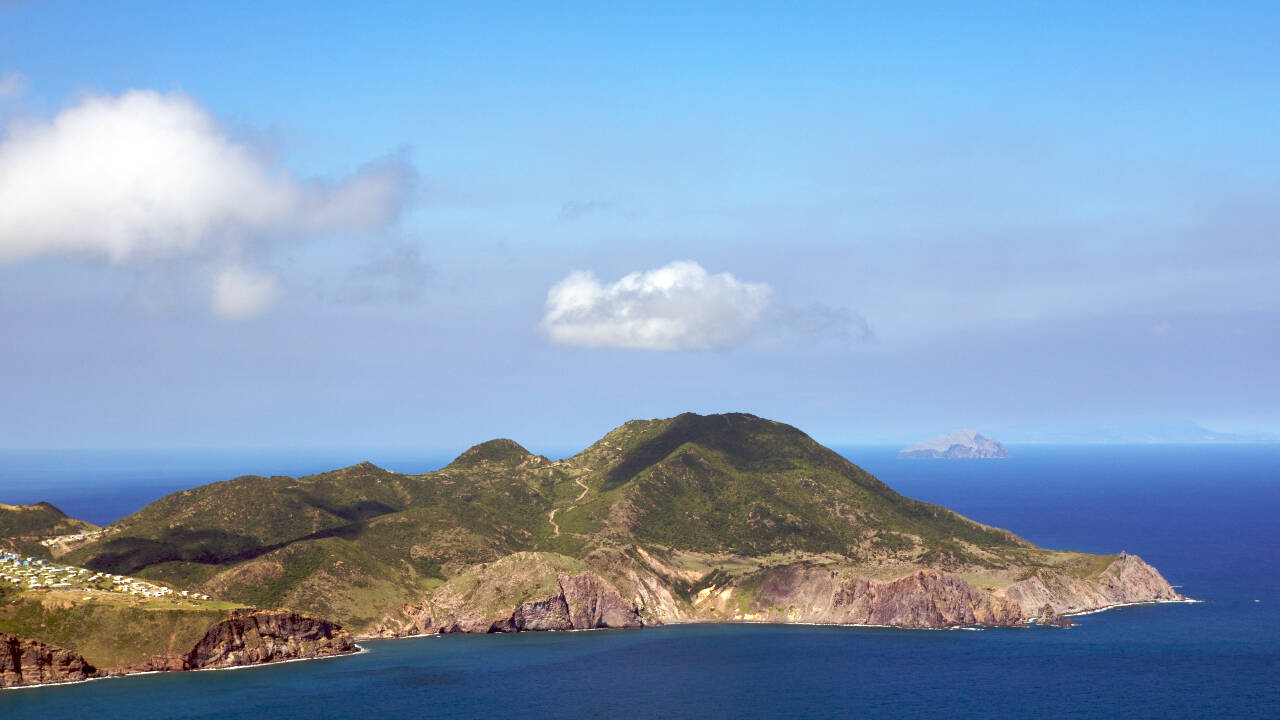
For decades, Redonda looked like a chunk of Mars dropped into the Caribbean Sea. This steep, volcanic rock poking out of the water was practically dust. Goats had stripped every leaf, and rats had chewed through anything left breathing. Then the government of Antigua and Barbuda teamed up with conservation groups, kicked the invasive species off the island, and watched a scorched rock turn into an ecological miracle.
If you think environmental recovery always takes centuries, Redonda will change your mind.
How Redonda Became a Wasteland
History wasn't kind to this tiny island. Back when guano and phosphate mining peaked in the nineteenth and early twentieth centuries, workers brought in goats for meat and left behind black rats. When the miners packed up and abandoned the place, the animals stayed.
Without natural predators, thousands of rats and dozens of starving goats multiplied. They treated Redonda like an all-you-can-eat buffet.
- Goats ate every single sapling, grass blade, and shrub down to the dirt.
- Rats hunted down native insects, reptiles, and seabird eggs.
- Stripped of roots, the topsoil eroded and slid straight into the ocean.
The runoff choked nearby coral reefs. The whole ecosystem was collapsing from the top down and the bottom up.
The 2017 Reset Button
Conservationists didn't mess around when they launched the Redonda Restoration Programme. In 2016 and 2017, teams worked to clear out the invaders. They humanely removed the remaining starving goats—transporting the healthier ones back to Antigua—and deployed targeted bait to eradicate thousands of black rats.
Getting rid of invasive species sounds simple on paper, but doing it on a crumbly, vertical volcanic cone is terrifying work. Teams scaled sheer cliffs with heavy gear. They had to make sure not a single rat survived to restart the cycle.
The payoff was immediate.
Vegetation Explodes and Wildlife Returns
You don't usually see ecological numbers jump this fast. By 2023, just a few years after the eradication finished, plant biomass on Redonda shot up by more than 2,000 percent. Seeds buried in the dust for generations finally sprouted because nothing was eating them anymore.
Trees took root. Soil stopped sliding into the sea. With the habitat back, the animals came roaring back.
The most famous survivor of this ordeal is the Redonda ground dragon, a critically endangered endemic lizard (Ameiva atrata) found nowhere else on earth. Before the cleanup, they were struggling to hold on. By 2023, their population multiplied roughly 13-fold.
Birds noticed the change, too. Fifteen species of land birds returned to nest, and seabird colonies found safe ground again now that rats weren't eating their chicks. To lock in these gains, Antigua and Barbuda officially established the Redonda Ecosystem Reserve, protecting nearly 30,000 hectares of land, seagrass meadows, and coral reefs.
What Island Restorations Teach Us
Most conservation news reads like an endless obituary for our planet. Redonda proves that active, aggressive intervention works. You don't just wait for nature to heal itself when the damage is human-caused; you remove the artificial bottlenecks and let biology do the heavy lifting.
Biosecurity remains tight today. Conservationists keep watch drones and traps active so rats never sneak back on a passing boat. Plans are even underway to reintroduce native species like burrowing owls and iguanas that used to call the rock home.
Stop assuming damaged ecosystems are gone for good. Sometimes they just need the bad actors cleared out of the way.