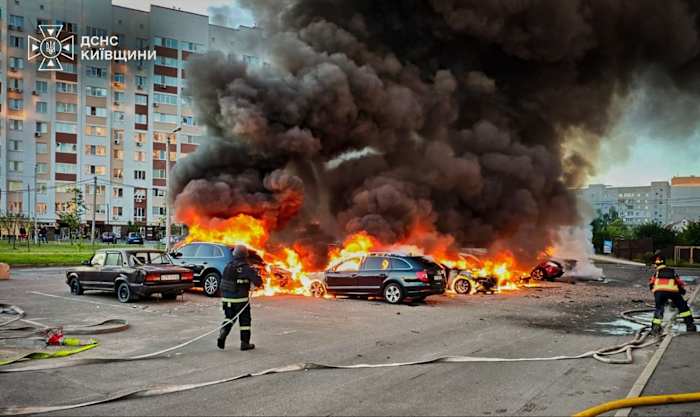
Air raid sirens wail through the night. Sleep is a luxury nobody in Ukraine's capital affords anymore. For the second consecutive day, Russian drones battered the Kyiv region, slamming directly into civilian apartments and industrial warehouses. The sky lit up with explosions. Shrapnel rained down on residential streets. This isn't a distant front line anymore. It's happening where families sleep, where workers stock shelves, and where ordinary life tries desperately to persist under siege.
When you look at the strategy behind these persistent aerial strikes, a brutal pattern emerges. Moscow isn't just targeting military installations. They are systematically wearing down civilian infrastructure, trying to break the psychological endurance of a population that refuses to submit. You need to understand what living through these waves of Russian drones actually means on the ground.
The Reality of Nighttime Air Raids in Kyiv
Sirens start. Phones buzz with emergency alerts. People grab go-bags and head down to concrete basements, subway stations, or windowless hallways. This routine has repeated for years, but the scale and frequency of recent drone waves show a shift in tactics.
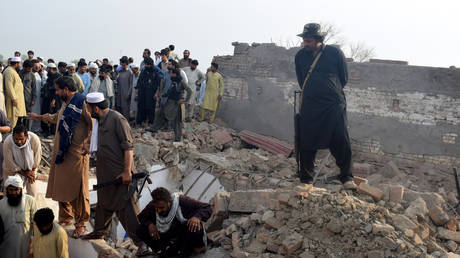
Instead of sporadic missile salvos that allow brief windows of recovery, continuous waves of loitering munitions keep entire regions paralyzed. Warehouses burn for hours. Apartment buildings lose entire facades, exposing living rooms and kitchens to the open air. The smell of smoke lingers for days.
Let's talk about the human cost. It's easy to read dry casualty statistics on a news screen and move on with your morning coffee. But behind every damaged high-rise in the Kyiv region is a family whose lives were upended in a single, deafening second. People lose homes they spent decades paying for. They lose pets, keepsakes, and safety.
Why Warehouses and Residential Blocks Are Targets
People often ask why industrial storage sites and apartment complexes take the brunt of these hits. The answer points to a dual-purpose strategy. Warehouses hold vital supply chains, civilian goods, and humanitarian aid. Disrupting them creates immediate logistical nightmares for local authorities trying to keep grocery stores stocked and utilities running.
Residential areas, meanwhile, serve a darker purpose for the attackers. Striking apartment blocks spreads terror. It sends a message that no zone is safe. When air defense systems intercept incoming drones, falling debris frequently triggers fires and structural collapses below. The danger comes from both the direct hits and the defensive countermeasures operating overhead.
How Air Defense Systems Cope Under Pressure
Ukraine's air defense units perform miracles daily. Mobile groups armed with heavy machine guns, electronic warfare jammers, and surface-to-air missiles track low-flying threats across pitch-black fields. Yet, no shield is impenetrable. When dozens of cheap, mass-produced drones swarm a target area from multiple directions simultaneously, interception becomes a brutal numbers game.
Missiles cost millions. Drones can cost a fraction of that. This economic asymmetry forces defenders to make agonizing choices about which incoming threats to engage and which trajectories pose the greatest immediate danger to human life.
What This Means for the Future of the Conflict
The ongoing assault on the Kyiv region signals a long, grinding war of attrition. Neither side is backing down. Ukraine continues to fortify its defenses and develop domestic interceptor tech, while external suppliers keep feeding hardware into the conflict.
If you want to grasp where this is heading, stop looking for a quick diplomatic fix. Watch the supply chains of electronic components, the manufacturing output of drone factories, and the psychological resilience of urban populations under fire. Kyiv is holding the line, but the price paid by ordinary residents grows heavier with every passing night of sirens and burning warehouses. Stay informed, support credible humanitarian efforts on the ground, and refuse to look away from what is happening in Europe's skies.