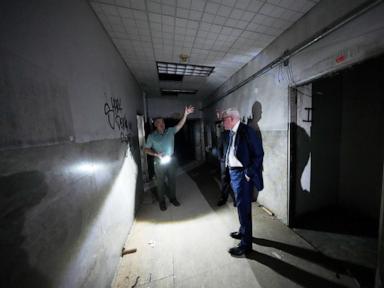
Ghost buildings haunt New Orleans. If you walked past the sprawling, art deco giant on Tulane Avenue over the last twenty years, you felt it. That heavy emptiness wasn't just architectural. It was the lingering shadow of a disaster that changed the American South forever.
When Hurricane Katrina broke the city's levees in 2005, Charity Hospital didn't just flood. It bled. Doctors and nurses held the line in pitch-black corridors with dying generators, working by flashlight and manual ventilators. They kept patients alive against impossible odds. Then, the state shut it down, locking the doors on a million square feet of medical history.
Now? The narrative is shifting. Tulane University is stepping up with a massive $500 million redevelopment project to turn the old icon into a state-of-the-art biomedical research hub. Construction is slated to begin this fall, aiming for a 2029 completion.
Breaking the Cycle of Blight
For decades, the debate over Charity Hospital paralyzed local progress. Louisiana State University argued the flood damage was too extensive to salvage, leaving the structure empty while healthcare operations moved elsewhere. Community members and former staff fought back, insisting the building was structurally sound and culturally irreplaceable.
That stalemate left a gaping wound in downtown New Orleans. Other storm-scarred facilities suffered similar fates or outright destruction, like the recent demolition of the long-vacant Lindy Boggs Medical Center to make room for a stormwater retention pond. But letting Charity rot wasn't an option anyone could stomach forever.
Tulane's plan breathes actual life back into the million-square-foot structure. Instead of a crumbling monument to a tragedy, the revived space will house laboratories for hundreds of researchers, classrooms, and incubator areas for biomedical startups. It's designed to be the largest initiative in Tulane's long history.
What This Means for Local Healthcare
Charity Hospital was never just a building. It was the ultimate safety net. For generations, anyone who walked through those doors got treated, insurance or no insurance. That ethos defined New Orleans health equity.
When the facility closed, the neighborhood surrounding it hollowed out. Foot traffic vanished. Local businesses lost their core clientele. Reviving the site acts as an economic anchor for the medical district, connecting the downtown core back to the community's immediate needs.
The strategy focuses heavily on adaptive reuse. Architects aren't tearing down the 1930s landmark; they're modernizing its core and shell while keeping its historic exterior intact. By weaving public spaces, workforce development, and cutting-edge science together, the project honors the past without staying trapped in it.
The Road Ahead to 2029
Transforming a massive, flood-damaged tower into a modern innovation hub isn't simple. Supply chains, budget constraints, and structural updates present real hurdles. Yet, local leadership remains fiercely optimistic. Mayor Helena Moreno has championed the move as a vital step in wiping away decades of urban decay.
You can't erase August 2005. The stories of heroism, the failures of the levee system, and the lives lost remain etched into the city's memory. But turning an abandoned shell into a powerhouse of medical discovery proves that New Orleans isn't just surviving its history. It's rewriting it.
Check out New Orleans hospital ruined after Hurricane Katrina is finally being torn down 20 years later to see how demolition crews and local residents are handling the bittersweet removal of other blighted medical landmarks in the city.
http://googleusercontent.com/youtube_content/1