The Breaking Point in Pakistan's Northwest
Let's cut straight to the chase. Northwestern Pakistan is burning, and administrative denials aren't putting out the fire. When militants targeted a police post in the Hangu district of Khyber Pakhtunkhwa, they didn't just stage a random ambush; they exposed the raw, bleeding vulnerabilities of frontline security posts sitting right near the Afghan border.
You won't hear about the true operational chaos from official press notes. Night falls, heavy weapons roar, and local police officers find themselves vastly outgunned by insurgents who treat remote outposts like target practice.
Anatomy of a Border Zone Ambush
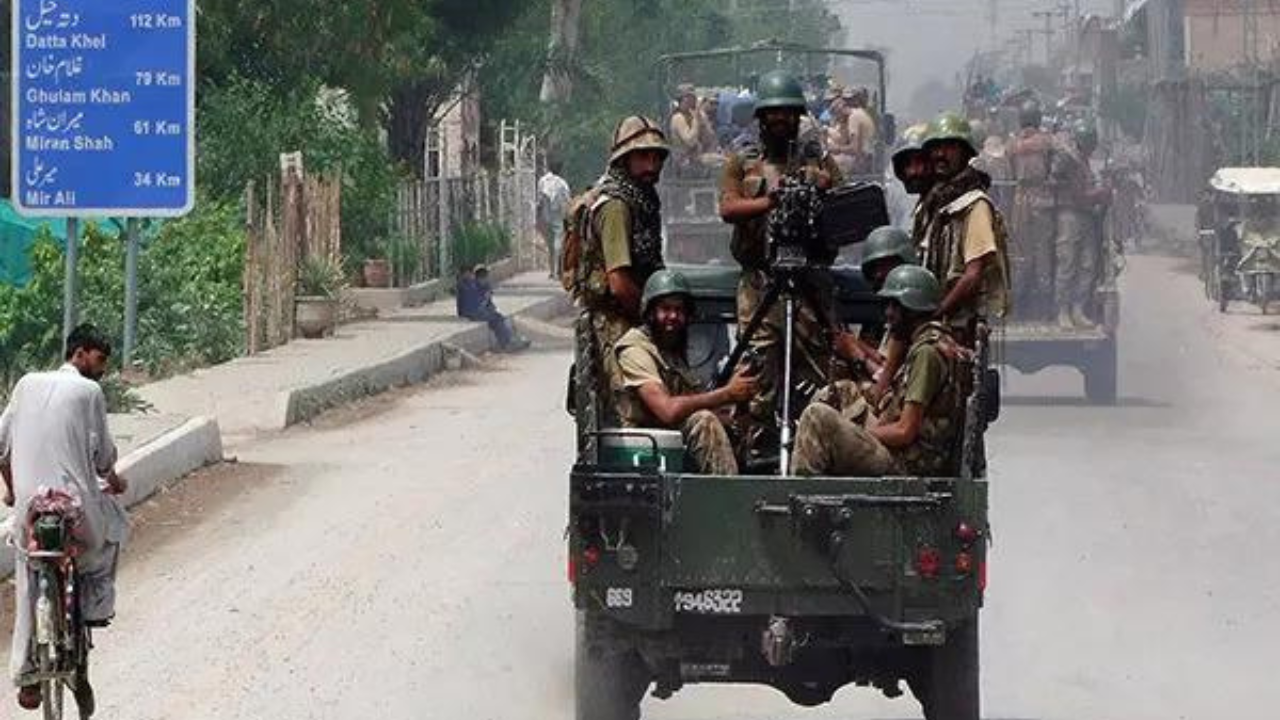
Operating in Khyber Pakhtunkhwa requires a stark realization. The terrain favors the attacker. When the Khazina post in Hangu took heavy fire, the violence didn't stop at the perimeter walls.
- The Initial Assault: Insurgents moved in under cover of darkness, utilizing high-caliber weaponry to overwhelm the initial line of defense.
- The Reinforcement Trap: Reinforcements dispatched to break the siege were systematically ambushed en route, showing a high level of tactical planning.
- The Cost: Senior officers leading the charge, including local leadership figures, paid with their lives while trying to bail out isolated stations.
Statistics from recent quarterly assessments tell a grim story. Provinces like Khyber Pakhtunkhwa and neighboring Balochistan account for the vast majority of all violence-linked fatalities in the country. Yet, standard responses from state authorities lean heavily on retaliatory body counts rather than fixing structural intelligence failures.
The Cross-Border Finger-Pointing Game
Islamabad points a rigid finger at Kabul. The narrative is simple: the Tehrik-e-Taliban Pakistan (TTP) uses safe havens across the border to plan, launch, and retreat from these exact operations. Kabul denies it completely.
Meanwhile, troops and police officers absorb the blow on the ground.
If you look closely at security data from recent months, the uptick isn't a surprise. It's a calculated escalation. The TTP and its various local affiliates are testing the state's resolve. When checkpoints are hit with vehicle-borne explosives or coordinated multi-pronged assaults, it signals that insurgents possess the logistics and intelligence to strike wherever they choose.
What Needs to Change Right Now
Fixing this mess takes more than rhetoric or temporary clearance operations that sweep through an area for forty-eight hours and then pull back.
- Logistical Upgrades: Frontline outposts need real-time surveillance tech, mine-resistant vehicles that actually function under rocket-propelled grenade fire, and secure communication lines.
- Intelligence Sharing: Local police forces are often kept out of the loop compared to federal military units. True coordination is non-negotiable.
- Border Management: Until physical and electronic border monitoring stops the cross-border flow of fighters and heavy arms, these overnight raids will remain a grim recurring reality.
Stop waiting for a diplomatic breakthrough that won't happen this year. The safety of the northwest depends entirely on immediate tactical adaptation.