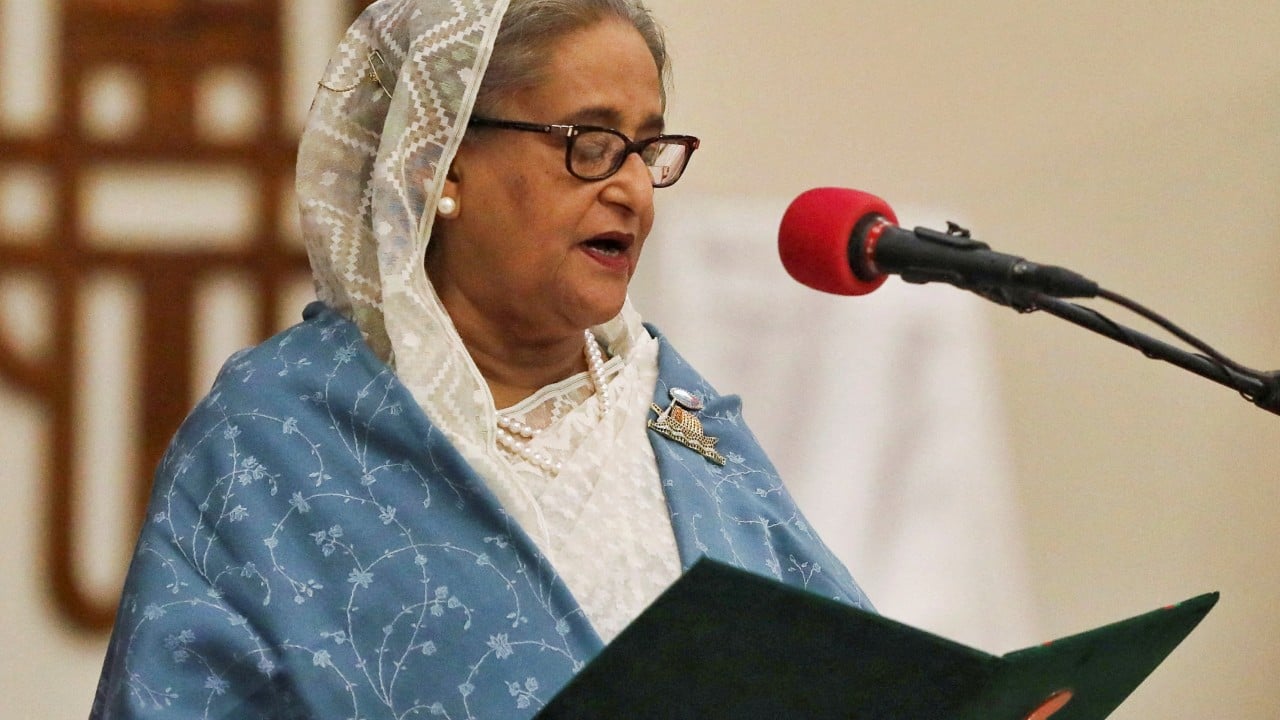
Exiled leaders rarely stay quiet for long, but Sheikh Hasina’s upcoming virtual address from New Delhi has triggered an immediate diplomatic panic in Dhaka. Bangladesh has officially asked India to clarify its stance, warning that letting a fugitive leader broadcast political messages from foreign soil could derail fragile bilateral ties.
The friction centers on a scheduled appearance by Hasina at the Foreign Correspondents' Club of South Asia (FCCSA) in New Delhi. Set for August 5—the exact two-year mark of the massive student-led uprising that forced her out of office—the event marks her first major public address since fleeing across the border in 2024.
Why Dhaka Is Drawing a Hard Line
Bangladesh's interim administration isn't hiding its frustration. State Minister for Foreign Affairs Shama Obaed Islam made it clear that allowing convicted individuals or political fugitives to broadcast speeches targeting domestic instability damages mutual trust.
Dhaka has spent months pushing for Hasina’s extradition. A domestic tribunal previously sentenced her in absentia to death for crimes against humanity linked to the bloody state crackdown on the 2024 protests, which UN estimates claim left up to 1,400 people dead. For the current government, any platform given to her in India feels like a direct security threat.
Prime Minister Tarique Rahman’s foreign affairs adviser, Humayun Kabir, pressed Indian High Commissioner Dinesh Trivedi on the matter during a closed-door meeting in Dhaka. The message was blunt: political rhetoric originating from New Delhi threatens to undo the positive diplomatic momentum built since the transition of power.
The Tightrope Walk for New Delhi
India finds itself stuck in a classic geopolitical bind. When Hasina fled to India on August 5, 2024, New Delhi granted her shelter on traditional humanitarian grounds. Yet, hosting a deposed leader while trying to normalize relations with a newly elected government in Dhaka requires immense diplomatic acrobatics.
Indian officials maintain that private entities like the FCCSA run independent events, meaning the government isn't officially organizing or sponsoring Hasina's video link appearance. Even so, Dhaka expects New Delhi to draw a firm line against political activities by exiles. If India clamps down, it risks looking like it caves to foreign pressure. If it lets her speak unhindered, it validates Dhaka's fears that Indian territory is being used as a staging ground for a political comeback.
What Happens Next
Despite facing an active death sentence and multiple pending criminal cases, Hasina has publicly insisted she plans to return to Bangladesh by December. Whether that claim is realistic posturing or an actual intent to surrender and face trial remains to be seen.
For now, security forces across Bangladesh remain on high alert. The anniversary of the uprising combined with a high-profile digital broadcast guarantees tense streets and even sharper diplomatic exchanges.