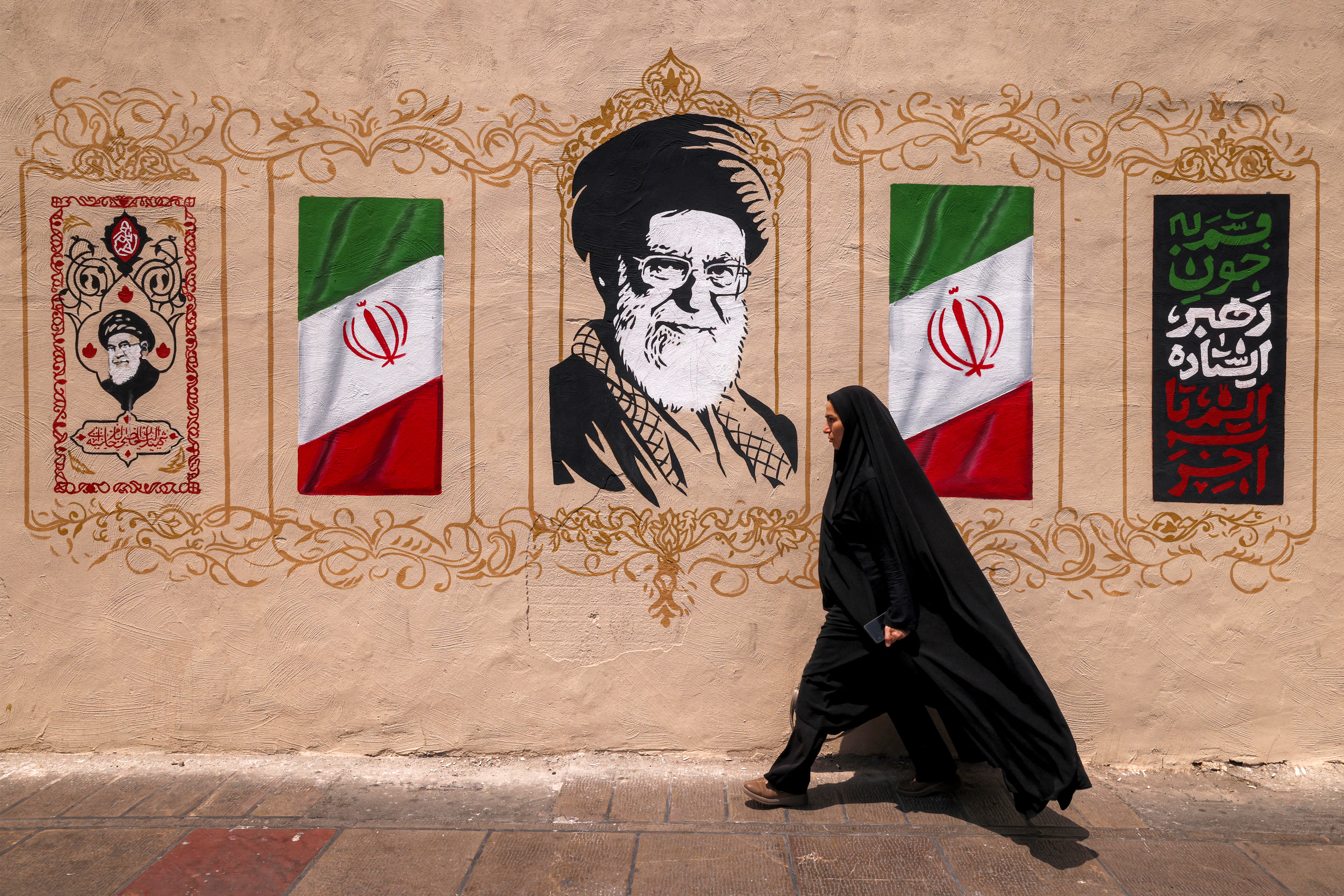
Six months after American and Israeli warplanes tore through Iranian airspace, the government in Tehran is still standing. It shouldn't shock anyone. Washington promised a short, sharp campaign that would clear the board and shatter the ruling apparatus. Instead, reality set in. The US-Iran conflict hit its half-year mark with no clear victor, billions in economic damage, and a regime that has tightened its fist rather than loosened it.
You're looking at a classic trap of modern statecraft. When outside powers try to decapitate a deeply entrenched authoritarian state through bombing runs alone, they usually miscalculate how the target will respond. Tehran dug in its heels. The leadership took a harder line, domestic repression soared, and the fundamental structure of the Islamic Republic weathered the storm.
The Miscalculation of Quick Victory
Back in late February, defense officials claimed the operation wouldn't drag on like past Middle Eastern interventions. The first wave of strikes eliminated dozens of top figures, including Supreme Leader Ayatollah Ali Khamenei. Washington assumed the house of cards would tumble.
It didn't.
Authoritarian states with massive security apparatuses don't collapse because you take out high-profile leaders. They adapt. A new leadership tier stepped up, internal security forces clamped down harder, and the state's survival instinct kicked into overdrive. According to United Nations reports, national security executions surged over the spring and summer, with at least dozens of individuals put to death on charges tied to protests and dissent. Street demonstrations alone never stood a chance against an elite willing to use maximum lethal force.
The Real Cost of a Stalled Strategy
The economic toll inside Iran is brutal, but it hasn't translated into regime collapse. The International Monetary Fund projects Iran's economy to contract by 5.4%, while inflation has rocketed past 80%. The rial's value cratered.
Yet, economic misery rarely unseats a dictatorship by itself. Sanctions and naval blockades squeeze everyday citizens, not the regime insiders who control the black markets and military assets. Treasury officials announced fresh economic pressure targeting Tehran's remaining global financial channels, leaning heavily on a blockade to stop oil exports.
It's a holding pattern. The U.S. military maintains a heavy regional footprint, but munitions stockpiles took a serious hit during those initial heavy bombing weeks. Meanwhile, Iran keeps enough missiles and drones online to threaten Gulf neighbors and block vital shipping lanes.
What Comes Next
We are stuck in an uncomfortable stalemate. Diplomatic talks stalled out after initial ceasefire arrangements failed to turn into a permanent peace framework. Iran wants the Strait of Hormuz closed to pressure international markets, and the U.S. wants to safeguard global energy transit without sliding back into all-out kinetic warfare.
If you want to understand where this is heading, stop looking for a cinematic ending where the bad guys simply vanish. History suggests that breaking a regime like this requires a fractured security state and a unified political opposition, neither of which exists right now. Until Washington and its allies figure out how to peel away the inner layers of Iran's military and security forces, the status quo will hold.