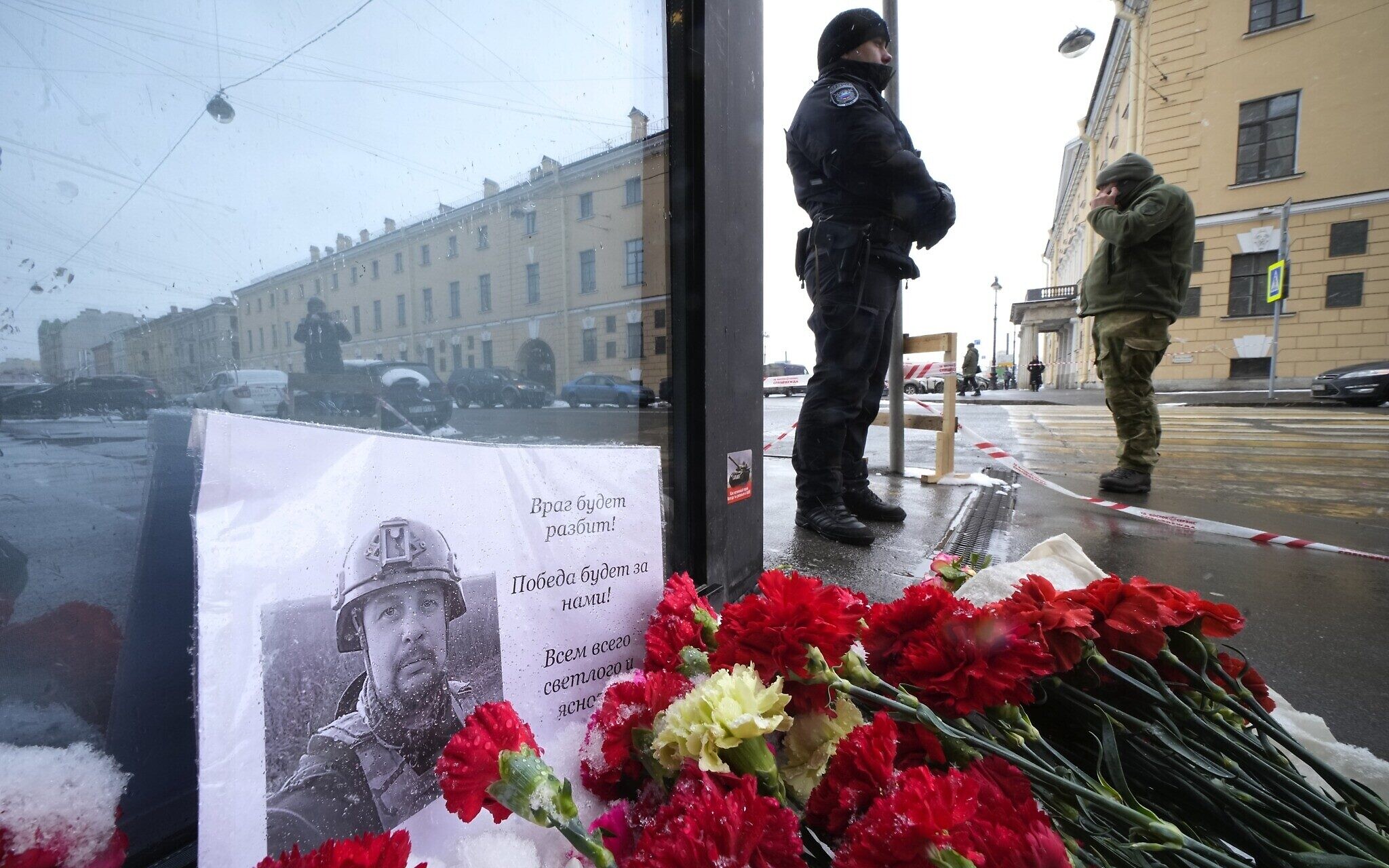
A quiet morning suburb in Russia's second-largest city turned into a crime scene when a vehicle detonated. A Russian military serviceman died instantly. His wife suffered serious injuries and was rushed to the hospital. Local media outlets, including Fontanka, quickly identified the victim as a 53-year-old lieutenant colonel serving within the nation's aerospace forces.
The blast happened around 10 a.m. in the Pushkinsky district on the outskirts of St. Petersburg. Witnesses reported a massive shockwave that wrecked the car entirely. Russia's Investigative Committee opened a criminal probe into the incident. While authorities initially described the event cautiously as a vehicle fire, forensic specialists on the ground immediately began evaluating the wreckage for signs of an improvised explosive device.
The Pattern Behind Urban Explosions
This is not an isolated incident. Over the past few years, targeted vehicle blasts have become a grim recurring theme far away from the frontline trenches. High-ranking officers, defense contractors, and pro-war commentators have repeatedly found themselves in the crosshairs of covert operations deep inside Russian territory.
Moscow has consistently pointed fingers at Kyiv, accusing Ukrainian intelligence agencies of orchestrating targeted assassinations on Russian soil. While Ukrainian officials often remain silent or deny involvement in specific attacks, the strategic implications are glaring. Bringing the war home to major metropolitan centers like St. Petersburg and Moscow creates deep psychological pressure on the military command structure.
Security experts note that protecting high-value military assets outside active combat zones is exceptionally difficult. Officers driving standard vehicles through civilian neighborhoods make easy targets for operatives capable of planting tracking devices or remote-triggered explosives.
Investigating the Pushkinsky District Attack
Details surrounding the St. Petersburg explosion continue to emerge through official statements and independent reporting. According to regional reports, the car exploded shortly after the engine started near a local supermarket in the Shushary neighborhood.
The Investigative Committee deployed a large team of forensic experts to comb through the debris. Investigators are reviewing traffic cameras, interviewing local witnesses, and tracing the movements of the vehicle in the days leading up to the blast. The severe injuries sustained by the officer's wife mean she has not yet been able to provide a full testimony to investigators.
Security services are now scrambling to tighten protocols for military personnel operating outside active war zones. Yet, stopping determined saboteurs in a sprawling urban environment remains a massive challenge for domestic intelligence.
The investigation is ongoing, and security measures across St. Petersburg have been ramped up as authorities search for any accomplices linked to the blast.
Deadly St. Petersburg Blast: Who Was The Russian Officer Killed?
This video provides an overview of the St. Petersburg car explosion and examines the identity of the Russian officer targeted in the attack.
http://googleusercontent.com/youtube_content/1