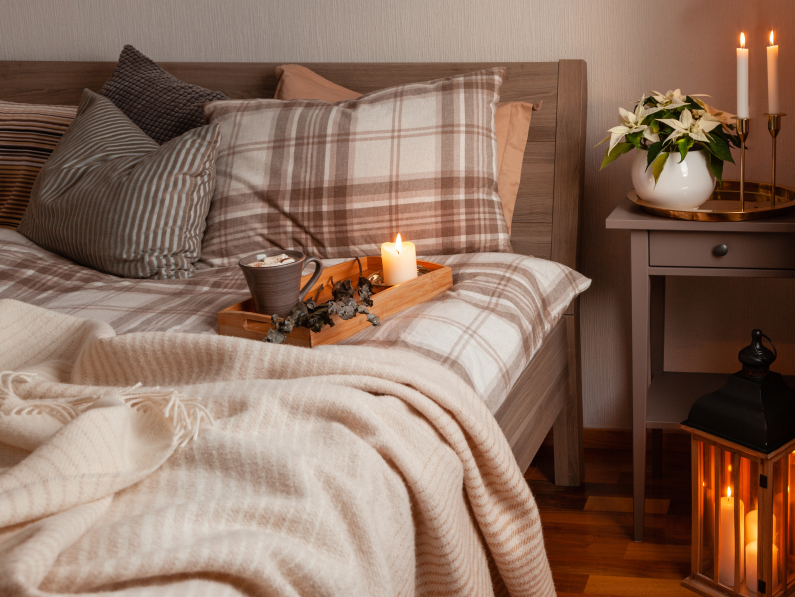
The temperature drops by five degrees, and suddenly everyone acts like their summer sheets are hazardous to their health. You don't need a complete psychological overhaul of your bedroom just because September rolled around. You just need to figure out which fabric stops you from waking up shivering or sweating through your pajamas.
Choosing the right fall bedsheets comes down to managing the awkward middle ground of autumn weather. Your bedroom is freezing at midnight, stuffy by three in the morning, and drafty again before dawn. Cotton, linen, and flannel handle these temperature shifts in completely different ways. Let's break down what actually works so you stop wasting money on bedding that feels amazing in the store and terrible in practice. Don't miss our previous coverage on this related article.
Cotton: The Reliable Workhorse
Cotton is the default for a reason. It handles the transition seasons better than almost anything else, provided you pick the right weave. Most people buy cotton without checking how it's constructed, which is why they end up freezing in October.
Percale is your friend if you sleep hot. It uses a one-under, one-over grid weave that feels crisp, light, and cool against your skin. Silk & Snow makes a solid percale set that gives you that hotel-sheet breathability without trapping heat. If you run cold, avoid percale entirely. If you want more about the context of this, The Spruce offers an in-depth breakdown.
Sateen is the opposite cousin. It uses a different yarn structure that floats more threads on the surface, creating a heavier drape and a slightly warmer, silkier touch. Brands like Quince and various GOTS-certified organic cotton lines offer sateen options that feel substantial enough for cooler nights without turning your bed into a sweatbox.
Linen: Not Just for Summer Anymore
People treat linen like it belongs exclusively in a July beach house. That is a massive mistake. European flax linen is actually an incredible insulator. The hollow fibers trap air to keep you warm when it's chilly, yet they breathe well enough to dump excess body heat when your radiator kicks on too high.
Linen gets a bad reputation because it feels crisp or stiff out of the package. Give it three washes. It softens into a buttery texture that drapes tightly around your body. If you are a restless sleeper who kicks off blankets only to pull them back on ten minutes later, linen is your best bet for autumn. It manages erratic micro-climates better than tight-weave cotton.
Flannel: The Nuclear Option for Cold Rooms
Let's be honest about flannel. If you live in an old house with leaky windows or you refuse to turn on the heat until November, flannel saves lives. It's basically cotton that has been mechanically brushed on the surface to pull up fine fibers. This fuzz creates a microscopic blanket of trapped air that holds your body heat immediately.
Eddie Bauer and similar heritage brands make classic brushed cotton flannel sets that feel like sleeping inside a heavy sweatshirt.
The downside? If you sleep warm, flannel is a disaster. You will wake up drenched at 2:00 AM. Only buy flannel if your bedroom regularly drops below sixty degrees at night or you crawl into bed wishing for an electric blanket.
How to Choose Your Setup Today
Stop buying entire coordinated suites if you don't know what you like. Swap your top sheet first before replacing fitted sheets and pillowcases. If your room stays mild, grab an organic cotton percale set. If you want that textured, cozy weight that handles erratic autumn air, invest in European flax linen. If you turn into an ice cube the second autumn hits, pull out the brushed flannel and don't look back.