Clearing naval mines from a shipping lane sounds like a definitive fix. You sweep the waters, declare the route safe, and watch the cargo ships roll back in. Reality is rarely that clean. When it comes to the Strait of Hormuz, declaring the choke point open because surface sweeps are done ignores how modern naval warfare actually operates.
If you think a basic clearance operation makes the world’s most vital oil transit corridor safe overnight, you are missing the bigger picture. The risk profile here isn't just about floating hardware left over from past skirmishes. It is about geography, asymmetric capabilities, and psychological pressure.
The Geography Trap That No Mine Sweeper Can Fix
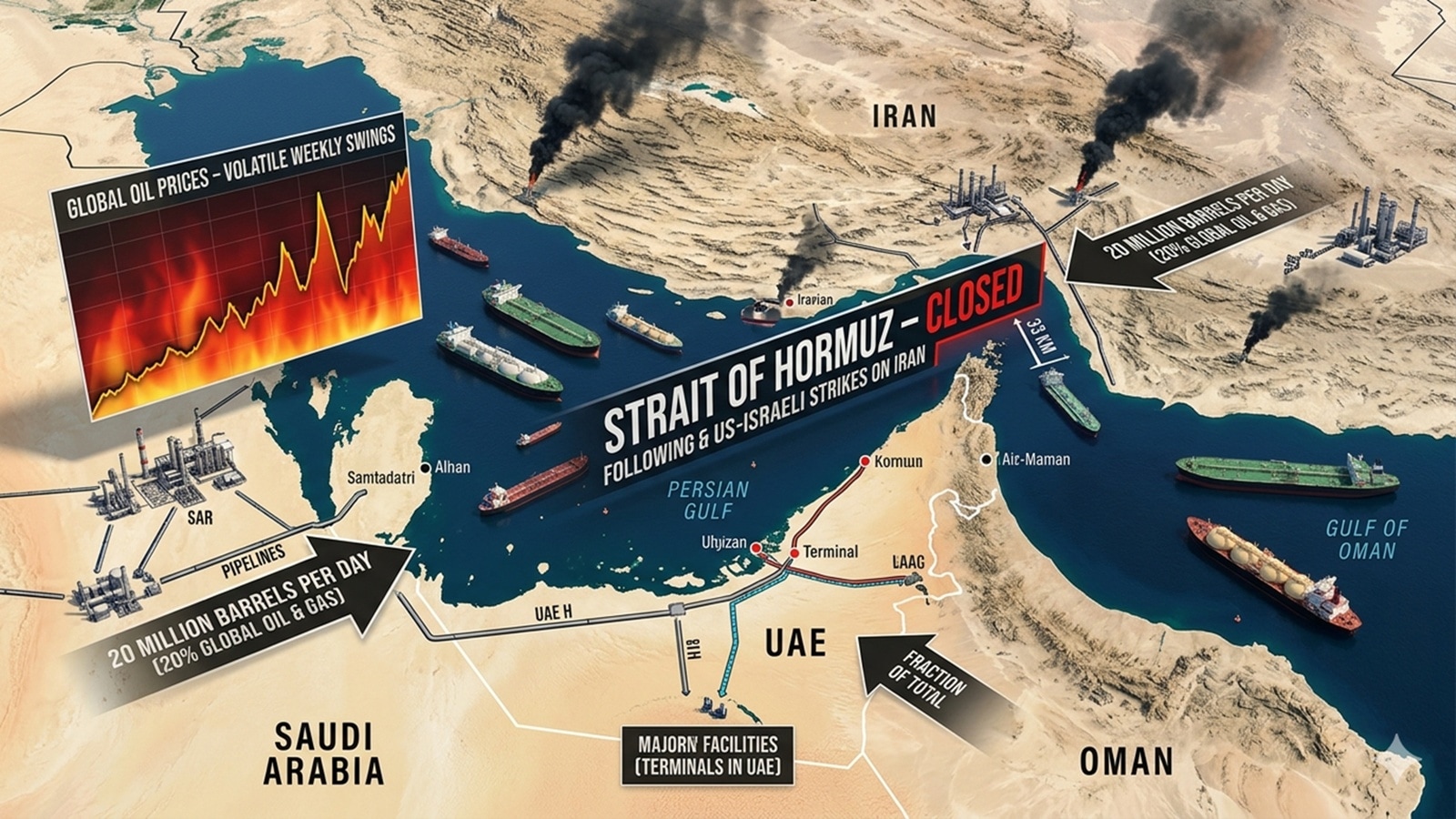
The Strait of Hormuz is narrow. At its tightest point, the shipping lanes are only about two miles wide for inbound and outbound traffic, separated by a narrow buffer zone.
That tight squeeze gives vessels almost zero room to maneuver. When you cram millions of barrels of crude oil and massive container ships through a tiny bottleneck, you create a target-rich environment.
- Limited Sea Room: Large tankers need stability and space. Emergency turns are practically impossible.
- Proximity to Hostile Shores: The shipping channel runs dangerously close to territorial waters controlled by actors with a history of maritime harassment.
- Radar and Tracking: Every single vessel is completely visible from shore-based observation posts. Stealth is a myth in Hormuz.
Sweeping mines clears a path on the seabed, but it doesn't widen the ocean. It doesn't push the coastline back by a single inch. The inherent geographical vulnerability remains permanent.
Beyond Sea Mines What Washington Misses
When official briefings focus heavily on mine countermeasures, they address a very specific and old-school threat. Naval mines are terrifying, sure. Yet, modern maritime insecurity in the Persian Gulf involves a lot more than explosives anchored to the ocean floor.
Asymmetric threats have evolved past simple contact weapons. We are talking about fast attack craft swarms, loitering munitions, shore-based anti-ship cruise missiles, and commercial GPS spoofing.
You can sweep every single mine out of the water, and a cargo vessel can still find itself immobilized by electronic jamming or crippled by a drone attack launched from a moving truck on the coast.
Insurance companies know this. Marine underwriters look at total risk exposure, not just military press releases about cleared shipping lanes. War risk insurance premiums for the region spike whenever tensions flare, regardless of whether a mine-hunting vessel has completed its sweep. Shipowners aren't betting on political optimism; they are betting on bottom lines and crew safety.
The Psychological Weight on Crews and Captains
Try standing on the bridge of a massive oil tanker crawling through a two-mile-wide channel while knowing that regional tensions are boiling over. The operational stress on merchant mariners is immense.
Captains have to deal with anonymous radio challenges from unknown armed patrols, erratic radar contacts, and the constant hum of uncertainty. Even if naval escorts provide a security bubble, the mental load changes how companies staff and route their vessels.
Many operators choose longer routes or slower speeds to minimize exposure time, completely disrupting supply chains and driving up freight costs globally. A technical clearance claim from a government agency doesn't lower the heart rate of a captain navigating those waters at midnight.
Why Old Playbooks Fail Modern Shipping
Naval strategies designed decades ago assume predictable adversaries and clear rules of engagement. Today's theater in the Middle East operates under a different rulebook entirely.
State and non-state actors utilize gray-zone tactics—actions that stay just below the threshold of open war. These tactics are designed to inflict economic damage and sow panic without triggering a massive military retaliation.
- Deniable Harassment: Small boats buzzing commercial vessels without clear insignia.
- Cyber Interference: Disrupting navigational aids to force ships off course into shallow waters.
- Rapid Deployment: Dropping new hazards into the water faster than mine-hunting groups can pull them out.
Clearing operations are a snapshot in time. The moment a sweep finishes, the environment can change again.
Protecting global energy flows requires more than a temporary sanitation of the seabed. It demands continuous surveillance, hardened vessel protocols, and a realistic understanding that the Strait of Hormuz will remain a high-anxiety transit zone as long as geopolitical fault lines stay active.
Review your route risk assessments, factor in dynamic insurance costs, and never mistake a cleared path for absolute safety.