History books love to talk about engineering marvels, but they often forget the human cost. When you look at the Suez Canal, you aren't just looking at a ditch connecting the Mediterranean to the Red Sea. You're looking at a physical monument to colonial overreach, forced labor, and the brutal extraction of wealth. Yet, the story didn't end with foreign control. Egypt turned that exact chain of oppression into the ultimate tool for national sovereignty.
If you want to understand why this maritime artery still dictates geopolitical tensions today, you have to look past the corporate spreadsheets of the nineteenth century. You have to look at Ismaïlia, Port-Saïd, and Suez. These cities carry a musical and cultural heartbeat, born from the simsimiyya—a traditional string instrument played during late-night weddings and street gatherings—that tells a story of resistance. Workers carved this passage with their bare hands and sweat under foreign whip handles, but their descendants built a national identity right on those same contested banks. Meanwhile, you can explore similar developments here: How The 1666 Great Fire Of London Created The Ultimate Housing Crunch.
The Trap of Imperial "Civilization"
The nineteenth-century narrative sold to the public was simple. European powers claimed they were bringing progress, commerce, and modernization to the East. Historian Caroline Piquet points out a harsh reality in her work Le Canal de Suez. Une voie maritime pour l’Egypte et le monde. The grand speeches about civilizing missions always concealed a much darker motive. They masked financial greed and territorial dominance, ultimately leading straight to British military occupation.
Think about how it started. Thousands of Egyptian peasants were conscripted through forced labor, known as the corvée, to dig the channel. They faced cholera outbreaks, starvation, and horrific working conditions. The profits flowed straight to European shareholders in Paris and London, while Egypt shouldered the debt. It was economic extraction dressed up as philanthropy. You don't build an empire by asking nicely. You build it by exploiting local populations until they break. To see the bigger picture, we recommend the recent article by The New York Times.
The Turning Point of 1952 and Nationalization
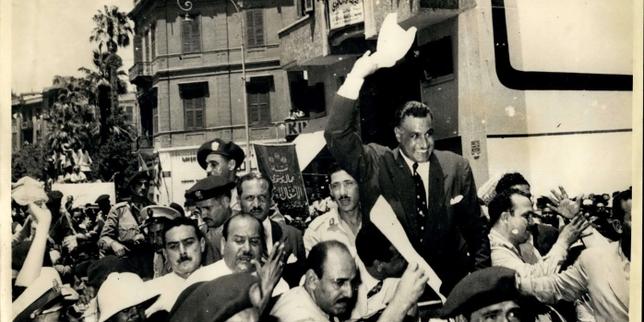
Monarchies backed by foreign embassies rarely last. The tipping point arrived on the streets of Ismaïlia in 1952. A popular revolt broke out against a regime that bowed entirely to London's whims, paving the way for the Republic and the rise of Gamal Abdel Nasser.
When Nasser nationalized the canal in 1956, it wasn't just a business decision. It was a massive middle finger to the old colonial masters. France, the UK, and Israel launched a military response, but the geopolitical landscape had shifted. Washington and Moscow intervened, forcing the European invaders to back down.
The old Universal Company of the Maritime Canal of Suez was gone. In its place rose the Suez Canal Authority. For the first time, Egyptians ran their own waterway. The symbol of foreign chains became the instrument of genuine emancipation. Toll revenues that once lined European pockets now funded national development projects.
Blood on the Banks and Modern Realities
Conquering the waterway was only half the battle. Defending it proved even harder. The 1967 Six-Day War brought disaster to Egypt. Israeli forces seized the eastern bank, fortifying it with the formidable Bar-Lev Line. The canal zone turned into an active combat zone. Cities like Suez and Ismaïlia emptied out as residents fled artillery fire.
During the fierce fighting of the subsequent conflicts, opposing troops found themselves positioned mere meters apart in the dense urban rubble. The water ceased to be a channel of commerce and turned into a military scar.
Yet, Egypt reopened the passage in 1975 under Anwar Sadat, clearing sunken ships and unexploded ordnance. Since then, the waterway has faced everything from accidental groundings blocking global supply chains to modern regional conflicts disrupting maritime traffic.
The lesson here is straightforward. Infrastructure is never neutral. It carries the weight of the hands that built it and the politics of the governments that control it. Egypt took a project designed to bleed the country dry and converted it into a vital anchor of national pride and economic survival.
Next time you read about a cargo ship stuck in the channel or a sudden spike in shipping costs, remember the roots. This isn't just a shortcut for container ships. It's a monument carved by forced labor, reclaimed by revolution, and defended through generations of conflict.