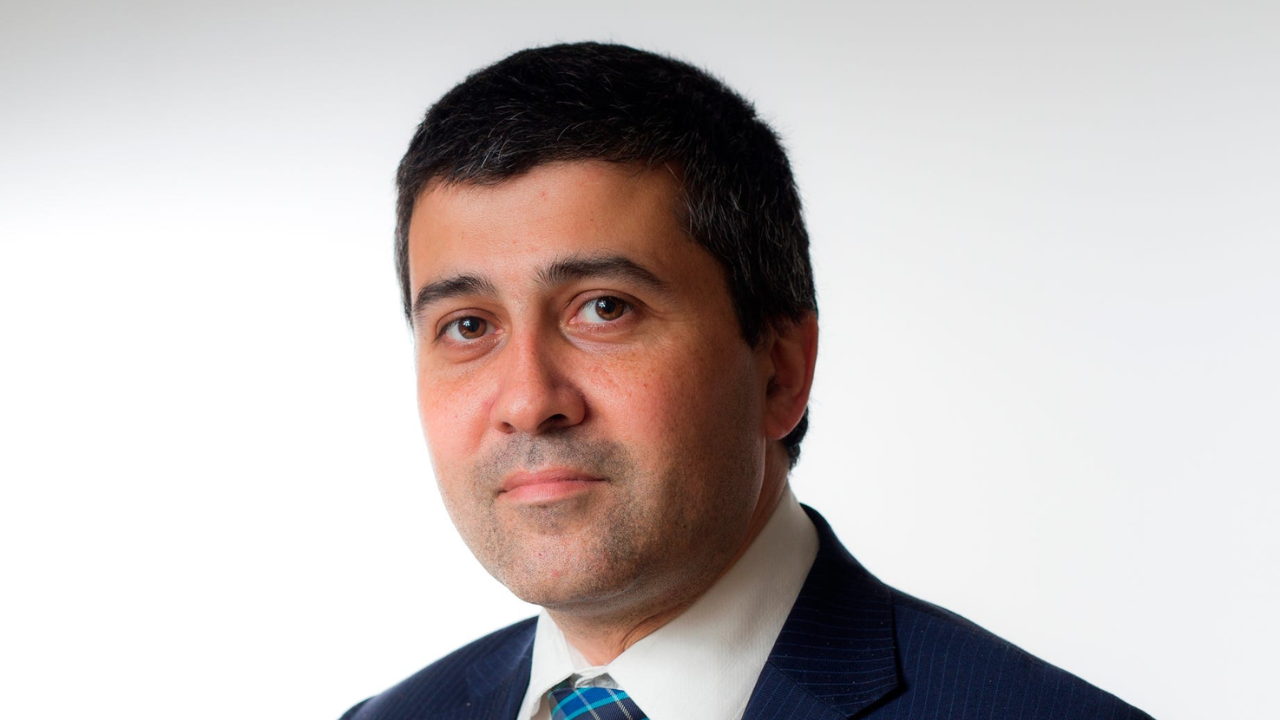
If you follow British politics or social policy, the name Sunder Katwala probably rings a bell. He is not your average pundit sitting on the sidelines shouting into the void. As the director of British Future, he has spent decades wading straight into the messy, often polarizing debates surrounding identity, immigration, and integration in the UK.
Now, he is stepping into a different kind of arena. Katwala has just secured a four-year appointment to the board of The National Lottery Community Fund, one of the most powerful grant-making bodies in the country. It is a massive move. Let us look at who he is, why this appointment matters, and what it signals for British community funding.
Who is Sunder Katwala?
Born into an immigrant family, Katwala has carved out a unique space in British media and policy. At 52 years old, his resume reads like a roadmap of modern British intellectual life. He spent years in publishing and journalism, working as a commissioning editor at Macmillan and writing for The Observer. He ran the Fabian Society, one of the UK’s oldest and most influential left-leaning think tanks, from 2003 to 2011.
Later, he founded British Future, an independent, non-partisan charity focused on finding common ground on touchy cultural topics. His core thesis has always been straightforward: people agree on more than they think, and toxic political polarization is a choice rather than an inevitability.
He is also an author, penning the book How to be a patriot: Why love of country can end our very British culture war. His recent footprint keeps expanding, too. He took on a commissioner role at the Equality and Human Rights Commission and joined the Independent Commission on Community and Cohesion.
Inside the National Lottery Community Fund Appointment
So, why does his appointment to the National Lottery Community Fund matter so much?
This is not a ceremonial badge. The fund is a massive financial engine for grassroots projects across the UK. We are talking about staggering sums of money. According to its recent annual performance reports, the organization distributes nearly a billion pounds annually through tens of thousands of individual grants. These grants keep local charities afloat, fund youth clubs, and back community outreach programs in neglected towns and cities.
Katwala’s term runs from August 2026 through August 2030. Alongside high-profile figures like board chair Dame Julia Cleverdon and fellow new appointee Michelle Mitchell OBE, Katwala will help steer the fund's strategy and performance.
Cabinet Office rules govern these public appointments, ensuring rigorous scrutiny. The Secretary of State for Culture, Media and Sport signs off on them. For Katwala, the role is a natural extension of his life’s work. Distributing millions of pounds to communities requires an intimate understanding of social cohesion. You need to know where resources are desperately needed and how funding can bridge divides rather than deepen them.
The Broader Impact on Integration Policy
Critics of modern think tanks often claim they live in a bubble, churning out white papers that nobody reads. Katwala has always tried to dodge that trap by engaging directly with everyday public attitudes. Through projects like the National Conversation on Immigration, his organization spent years listening to what ordinary British citizens actually cared about, cutting through the noise of partisan shouting matches.
Bringing that mindset to a major funding body changes the equation. When you distribute community grants, you are making implicit bets on what makes a neighborhood resilient. Do you fund projects that bring different ethnic groups together? Do you invest heavily in historical and cultural heritage projects that foster a shared sense of belonging? These are tough allocation choices.
Katwala brings a sharp, analytical eye to these dilemmas. His appointment suggests that the government wants strategic thinkers at the table who understand the social fabric of a changing Britain, rather than just administrative box-checkers.
Expect his influence to steer grant priorities toward initiatives that build trust at the local level. As towns across the UK grapple with economic shifts and cultural changes, the way public money is spent can either heal local friction or exacerbate it.
Keep an eye on how the fund shifts its focus over the next four years. If Katwala brings his playbook of pragmatic consensus-building to the nation's checkbook, grassroots organizations might see a refreshing shift in how resources land where they are needed most.