Spain just handed out a lifeline to over a million undocumented people, and Sweden is furious about it.
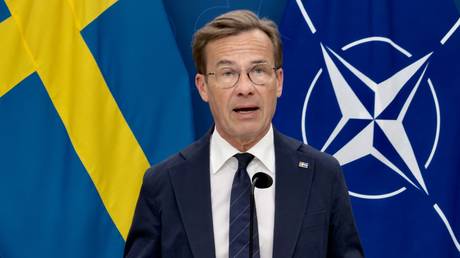
Swedish Prime Minister Ulf Kristersson didn't hold back his words. He called Madrid's massive regularization effort a "very bad idea", warning that unilateral border decisions could drag Europe right back into the chaotic humanitarian nightmare of 2015. You might also find this similar coverage insightful: Why The Fbi Briefly Cut Ties With Canada Over 9/11 Terminology.
If you thought European unity on immigration was holding steady, think again. This clash exposes deep, jagged cracks in how the continent handles borders, labor shortages, and national sovereignty.
The Anatomy of Spain's Massive Regularization
Let's look at the numbers. Spain's center-left government, led by Prime Minister Pedro Sánchez, initially thought around 500,000 undocumented individuals would apply for legal residency. They were wrong. By the time the application window closed, nearly 1.2 million people had flooded the system. As highlighted in latest coverage by TIME, the effects are widespread.
The government used a royal decree to bypass a grueling parliamentary vote, arguing that the move was purely pragmatic. Madrid faces an aging population, a severe labor shortage in agriculture and tourism, and a massive shadow economy. Sánchez defended the policy aggressively, stating that without immigrant labor, Spain's GDP could shrink significantly by 2050.
Successful applicants receive a renewable one-year work and residency permit. Sounds neat on paper. But it triggered an instant political earthquake across the rest of Europe.
Why Sweden Is Sounding the Alarm
Sweden's perspective comes from a place of hard-earned political survival. Stockholm spent years tightening its own borders, restricting asylum access, and driving asylum seeker numbers down to a 40-year low. Kristersson's administration built its platform on strict migration controls and lowering crime rates.
When one European nation throws open its doors to over a million people, it impacts everyone else. That is the core of Sweden's argument.
Because Spain sits inside the passport-free Schengen Area, legalizing over a million residents creates a backdoor. Once individuals secure legal status or residency rights in Spain, movement across European borders becomes vastly easier. Stockholm knows from bitter experience that migrants arriving in southern Europe often travel north.
Kristersson warned that individual states cannot afford to break ranks. Schengen relies entirely on trust. If external borders feel porous or internal policies clash wildly, the entire system fractures.
The Domestic Pressure Cooker
Spain's amnesty isn't just causing international drama; it's tearing apart domestic politics. The country's conservative opposition and far-right factions are climbing in the polls ahead of upcoming elections, framing the decree as an unconstitutional power grab that rewards unlawful entry.
Even Spain's own Supreme Court stepped in, signaling that the policy might collide directly with the European Union's brand-new Pact on Migration and Asylum. Legal challenges are piling up fast. Critics argue that Madrid should have consulted Brussels and neighboring capitals before unleashing a measure of this scale.
Meanwhile, other EU heavyweights are watching closely. Italian leadership voiced immediate skepticism, fearing that a massive southern amnesty acts as a powerful magnet, pulling even more irregular arrivals toward Mediterranean shores.
What Happens Next for European Borders
Europe is standing at a permanent crossroads. On one side, countries like Spain face demographic collapse and desperately need workers to keep public coffers funded. On the other side, northern nations like Sweden fear that uncoordinated amnesties destroy public trust, strain social systems, and invite another 2015-style crisis.
Spain's gamble is already in motion, but the legal battles in national courts and political showdowns in Brussels are only just getting started. Watch the courts closely over the coming months. If Spain's decree survives judicial scrutiny, expect other nations with aging workforces to eye similar paths—regardless of what Stockholm has to say about it.