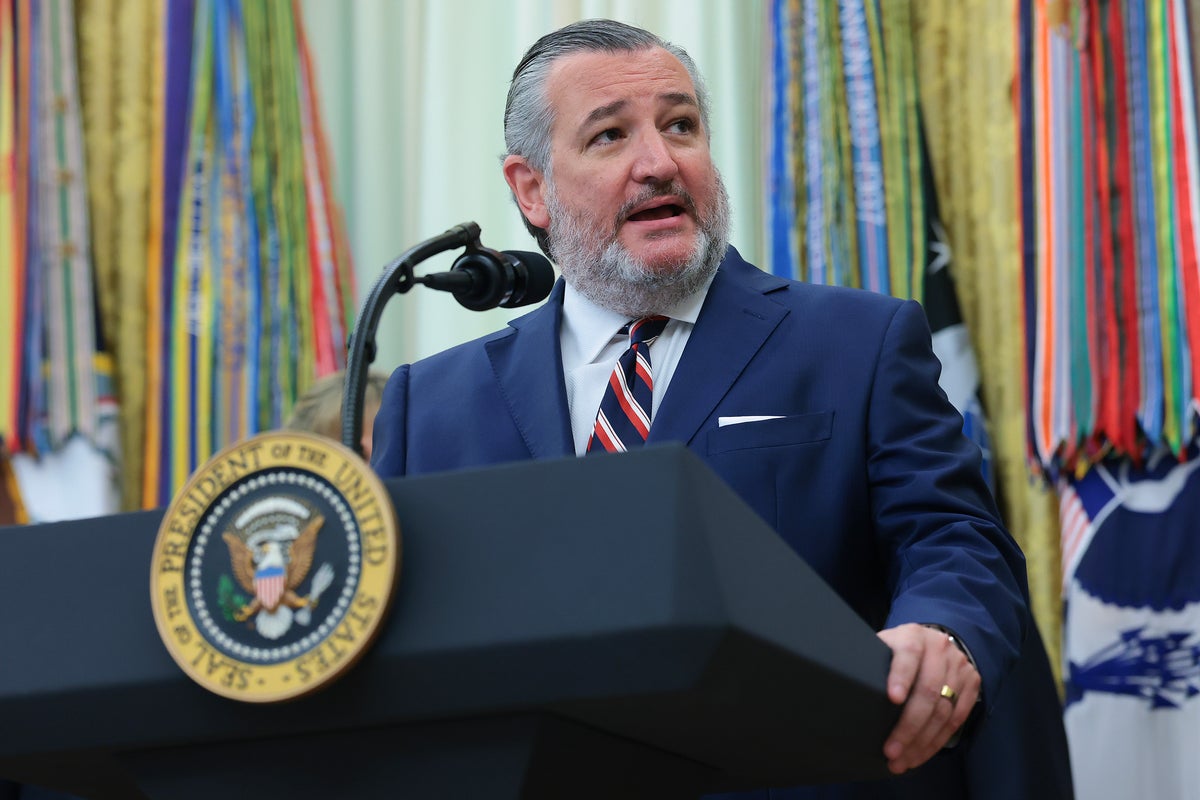
Political PR teams live in fear of the classic social media bait-and-switch. When Texas Senator Ted Cruz tried to share a heartfelt tribute to country music legend Dolly Parton, he walked straight into a digital ambush. It was messy. It was public. And it stayed live on his feed for seventeen hours before anyone thought to check the source material.
If you spend any time on X, formerly known as Twitter, you know the basic rules of digital hygiene. You check the accounts you quote. You verify handles. You look twice before hitting repost. Yet, high-profile politicians still fall victim to the oldest prank in the book. A user posted a quote about Dolly Parton, Cruz reposted it to show his cultural appreciation, and the trap snapped shut.
How the Trap Sprang on Ted Cruz
The mechanics of the blunder are painfully simple. The original poster shared a respectful message praising Dolly Parton. Senator Cruz quoted it, adding his own stamp of approval. Shortly after the repost went live, the clever user changed their display name and handle to an explicit insult targeting the senator. They also added a jab about Cruz's political history with Donald Trump.
Suddenly, a seemingly wholesome post praising America's favorite musical icon looked like an endorsement of a vulgar joke pinned directly to a sitting US senator's profile.
It sat there. Morning turned to afternoon. Afternoon turned to evening. For seventeen hours, users across the political spectrum flooded the replies to point out the blunder, joke about it, and screenshot the evidence for posterity. By the time the post was finally deleted, the internet had already turned it into a permanent fixture of digital lore.
Why Politicians Keep Falling for Basic X Pranks
You would think digital strategists working on Capitol Hill would have automated alerts for handle changes or username swaps on quoted posts. But they don't, or at least, their approval chains are too sluggish to catch fast-moving internet trolls.
Politicians love sharing cultural touchstones like Dolly Parton because it humanizes them. It moves the needle away from boring policy debates, tax codes, and committee hearings. It says, "Hey, I listen to standard radio and love Tennessee icons just like you do."
The problem is that internet culture moves faster than political machinery. Trolls understand how verification badges, quote-posts, and username edits work better than institutional staffers do. When a politician tries to ride the coattails of a viral moment, they hand complete control of the narrative over to whoever posted the original content.
This isn't even the first time Cruz has faced digital embarrassment on the platform. Veterans of political internet history remember his accidental 2017 Twitter gaffe involving an adult film account. That historical baggage made the Dolly Parton incident spread even faster. The internet loves a sequel, especially when it involves the same main character making a rookie mistake.
The Real Lesson for Public Figures Online
There is a broader takeaway here for anyone with a public profile, whether you are a senator, a CEO, or a brand manager.
- Never trust a static screenshot or a single quote. Platforms change dynamically.
- Understand the mechanics of quote-posts. When you amplify someone else's content, you tie your reputation to their future actions on that specific post.
- Speed kills. Rushing to look culturally relevant often leads to skipping basic safety checks.
If you want to comment on cultural moments without looking foolish, take the extra five seconds to look at who you are amplifying. Otherwise, you might end up spending seventeen hours starring in an internet-wide comedy routine you never signed up for. Stop treating social media feeds like a casual chatroom when millions of people are watching your every move. Double-check your sources, protect your brand, and leave the Dolly Parton tributes to people who know how the internet actually works.