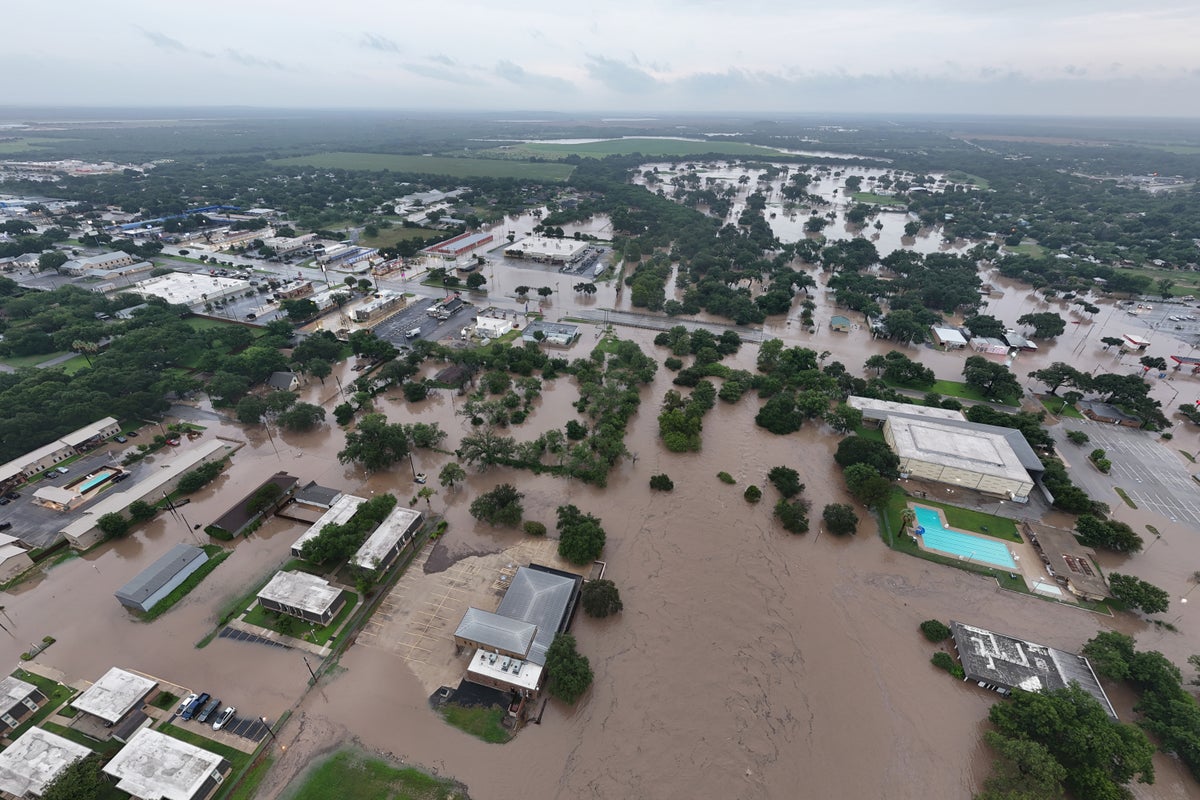
Six inches of fast-moving water can knock you off your feet. Two feet can float a full-size SUV. Yet every time torrential rains hit the Texas Hill Country or the South Texas plains, people keep driving straight into swollen creeks.
Texas Governor Greg Abbott recently confirmed a third death linked to severe floodwaters moving down the state's river basins. A 71-year-old woman lost her life in Val Verde County after the vehicle she was riding in was swept away. That fatal incident followed two earlier deaths in Kerr and Uvalde counties, where victims were caught in sudden, violent surges of water. Over 500 people have been rescued by emergency crews across the state as floodwaters slowly travel downstream toward the coast.
The immediate headlines focus on the numbers: three dead, hundreds saved, over 700 homes damaged or destroyed. But the real issue is why this specific region suffers such disastrous flood outcomes time after time, and why standard weather warnings aren't stopping people from taking deadly risks.
Why the Texas Hill Country Flashes So Fast
If you've never spent time in Central or South Texas, the geography looks deceptively flat and dry most of the year. That's the trap.
The Texas Hill Country sits on a massive limestone shelf with thin soil layers. When heavy rain hits, the ground can't absorb the moisture. Instead of soaking into the earth like it would in the Midwest, rain turns into immediate runoff. Steep terrain channels millions of gallons of water into narrow river valleys like the Guadalupe, the Llano, and the Nueces in minutes.
Water rushes off rock faces, collects in dry creek beds, and surges downstream without much notice. A road that looks completely dry at 2:00 PM can easily be under four feet of rushing water by 2:15 PM.
The Downstream Trap
When severe storms dump double-digit rainfall inches over the Hill Country, the immediate storm may pass, but the danger doesn't. Water moves south and east toward the Gulf of Mexico.
Towns hours away from where the rain actually fell suddenly find rivers rising past flood stage. Communities like Cotulla in La Salle County saw dozens of homes flooded days after the initial deluge because upstream runoff choked local tributaries. People let their guard down because the sky above them is blue, blissfully unaware that a wall of water is barreling down the river basin toward their neighborhood.
The Psychological Failure of Turn Around Don't Drown
State agencies spend millions putting up highway signs that read "Turn Around Don't Drown." Emergency management officials blast mobile alerts. Yet drivers still roll right past road barricades.
Why do smart people make such catastrophic mistakes behind the wheel?
- Depth Illusions: Water on a dark road masks deep washouts. You think you're driving through three inches of standing water when the pavement underneath has completely collapsed.
- Underestimating Mass and Velocity: Water weighs roughly 62.4 pounds per cubic foot. When it moves at 6 to 10 miles per hour, it exerts thousands of pounds of force against the side of a car. Your heavy four-wheel-drive truck offers zero traction once water lifts the tires off the asphalt.
- Optimism Bias: Drivers assume local roads are built to handle rain. They've driven across that low-water crossing hundreds of times, so they assume today won't be any different.
Emergency responders in Texas routinely report that the majority of high-water rescues involve local residents, not lost tourists. Familiarity breeds risky assumptions.
What You Need to Do Before and During a Flash Flood
If you live in or travel through flash-flood prone zones, standard hurricane advice won't save you. Flash floods happen instantly.
- Never trust a low-water crossing: If water is flowing over a road, stop. It takes less than a minute for a engine to stall and a car to get swept into a creek.
- Pay attention to upstream weather: Don't just check your local zip code. Check weather reports for counties 50 miles north of you along the same river basin.
- Ditch the vehicle immediately if stalled: If your car stalls in rising water, get out and climb to higher ground if you can safely do so. Staying inside a floating metal box is a death sentence.
- Keep an emergency kit in your vehicle: Pack a glass-breaker tool, a high-lumen flashlight, and non-perishable water. If you get stranded on high ground while roads are cut off, help might take hours to reach you.
Don't wait for official evacuation orders if you live near low-lying riverbanks. Move livestock, vehicles, and family members to higher terrain the moment heavy rain stalls over your watershed.
Check your local county emergency management page today to find out which river basin you live in and sign up for real-time reverse-911 alerts.