You think you know how international drug smuggling works. You picture cartel kingpins, high-speed maritime chases, or hidden compartments in luxury yachts. But reality looks far more mundane and much darker. Look at the headlines coming out of Cardiff and Bangkok right now. Two more people just walked into a courtroom, bringing the total number of charged individuals to six in an ongoing investigation involving teenagers used as international drug mules.
Let's break down what actually happened. Back in June, two 17-year-old boys from Cardiff found themselves locked up in Thailand. Authorities caught them trying to board a flight back to the UK with a staggering 64 kilograms of cannabis jammed inside their suitcases. Think about that weight for a second. Sixty-four kilos isn't a casual stash. It represents a major logistical operation executed by people who didn't want to risk their own freedom. Instead, they recruited minors, bought plane tickets, and sent kids across the globe to act as human shields for illicit cargo.
South Wales Police launched a massive investigation. By early August, the net widened significantly. Charges piled up against multiple adults. Levi Coomansingh, Patrick O'Driscoll, Gareth Press, and Ffion Bowes-Cavanagh Hooley faced magistrates. Shortly after, Tremaine Jeanne and Jessica Sani joined the docket at Cardiff Magistrates Court, facing identical accusations regarding conspiracy to evade drug importation laws and arranging the travel of individuals with a view to exploitation.
The Mechanics of Modern Exploitation
Organized crime groups don't recruit complex networks by accident. They look for vulnerabilities. Teenagers represent cheap, disposable labor for syndicates operating across international borders. When you look at how these recruitment pipelines function, a disturbing pattern emerges.
Criminals promise quick cash, glamorous travel, or easy thrills. Young people rarely understand the legal reality of foreign judicial systems until the heavy metal doors slam shut behind them. Thailand maintains notoriously severe penalties for drug offenses. Surviving an arrest in Southeast Asia is an entirely different universe compared to the UK justice system.
The suspects caught up in the Cardiff court hearings face severe charges that go far beyond basic drug possession. Investigators zeroed in on human trafficking and exploitation statutes. Conspiring to arrange or facilitate the travel of another person with a view to exploitation carries immense prison time. Police aren't just treating this as a simple drug bust. They are treating it as a modern trafficking ring targeting vulnerable minors.
Why This Case Changes the Conversation
For years, public perception treated international drug couriers as willing participants who deserved whatever punishment came their way. This case shatters that simplistic view. When adults manipulate minors into hauling massive quantities of controlled substances overseas, the conversation shifts from border security to child protection and organized criminal grooming.
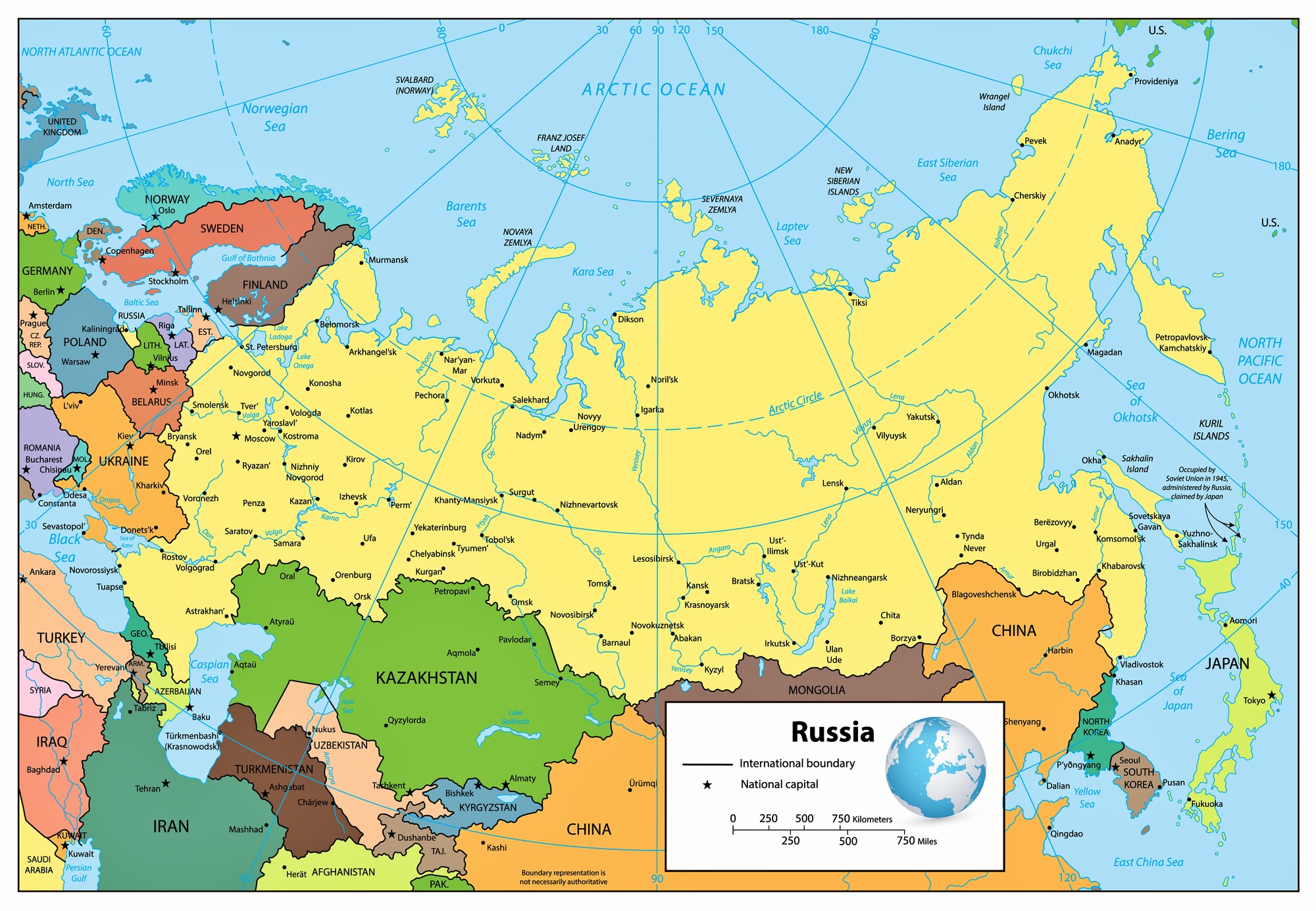
Look at the geography involved. Cardiff to Bangkok is a massive geographical leap. Coordinating flights, accommodations, and local logistics requires planning. Yet the masterminds stayed safely at home while the teenagers took 100 percent of the operational risk. That cowardice defines modern trafficking networks.
Law enforcement agencies are adapting, but criminal groups keep finding new loopholes. Social media platforms, encrypted messaging apps, and underground peer networks make recruiting kids easier than ever. Adults can groom targets from thousands of miles away without ever meeting them face-to-face.
What Families and Communities Must Recognize
If you want to protect young people in your community, you need to understand the warning signs. Grooming into criminality looks remarkably similar to other forms of exploitation.
- Sudden influx of unexplained cash or expensive items
- Unexplained travel plans or fascination with foreign trips
- Association with older individuals who offer vague job opportunities
- Secrecy surrounding online conversations and phone usage
Parents and educators often think drug smuggling involves shady street corners. Today, it starts with an Instagram message or a Snapchat promise of a free holiday.
The teenagers at the center of this nightmare are still sitting in a foreign jail cell, waiting while legal battles play out thousands of miles from home. Their families are dealing with an unimaginable crisis, supported by the Foreign and Commonwealth Office, while the accused individuals cycle through court appearances in Wales.
Stop pretending international crime only impacts hardened criminals. It targets your neighborhoods, your schools, and your children. Keep your eyes open, talk to the kids in your life about online recruitment, and understand that the shiny promises made on screens usually end in handcuffs or worse.