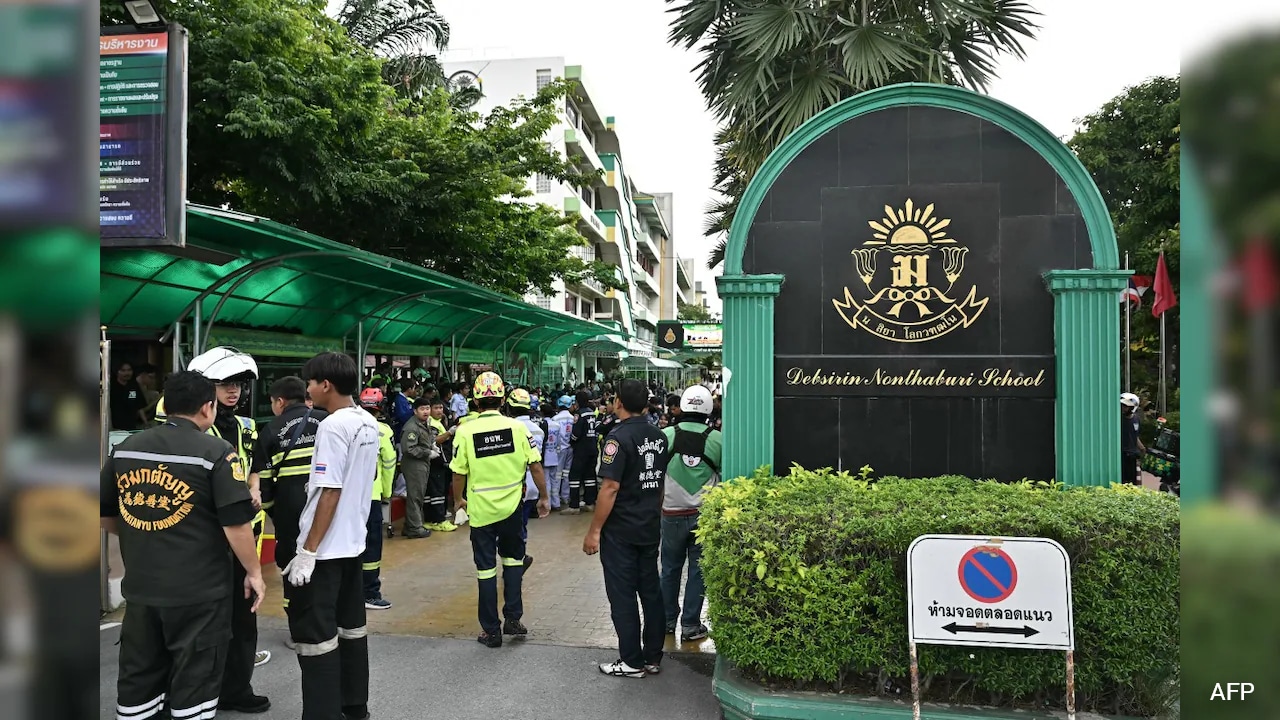
A normal school morning shattered into unimaginable horror when a 14-year-old boy opened fire in a Thai school. Before walking onto campus, he had already killed his grandparents at home. By the time the rampage ended, multiple teachers and victims were dead, leaving a nation grappling with grief and searching for answers. When investigators unlocked the teenager's personal computer, they found a chilling digital footprint. He had spent hours consuming violent content online. Police also recovered a knife tucked inside his school bag alongside a firearm and spent cartridges.
Beyond the Digital Echo Chamber
We love to point fingers at screens. It's easy. Blaming algorithms and violent videos gives society a convenient scapegoat. But digital consumption rarely happens in a vacuum. Investigators noted that the teenager had lived with his grandparents for twelve years after his parents separated. He carried heavy academic stress and personal tensions that went completely unnoticed by the adults around him.
A digital history of violence isn't a smoking gun. It's a symptom. When a kid isolates themselves, absorbs brutal imagery, and stores weapons where nobody looks, the safety nets have already failed entirely. Teachers had previously confiscated a BB gun from him last year, pointing to a trail of red flags that begged for early psychological intervention rather than simple disciplinary slaps on the wrist.
The Reality of Gun Access in Southeast Asia
Thailand has one of the highest rates of private gun ownership in the region. That single structural fact changes everything. Access breeds opportunity. When firearms are easy to obtain, a teenager's momentary crisis can instantly transform into a mass casualty event.
We see this pattern globally. Mental distress is universal, but the lethality of its expression depends entirely on access to lethal means. While policymakers rush to debate tighter restrictions, schools across Southeast Asia face an urgent pressure test. How do you spot a kid on the brink before they cross the line?
Fixing the System Before the Next Tragedy
The Thai Ministry of Education announced plans to overhaul safety protocols over a three-month window. These changes include mandatory mental health screenings, specialist referral pathways, emergency drills, and aggressive anti-bullying campaigns.
Paper policies won't fix a broken culture of silence. Schools need resources on the ground. Teachers need training to identify acute psychological distress instead of just academic failure. Parents need to pay attention to what happens behind closed bedroom doors.
If you suspect a young person is spiraling into isolation or obsession with violence, don't wait for a warning sign to become a headline. Intervene early, demand professional help, and secure dangerous items immediately.