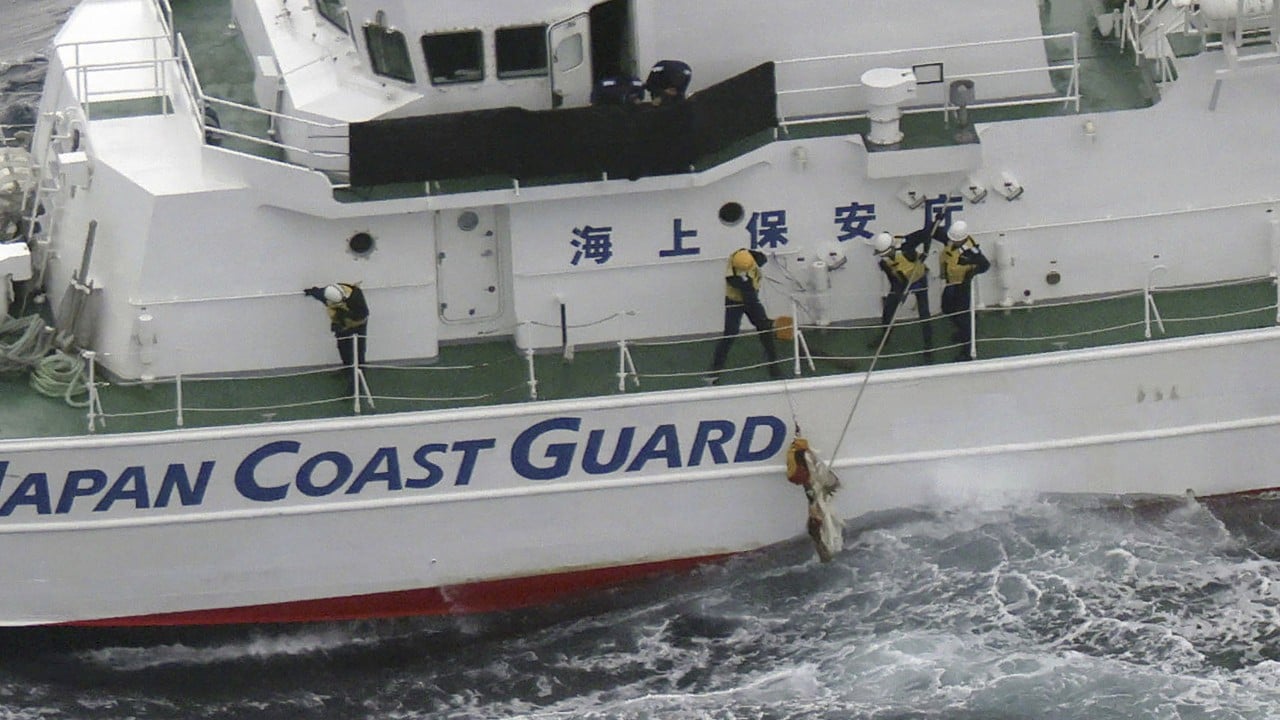
Tokyo is changing its foreign policy playbook, and most casual observers are missing the shift entirely. For decades, Japan’s international checkbook came with a strict rulebook centered on civilian infrastructure, humanitarian relief, and economic growth through Official Development Assistance. You didn't fund armies; you funded bridges, schools, and hospitals. That era is fading fast. Through its Official Security Assistance program, Japan is aggressively scaling up financial support to shore up the military and defense capabilities of strategic regional partners.
If you look closely at the numbers, the policy shift becomes undeniable. The government has pushed funding allocations sharply higher, targeting roughly a dozen countries for military-related hardware, maritime surveillance upgrades, and infrastructure improvements. Why the sudden pivot? Tokyo is staring down the most volatile security environment it has faced since the end of World War II, with regional flashpoints like Taiwan threatening to disrupt critical trade arteries. Japan isn't waiting around for a crisis to test its readiness. It's actively engineering a network of secure, friendly maritime states right across the Indo-Pacific. For a closer look into this area, we recommend: this related article.
Breaking the Postwar Taboo on Military Aid
For generations, Article 9 of Japan’s pacifist constitution kept the nation on a tight leash regarding foreign military entanglement. Exporting defense equipment was basically a non-starter. But geopolitical pressure changes laws. When Tokyo launched the Official Security Assistance program back in 2023, it created a legal bypass to supply non-combat military hardware to like-minded nations without violating domestic restrictions.
Unlike traditional aid focused purely on poverty reduction or economic development, this initiative directly targets the armed forces, coast guards, and security agencies of partner nations. We are talking about high-grade surveillance radar, coastal monitoring systems, communication gear, and upgrades to dual-use ports and airfields. It's a pragmatic response to a changing map. China's expanding naval footprint and aggressive territorial claims in the South China Sea have made regional nations eager for alternatives. Tokyo is stepping into that exact vacuum. To get more information on the matter, detailed coverage can also be found at NPR.
The Strategy Behind Targeting a Dozen Nations
Spreading funds across roughly 12 Indo-Pacific countries isn't random philanthropy. It's calculated network-building. Look at who’s receiving the gear. Countries like the Philippines, Malaysia, Indonesia, Thailand, Fiji, and Papua New Guinea occupy vital geographical choke points along major sea lanes.
If a conflict breaks out or a prolonged crisis hits the region, Japan's economy depends entirely on keeping those maritime routes open. Tokyo cannot protect those vast supply lines alone. By equipping regional partners with better radar, patrol boats, and logistics facilities, Japan helps them secure their own backyards. It creates a layered defense architecture. When local nations can effectively monitor their own territorial waters, it becomes much harder for any single regional power to isolate or exhaust Japanese supply chains.
Analysts often misunderstand this strategy. They look for a formal, NATO-style mutual defense treaty, but they won't find one. Tokyo isn't trying to build an Asian military alliance where everyone is legally obligated to jump into a war. Instead, it's weaving a dense web of bilateral intelligence sharing, logistics agreements, and technological cooperation.
What Higher Budgets Mean for Defense Manufacturers
The dramatic jump in funding—pushing allocations past the 18 billion yen mark—does more than just buy radar equipment for Pacific island nations. It opens the door for Japan’s domestic defense industry to scale up production. For years, strict self-imposed arms export restrictions starved Japanese defense contractors of foreign market exposure, keeping manufacturing costs artificially high because they only built for the domestic Self-Defense Forces.
By supplying second-hand assets and subsidizing new defense gear for international partners, Japan is testing the waters of international arms marketing. While offensive weapons remain largely off the table due to strict public oversight and budget realities, the path toward broader technological cooperation with allies like the UK, Italy, and Australia is wide open.
Ultimately, this security aid push is about self-preservation disguised as foreign aid. Tokyo knows that deterrence fails if you stand completely alone. By handing out high-tech surveillance tools and upgrading ports across the Indo-Pacific, Japan is quietly redrawing the security map of Asia.