Let's cut through the sanitized briefings and daily press releases. When you read that the U.S. military death toll in the current conflict with Iran has officially risen to 14, it sounds like a remarkably low number for a conflict of this scale. But that headline is hiding a much harsher reality.
The update comes after a Navy pilot died in a July 1 helicopter crash in the Arabian Sea. While the Navy initially called it an emergency landing with "no indication of hostile action," the Pentagon quietly updated its casualty statistics to reflect the loss.
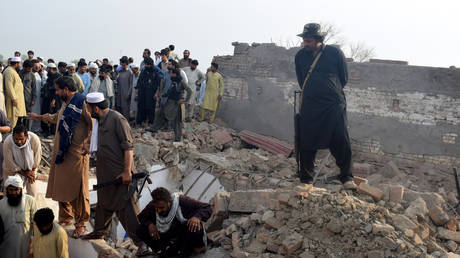
If you look past the official death toll, you'll find a massive, rapidly rising number of wounded American service members. Right now, over 400 U.S. troops have been injured in this conflict. The total officially stands at 414, including a recently added U.S. Air Force member.
Here is what the official reports don't want you to focus on: the nature of these injuries and the quiet, non-combat incidents that are racking up the casualty numbers.
Why the Wounded Count is the Real Story
When people hear about war casualties, they picture direct combat. They picture missile strikes, firefights, and dramatic drone intercepts. But modern warfare—especially when facing a sophisticated adversary like Iran—is incredibly punishing behind the front lines.
Out of the 414 wounded service members, a staggering majority are suffering from traumatic brain injuries (TBIs).
According to U.S. Central Command, these TBIs are not coming from bullet wounds. They are the result of constant, relentless shockwaves from Iranian ballistic missiles, drone strikes, and close-proximity explosions hitting regional hubs.
- The invisible injury: A TBI doesn't always show blood. It's an internal injury caused by blast overpressure. When a missile hits a base, even if a soldier is shielded inside a bunker, the pressure wave passes right through them, bruising the brain.
- The delayed toll: Many of these service members don't even realize they are injured until days or weeks later. It starts with a lingering headache, dizziness, and memory gaps, eventually spiraling into post-traumatic stress and long-term cognitive damage.
The Pentagon is historically slow to report these, leading critics to call the lagging data a quiet "casualty cover-up" designed to keep public panic at a minimum.
Tracking the Fatalities from March to July
To understand how we reached 14 deaths, we have to look back at the chaotic timeline of this conflict. The majority of the American fatalities actually occurred right at the start of the war.
- The March Drone Strike: Six U.S. soldiers died instantly when an Iranian drone hit a command center in Kuwait.
- The Saudi Arabia Base Attack: One soldier succumbed to severe injuries more than a week after a strike on the Prince Sultan Air Base in Saudi Arabia.
- The KC-135 Crash: Six more service members lost their lives in a tragic crash of a KC-135 refueling aircraft supporting active operations over Iraq.
- The July Helicopter Mishap: The 14th death was the Navy pilot who died on July 1 during an emergency landing in the Arabian Sea.
Notice a trend? A significant portion of these deaths did not occur in direct, face-to-face firefights. They happened during support missions, refueling runs, and non-combat transport operations. Modern military logistics are stretched incredibly thin in the region, and under high-stress conditions, mechanical issues and operational accidents become lethal.
What Happens Now as the Ceasefire Collapses
The fragile, Pakistan-brokered truce that briefly halted the worst of the fighting is officially dead. The White House has notified Congress that hostilities have resumed, and the U.S. is reinstating its naval blockade of Iranian ports in the Gulf to keep the Strait of Hormuz open.
With strikes starting up again, those casualty numbers are bound to jump. If you are tracking this conflict, stop looking only at the headline death toll. Watch the wounded statistics. Watch the brain injury reports. That's where the true, long-term human cost of this war is being written.
If you want to support service members affected by these invisible wounds, consider donating to or volunteering with veteran support networks like the Wounded Warrior Project or the Brain Injury Association of America. They are the ones handling the long-term fallout of these conflicts long after the news cycle moves on.