The grand promises of a quick diplomatic breakthrough have crashed into the reality of a stubborn geopolitical stalemate. President Trump wanted a fast, clean exit from the conflict with Iran. Instead, he faces a closed Strait of Hormuz, soaring domestic disapproval, and an Iranian leadership that refuses to fold. With military options temporarily paused and high-stakes talks dragging out, the administration is drifting back to its default setting: maximum economic pressure and tighter sanctions.
If you are wondering why diplomatic channels keep stalling out, look at the widening gap between Washington's expectations and Tehran's maximalist demands. Iran isn't just asking for minor concessions. They want the U.S. naval blockade lifted, reparations paid, frozen assets released, and military forces withdrawn. Trump, meanwhile, insists that Iran owes the United States for decades of conflict and property damage. Building on this theme, you can also read: Why Cuba Keeps Going Dark And What The Headlines Miss.
Neither side is backing down. That leaves the White House searching for leverage as the political clock ticks toward the midterm elections.
The Mirage of an Easy Deal
For months, the administration pitched the narrative that economic strikes and military deterrence would force Tehran to capitulate on Washington's terms. Trump frequently took to social media to declare that a comprehensive agreement was right around the corner. Yet each claimed breakthrough dissolved into mutual accusations of bad faith. Experts at TIME have also weighed in on this situation.
Iran's strategy relies on playing the long game. Tehran knows that prolonged uncertainty hurts Trump politically at home, especially as polls show a vast majority of Americans viewing the war as a losing battle. By dragging out negotiations through intermediaries like Oman, Iran aims to outlast an American president whose base is growing weary of foreign entanglements.
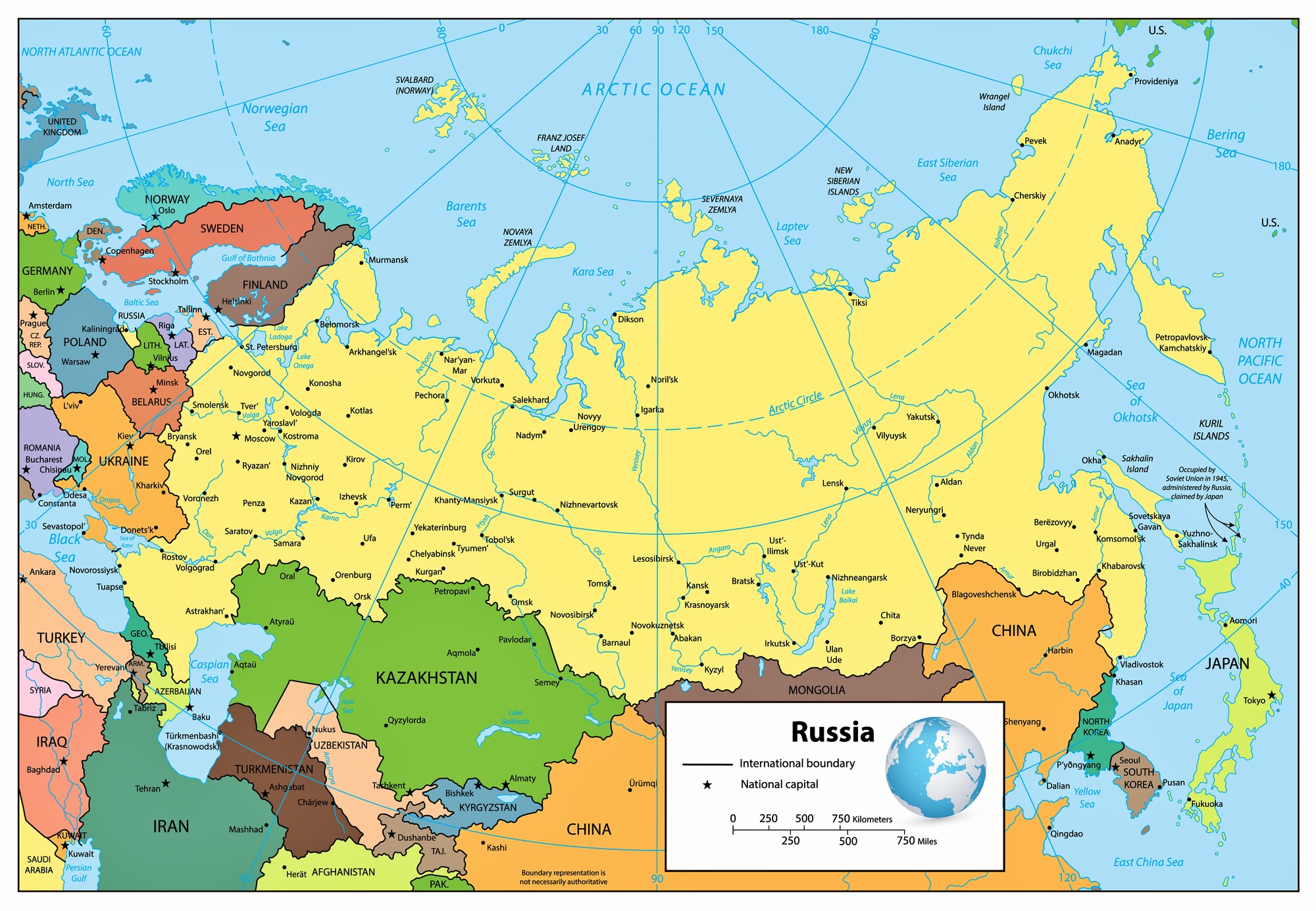
Meanwhile, the critical waterway of the Strait of Hormuz remains heavily restricted. Even though initial military exchanges damaged parts of Iran's infrastructure, the clerical regime has managed to maintain control over the passage, using it as leverage to squeeze global energy markets.
Why the White House is Returning to Sanctions
When high-level talks fail and military strikes are put on hold, Washington falls back on what it knows best. Sanctions have been the backbone of American foreign policy toward Iran for decades. Officials now argue that tightening the financial screws will exploit Iran's severe domestic inflation and growing economic distress.
The logic is simple on paper. Starve the regime of revenue, watch internal discontent rise, and force Iranian leaders back to the bargaining table out of sheer necessity.
Veteran diplomats point out a massive flaw in this approach. Iran's hard-line leadership, anchored by the Islamic Revolutionary Guard Corps, has built its entire political identity on economic resistance. They are entirely comfortable shifting the burden of economic collapse onto ordinary citizens while prioritizing their strategic military goals. Waiting for sanctions to trigger a sudden change in regime behavior is a high-risk gamble that rarely pays off quickly.
The Nuclear Elephant in the Room
Another glaring issue haunts the administration's pivot back to economic pressure. Any future sanctions enforcement or trade-off risks ignoring the core long-term threat: Iran's nuclear enrichment program.
Military operations managed to disrupt significant portions of Iran's physical infrastructure, but expertise cannot be bombed away. Iranian scientists retain the knowledge required to rebuild their capabilities. Without a binding, verifiable nuclear containment framework attached to any sanctions relief, the U.S. risks trading a temporary maritime truce for a future where Tehran feels an atomic deterrent is its only safety net.
The administration faces a narrowing window to turn the tide. Relying on economic penalties alone won't magically reopen the Strait of Hormuz or fix a faltering foreign policy strategy. Until Washington reconciles its demands with the reality of Tehran's resilience, the U.S. will remain stuck in a costly cycle of no war and no peace.
Take a hard look past the rhetoric coming from Washington and Tehran. Watch the shipping insurance rates in the Persian Gulf and monitor the enforcement metrics on secondary oil exports. Those indicators reveal the true temperature of the conflict, long before any official announcement makes the evening news.