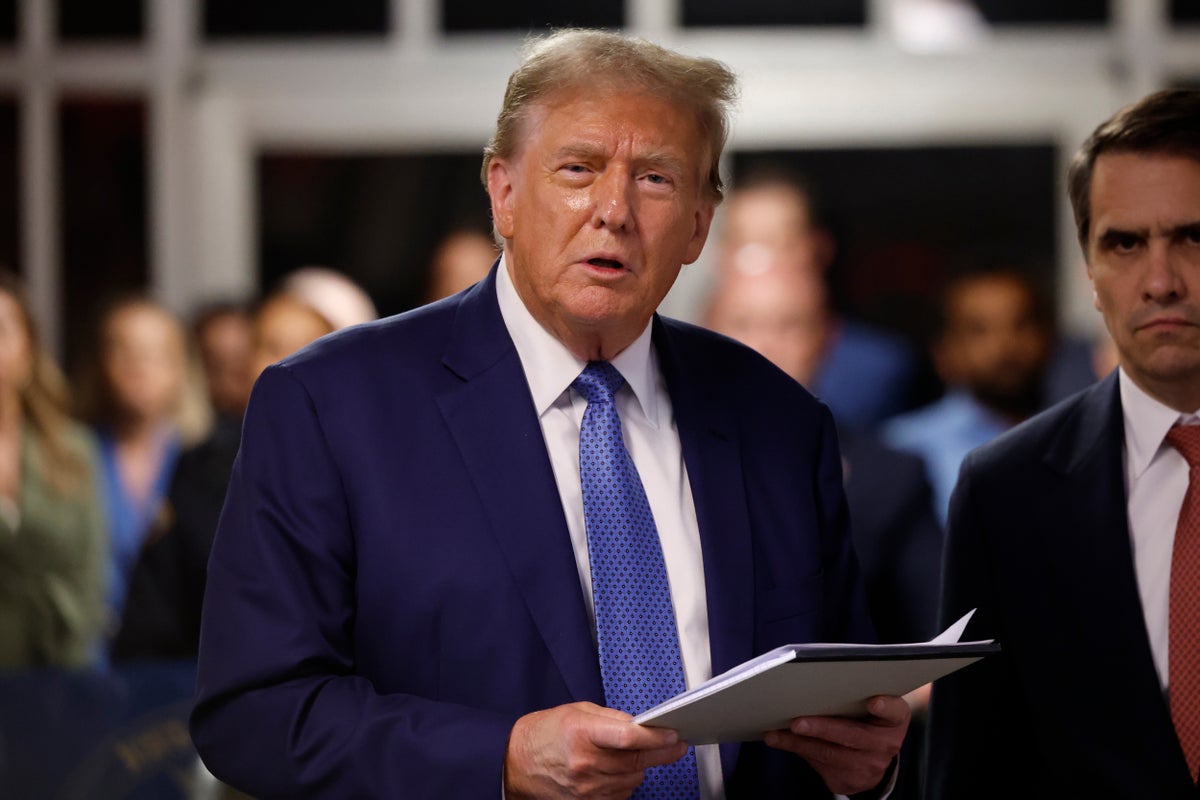
Donald Trump thought the Supreme Court would rescue him from his New York felony conviction. He was wrong. Again.
Federal Judge Alvin Hellerstein just slammed the door shut on Trump’s latest attempt to wrench his hush money conviction out of state court and drag it into federal jurisdiction. It is the third time Hellerstein has rejected this specific play. The judge didn't mince words, calling the request neither new nor legally sufficient. He pointed out that Trump failed to show good cause or diligence. Meanwhile, you can read other stories here: Why The Arrest Of Imran Khan Sister Aleema Khan Changes Everything In Pakistan Politics.
Let's look at what is actually happening behind the procedural smoke and mirrors. Trump's legal team wants this case in federal court for one primary reason: they want a pipeline straight to the conservative-leaning Supreme Court, hoping the high court's sweeping presidential immunity doctrines will wipe out a New York jury's 34-count guilty verdict from May 2024.
The Immunity Argument That Keeps Collapsing
The entire defense strategy relies on stretching the Supreme Court's immunity ruling past its breaking point. Trump's lawyers argue that because he was president when some of the reimbursement checks were cut, his actions fall under official presidential duties. To see the bigger picture, check out the excellent analysis by NPR.
Hellerstein isn't buying it. Not even a little bit.
In his recent ruling, the judge stated plainly that paying hush money to an adult film star and covering up a personal embarrassment have nothing to do with official presidential acts. It was a private transaction designed to protect a personal campaign from a sex scandal. Prosecutors proved at trial that Michael Cohen paid Stormy Daniels $130,000 out of his own pocket. Trump then reimbursed him through corporate checks disguised as legal fees.
That is business fraud, plain and simple. It is not statecraft.
Why This Legal Strategy Keeps Stalling
Trump’s defense attorneys have tried every procedural trick in the book to invalidate the verdict. They moved the venue, they attacked the jury instructions, and they pushed for post-trial dismissals based on executive power.
Yet, they keep hitting a wall because of timing and jurisdiction rules. Back when the case started, Trump chose to fight the charges in state court rather than immediately trying to remove the matter to federal court. Hellerstein called them out for taking "two bites of the apple." You cannot try your luck with state judges and juries, lose, and then suddenly decide you want a different referee because you don't like the scoreboard.
Even when a three-judge panel for the Second Circuit told Hellerstein to take a second look following the Supreme Court's immunity decision, the outcome remained identical. The facts didn't change. The law didn't bend.
What Happens Next in the Legal Aftermath
Trump remains a convicted felon, holding the historic and unwanted distinction of being the first former American president convicted of criminal charges. Despite endless delays, sentencing maneuvers, and appeals, the state-level conviction stands tall.
The defense will undoubtedly appeal to the Second Circuit once more. They will push every legal boundary available. But reality is catching up with the paperwork. Federal judges are drawing a hard line between protecting actual executive authority and shielding a candidate from personal scandals.
Stop waiting for a magic judicial bullet to erase the verdict. The courts have spoken, and federal judges are tired of hearing the same arguments repackaged under new cover sheets.