Donald Trump expected loyalty, not a constitutional reality check. When the Supreme Court voted 6-3 to strike down his signature global tariffs under the International Emergency Economic Powers Act (IEEPA), the reaction wasn't quiet disappointment. It was a full-scale political meltdown.
If you want to understand how Washington's power dynamics actually function right now, look no further than this clash. The court didn't just reject a policy. They blocked a fundamental pillar of Trump's economic strategy, and he made sure everyone knew how furious he was about the billions in potential revenue and political leverage slipping through his fingers.
Why the Supreme Court Nixed the Tariffs
The core legal question came down to an old statute and a very modern power grab. Trump had relied on IEEPA—a 1977 emergency powers law—to slap sweeping tariffs on nearly every nation, citing trade deficits and national security.
There is just one massive problem with that approach. The law never mentions the word tariffs, duties, or taxes.
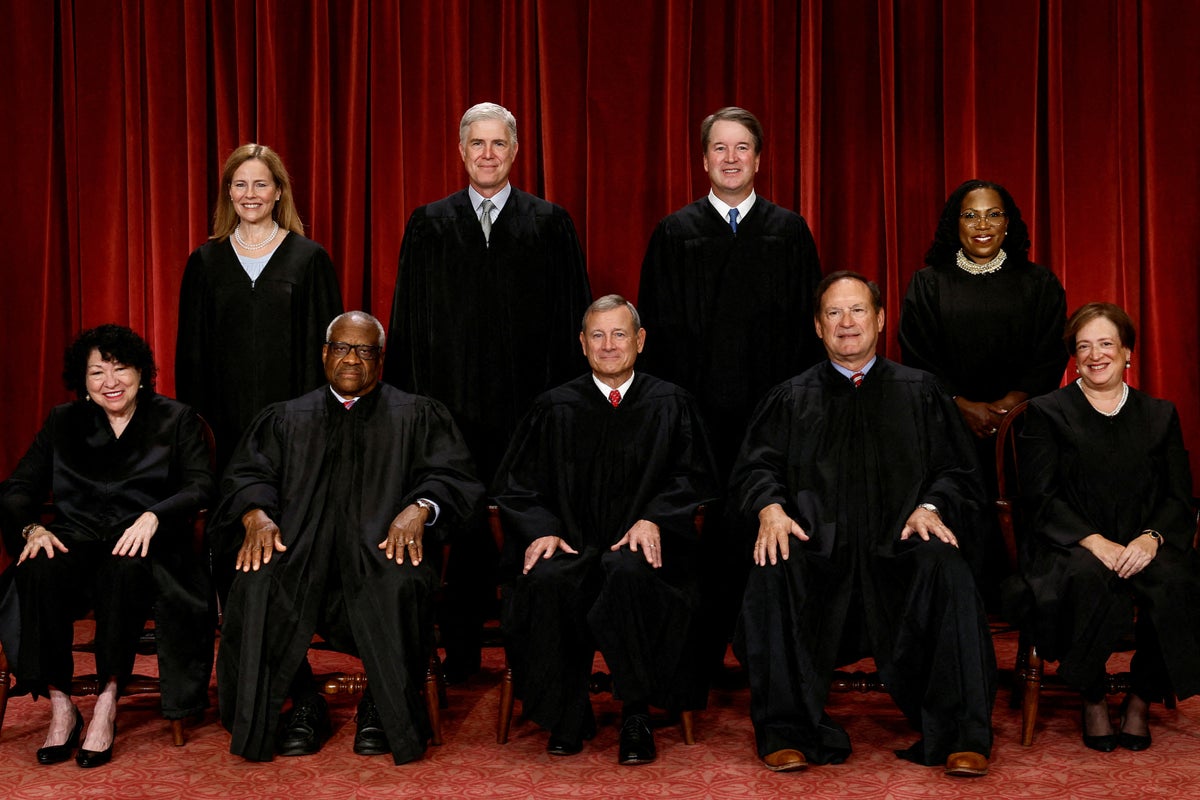
Chief Justice John Roberts, writing for the 6-3 majority, made it clear that executive overreach has boundaries. Joining the court's liberal wing were conservative Justices Neil Gorsuch and Amy Coney Barrett—both appointed by Trump during his first term. The court ruled that while the president can regulate imports during a genuine emergency, writing tax policy and imposing broad tariffs belongs exclusively to Congress.
The Personal Attacks and Fallout
Trump didn't hold back during his emergency White House press briefing. He called the majority justices "unpatriotic and disloyal" to the Constitution. He singled out his own appointees without naming them directly, calling their vote an embarrassment to their families.
It’s an open secret in modern politics that presidents expect their judicial nominees to act as partisan soldiers. When Gorsuch and Barrett sided with the textual reading of the law alongside Roberts and the liberal bloc, it shattered those expectations. Trump labeled them lapdogs for the radical left, showing just how deeply personal his policy defeats feel to him.
Meanwhile, Justice Brett Kavanaugh penned a fiery dissent, earning praise from the Oval Office as a "genius". Kavanaugh basically provided a legal roadmap of alternative statutes the administration could use to circumvent the ruling.
The Workaround and What Comes Next
Trump didn't back down for even a second. Within hours of the decision, his administration started pivoting to alternative levers, utilizing Section 122 of the Trade Act of 1974 and other statutory tools to resurrect the levies under different names.
Legal watchdogs aren't sitting quietly either. Organizations like the Liberty Justice Center quickly filed lawsuits arguing that changing the statutory pretext doesn't make an illegal tariff lawful. Trump even admitted in subsequent interviews that he's forced to take a "more cumbersome way" to achieve the exact same economic protectionism.
The fight over executive authority isn't ending. It's just moving into a messier, more technical phase in the lower courts. Tariffs remain Trump's favorite economic instrument, and no court ruling is going to change his mind about using them.
Stop expecting the executive branch to surrender its economic agenda over a single judicial setback. The workaround is already live.
The Supreme Court checks Trump's tariff power | Ian Explains
This video provides a helpful breakdown of how the Supreme Court's ruling impacted Trump's tariff strategy and what alternative statutes the administration utilized next.