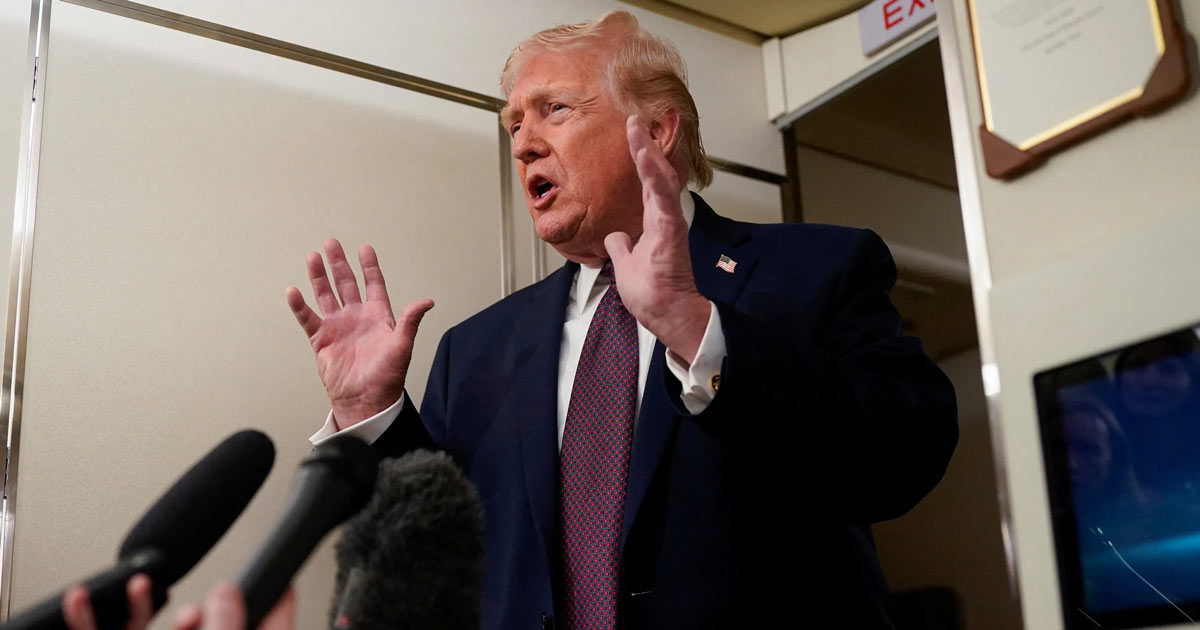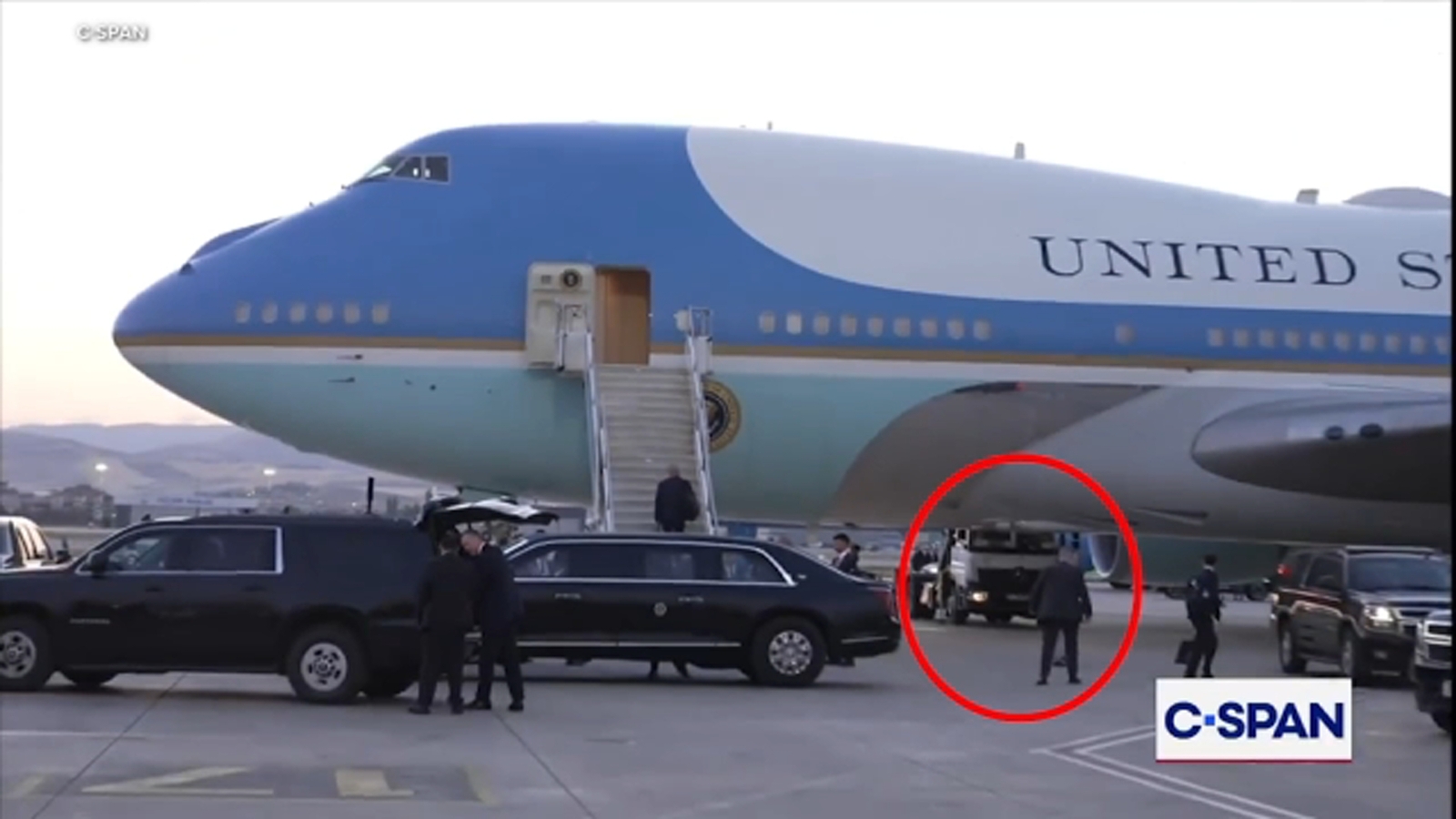
Geographical lines on a map rarely shift overnight, but executive actions can turn traditional nomenclature upside down. When Washington decides to redraw the labels of shared natural resources, international friction follows immediately. President Donald Trump signed an executive order on August 27, 2026, forcing federal agencies to stop using the historical moniker of Lake Ontario and instead refer to it as Lake America.
This administrative declaration didn't happen in a vacuum. It arrived right in the middle of a tightening trade dispute with Canada involving automotive tariffs and retaliatory measures. Leaders in Ottawa didn't hesitate to push back. Prime Minister Mark Carney made it clear that Canadians would stick to the original title. Major technology companies like Google and Apple adjusted their mapping interfaces for domestic U.S. users, creating a fragmented reality where digital cartography depends entirely on your GPS coordinates.
The Mechanics of Cartographic Power
You might wonder how a president can alter a map in the first place. Under U.S. law, the executive branch commands federal databases and geographic naming systems. When an order drops, agencies like the United States Geological Survey update their internal records. Consumer tech giants often follow suit to stay aligned with official government datasets, or to avoid regulatory friction at home.
Yet, changing a domestic database does not rewrite international law. Lake Ontario is a binational body of water shared by New York State and the Canadian province of Ontario. Canada holds sovereignty over its half of the shoreline and water jurisdiction. Ontario Premier Doug Ford and other Canadian officials treated the decree as political theater rather than a binding geographical reality.
Why Trade Wars Bring Out Symbolic Battles
Economic retaliation rarely stays confined to tariff schedules on steel and cars. When trade negotiations stall, political actors frequently resort to symbolic nationalism to rally domestic support. Imposing duties on billions of dollars of cross-border commerce creates tangible economic pain for consumers and businesses alike. Slapping a new name on a major lake shifts the media narrative away from supply chain disruptions and inflation concerns.
We saw a similar playbook earlier when the administration pushed to alter references to the Gulf of Mexico. These moves rely on a specific communications strategy. They provoke sharp reactions from political adversaries, guarantee round-the-clock news coverage, and force private corporations to make awkward public choices about which map version to display.
The Tech Dilemma and Public Pushback
Private mapping platforms found themselves caught in a geopolitical crossfire. Apple and Google rolled out regional updates showing the new designation for users inside the United States. Meanwhile, independent alternatives like MapQuest saw massive surges in traffic as users actively sought out platforms maintaining traditional boundaries and names.
Public opinion polls conducted shortly after the announcement showed substantial domestic opposition. A significant majority of Americans surveyed viewed the renaming as an unnecessary distraction from pressing domestic challenges. Senators from border states openly criticized the directive, vowing to keep using historical designations in official correspondence and public statements.
Looking Beyond the Border Dispute
Geopolitical posturing over landmarks highlights the fragile nature of shared international infrastructure. Trade disputes between neighbors tend to follow predictable cycles of escalation, retaliation, and eventual renegotiation. Tariffs on autos and consumer goods impose real costs on manufacturing sectors on both sides of the border, forcing companies to restructure supply chains under intense uncertainty.
The cartographic dispute over Lake America serves as a reminder that political symbolism travels fast in the digital age. Whether tech platforms display new labels or old ones, the water continues to flow past ports and cities that operate under entirely different flags.
Check out this report for more details on the political fallout: President Trump signs order to rename Lake Ontario amid trade war. This video provides a direct look at the official announcement and the immediate political reactions surrounding the trade dispute.
http://googleusercontent.com/youtube_content/1