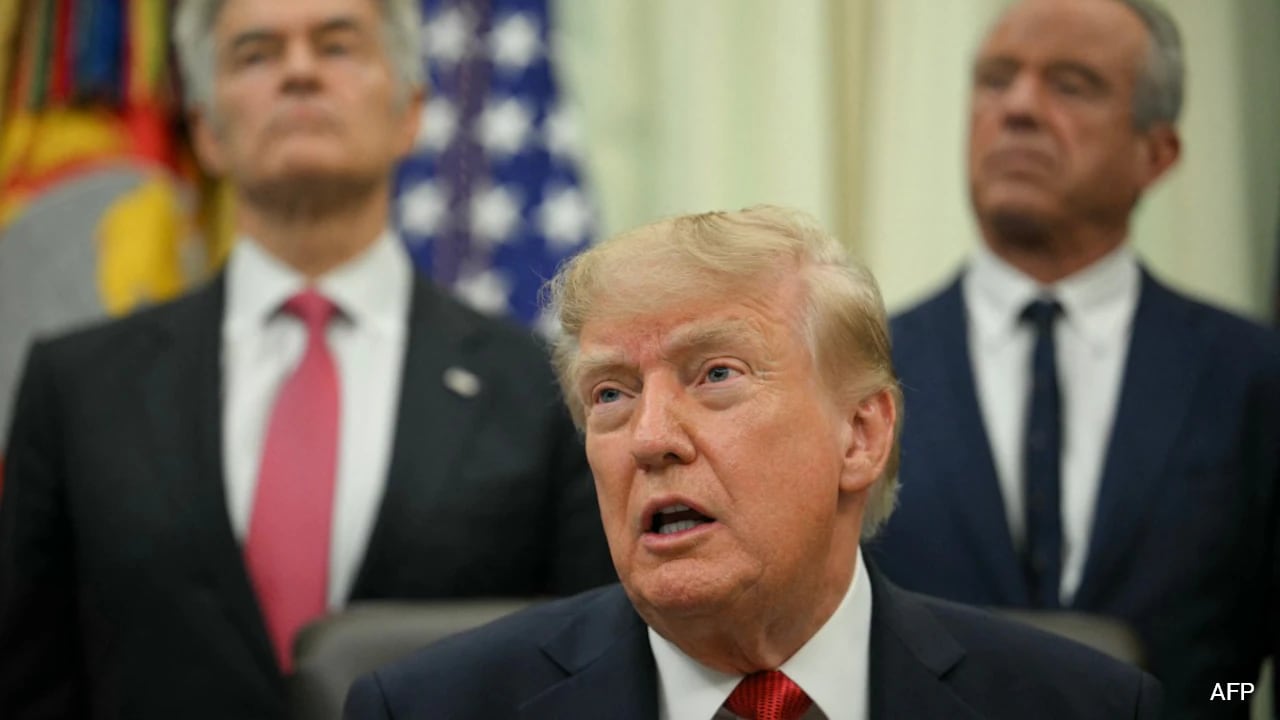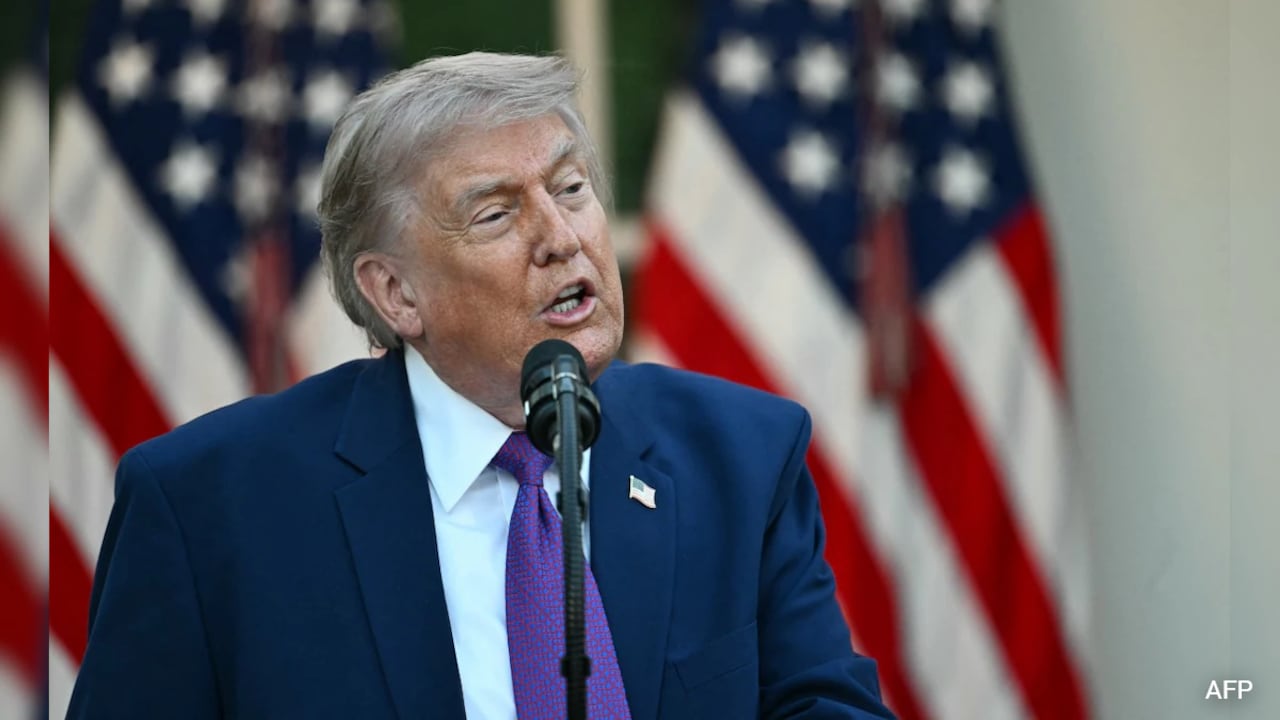
Foreign policy moves fast when Washington decides to play hardball. Donald Trump recently dropped a heavy hint that the United States might target major Chinese financial institutions doing business with Tehran. If you think this is just standard political posturing, you are missing the entire plot. Sanctioning Chinese banks is the financial equivalent of dropping a tactical nuke on global trade.
When a superpower threatens the banking infrastructure of another superpower, markets listen. But what does this actually mean for your portfolio, international supply chains, and the fragile stability of the US dollar? Let's break down the mechanics behind these threats, why Iran remains the ultimate flashpoint, and how Beijing is quietly preparing for the worst-case scenario.
The Real Power Behind Secondary Sanctions
Most people don't understand how Washington controls global commerce without firing a single shot. It all comes down to the plumbing of the international financial system. The US dollar is the undisputed king of trade, and the Society for Worldwide Interbank Financial Telecommunication network routes the vast majority of cross-border transactions through American-cleared channels.
When the White House talks about sanctioning Chinese banks over Iran links, they aren't talking about mild wrist-slaps. They are threatening secondary sanctions.
- Secondary sanctions cut any institution off entirely from the US financial system.
- If a Chinese bank cannot clear transactions in US dollars, it effectively ceases to function internationally.
- Global corporations are then forced to choose between doing business with Beijing or trading with New York.
Nobody chooses Beijing in that scenario. That is the leverage Washington holds. Chinese lenders know this, which is why previous threats have often led to quiet, behind-the-scenes compliance from major state-owned institutions. Yet, the current environment is vastly different than it was a few years ago. Beijing has spent a decade building financial firewalls.
Why Beijing Won't Just Back Down Easily
China isn't standing still while Washington waves financial weapons around. For years, Beijing has actively worked to insulate its economy from dollar dominance. They've built alternative payment systems, expanded the use of the digital yuan, and aggressively bought gold.
When Trump hints at cracking down on banks facilitating Iranian oil purchases, he is hitting a vital nerve. Iran relies heavily on Chinese crude imports to keep its state budget afloat. Beijing gets discounted energy; Tehran gets a financial lifeline. It's a marriage of convenience born out of mutual isolation from Western markets.
If Washington forces Chinese banks to choose between the US market and the Iranian energy trade, major institutions like the Bank of China or smaller regional lenders face a massive compliance nightmare. Smaller banks with little exposure to the US might keep processing Iranian transactions, daring Washington to pull the trigger. Mega-banks, however, cannot afford a total lock-out from New York.
The Broader Economic Fallout
Markets hate uncertainty. Every time a high-profile political figure floats the idea of escalating sanctions against the world's second-largest economy, supply chains shudder.
You see immediate reactions in commodity markets. Oil prices fluctuate wildly based on rumors of tighter enforcement. Shipping insurance costs spike for vessels moving through strategic waterways. Multinational corporations accelerate their "de-risking" strategies, moving manufacturing hubs out of mainland China into places like Vietnam, India, and Mexico.
The strategy behind these threats isn't just about stopping a few oil tankers. It is about forcing a permanent economic decoupling in sensitive sectors. Washington wants financial institutions to act as border guards, vetting every transaction for geopolitical purity.
How to Position Yourself Now
You cannot afford to ignore macroeconomic shifts driven by geopolitical brinkmanship. When monetary policy and foreign policy merge into a weaponized trade war, asset prices move unpredictably.
- Keep a close eye on currency reserves and trade settlement data coming out of Asian markets.
- Diversify holdings away from assets overly vulnerable to sudden regulatory shifts or currency freezes.
- Watch how central banks accumulate gold as a hedge against escalating financial weaponization.
The era of frictionless global trade is over. What we are witnessing is the fragmentation of the international monetary order. Trump hinting at sanctions against Chinese banks is just another step toward a fractured economic reality where every cross-border transaction carries a political risk score. Pay attention to the banks, ignore the political noise, and protect your capital before the next escalation hits the wire.