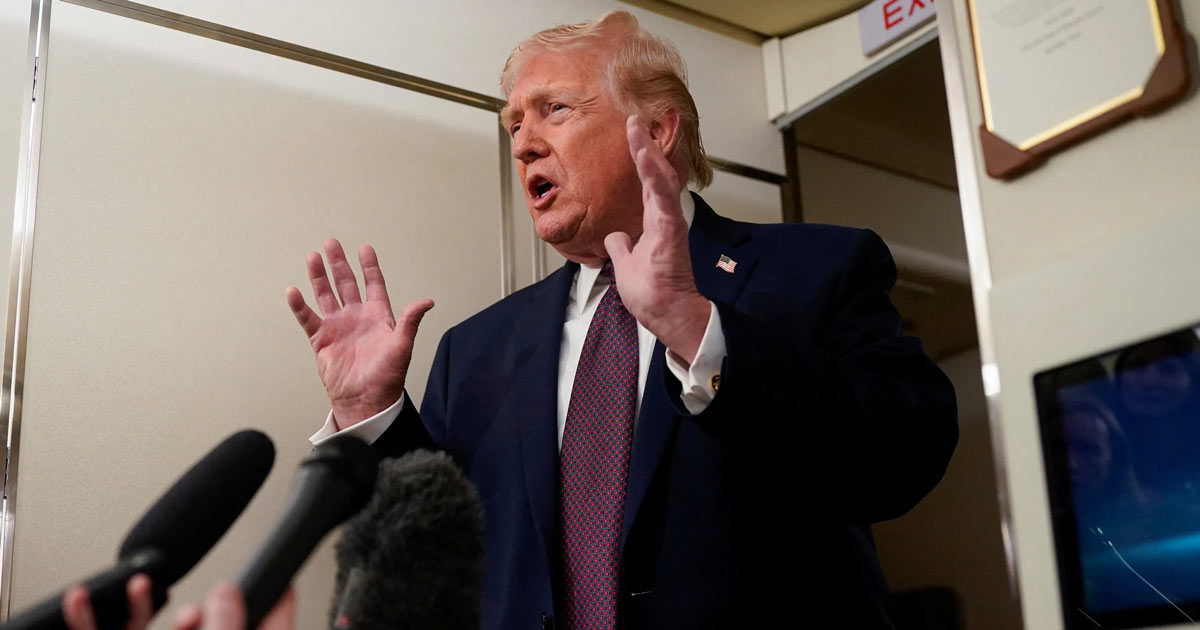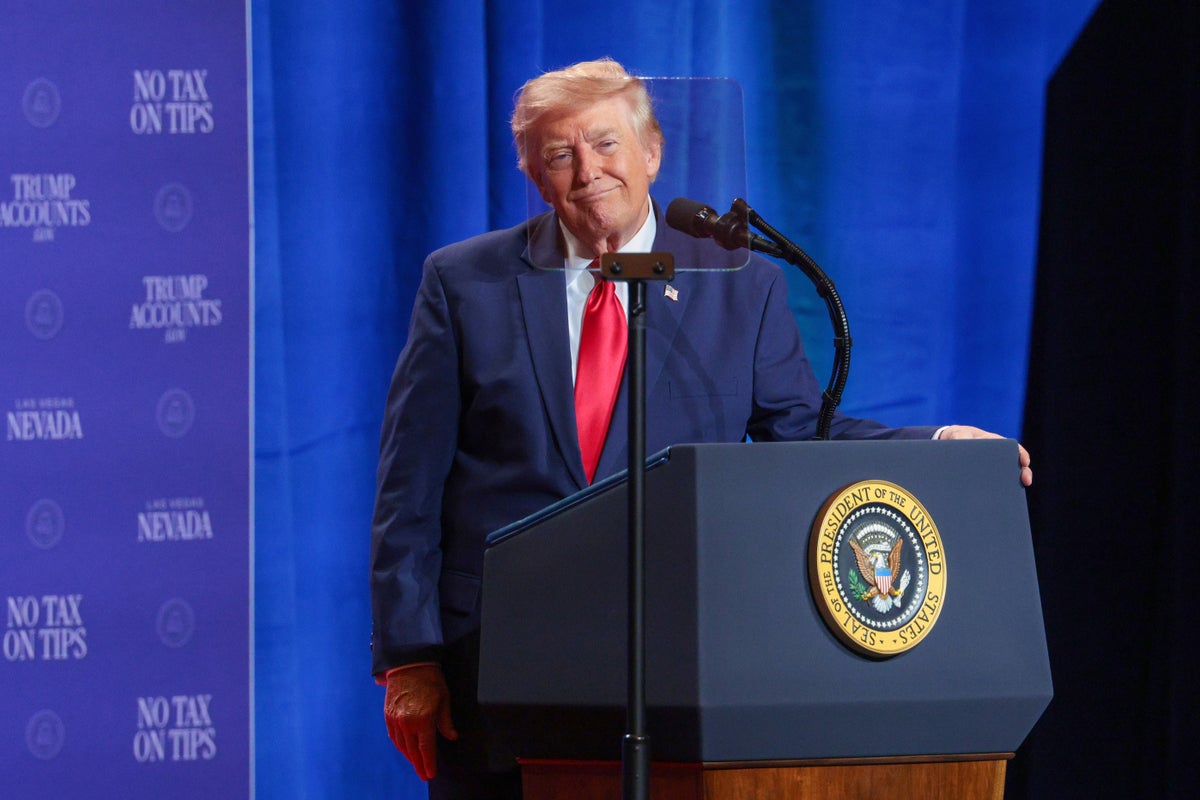
American elections belong to the states. That rule forms the bedrock of US voting administration, written directly into the Constitution. Yet, political norms shift fast. Donald Trump recently refused to dismiss the idea of a federal takeover of voting systems, responding to a right-wing media host with a cryptic phrase: "Stranger things have happened".
That refusal sparked immediate alarm among constitutional scholars and voting rights advocates. Behind the headline lies a much larger fight over who gets to write the rules of democracy.
The Origins of the Federal Takeover Rumor
Talk of an emergency executive action didn't just appear out of nowhere. Draft executive orders circulating among conservative circles have floated the idea of declaring a national security emergency to alter voting procedures. Proponents of this plan argue that executive authorities under statutes like the National Emergencies Act give the president wide latitude to intervene if foreign interference threatens democratic infrastructure.
During a post-midnight interview with media host Wayne Allyn Root, Trump was urged to use emergency powers to bypass congressional gridlock. The suggestion included mandating nationwide photo identification, requiring hand-counted paper ballots, and restricting mail-in voting without waiting for a vote in the Senate.
Trump didn't embrace the plan outright, but he didn't reject it either. His "stranger things have happened" remark left the door wide open for speculation.
What the Constitution Actually Says
You can search the Constitution from top to bottom, but you won't find any clause allowing a president to seize control of state voting machines through an emergency declaration. Article I, Section 4 gives states the primary authority to set the times, places, and manner of holding elections, while granting Congress a secondary oversight role.
Legal experts point out that executive orders cannot override clear constitutional boundaries. Max Flugrath of Fair Fight Action noted bluntly that no existing statute permits a president to commandeer state-run electoral systems.
Past administrations have used emergency declarations to target foreign election interference. For instance, executive orders first signed in 2018 have allowed the federal government to sanction foreign entities trying to sow discord. However, using those national security tools to dictate domestic voting methods—such as banning electronic machines or forcing public hand counts—represents an entirely different legal frontier.
The Legislative Pushback
Lawmakers aren't waiting around to see what happens next. Congressional Democrats have introduced legislative measures like the Free Elections Act, designed explicitly to block the misuse of emergency powers for electoral interference. This legislation aims to reinforce statutory guardrails, making sure federal agencies like the Department of Homeland Security cannot step in to monitor or control local voting sites.
At the state level, local election officials remain on high alert. Secretaries of state across the country are bracing for potential legal battles if federal agencies attempt to audit or alter voter files through programs like the SAVE system.
Preparing for the Legal Battles Ahead
If an administration attempts to implement sweeping voting changes via executive fiat, the response will be swift. Civil rights groups and state attorneys general will file emergency lawsuits within hours.
If you want to track how these developments affect your local precinct, keep a close eye on state-level election boards. They remain your best source of accurate guidance as the legal landscape shifts.