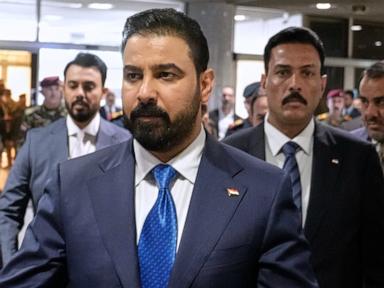
Donald Trump just rolled out the red carpet for Iraq's new prime minister, Ali al-Zaidi. On the surface, it looks like a classic Trumpian victory lap. He bypassed the usual career diplomats, bullied Baghdad into rejecting an Iran-friendly candidate, and got a self-proclaimed "tycoon" installed in the Prime Minister's office.
But don't let the handshakes in the Oval Office fool you. You might also find this related article insightful: Why Nepal Needs More Than Just Good Intentions To Stop Disaster Tragedies.
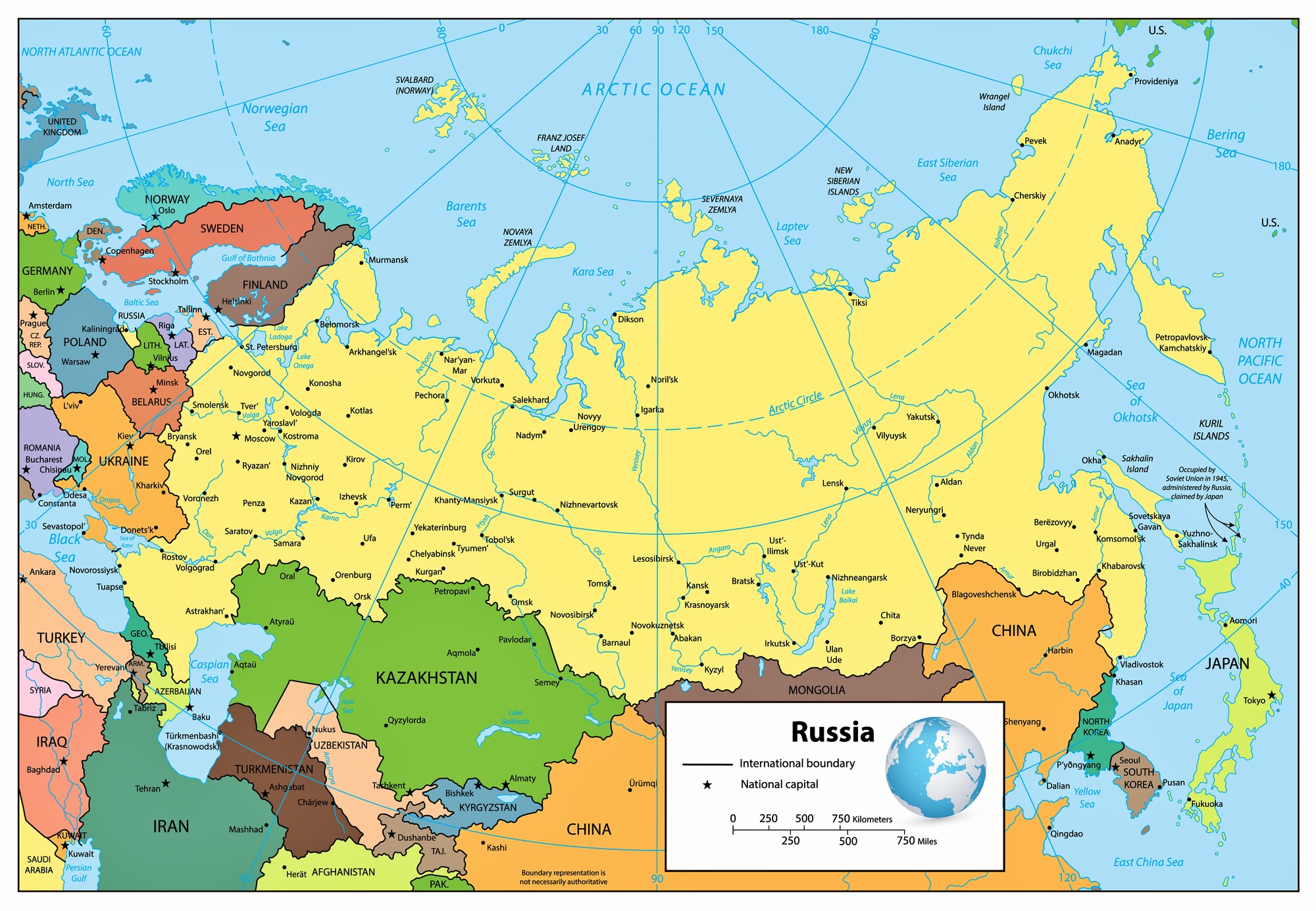
Behind the smiles lies an incredibly volatile gamble. The United States and Israel are actively engaged in a direct conflict with Iran. Trump has formally notified Congress that the U.S. is at war, triggering a 60-day window for military operations. Iraq, as always, is stuck right in the middle of this crossfire. Trump wants al-Zaidi to do what no Iraqi leader has ever accomplished: disarm the heavily armed, Iran-backed militias operating inside his own borders.
If al-Zaidi succeeds, it's a massive win for Washington. If he fails, Iraq could slide back into chaos, dragging U.S. forces right back into a bloody quagmire just as they are supposed to be packing their bags. As reported in recent coverage by The Washington Post, the effects are significant.
From Sanctioned Banker to the Savior of Baghdad
To understand why this meeting is so bizarre, you have to look at who Ali al-Zaidi actually is.
He is a businessman. He has zero political background. Iraqi insiders have even taken to calling him the "Trump of the Middle East" because of his brash corporate background and outsider status. But his financial history is messy.
Just two years ago, the Central Bank of Iraq banned al-Zaidi’s own financial institution, Al-Janoob Islamic Bank, from dealing in U.S. dollars. Why? Because the U.S. Treasury was putting immense pressure on Baghdad to stop money laundering and the illicit flow of funds straight into Tehran.
Yes, you read that right. The man Trump is embracing in the Oval Office was recently running a bank blacklisted by U.S. pressure for allegedly helping Iran.
Yet, Trump doesn't seem to care about that detail. Why? Because al-Zaidi represents a clean break from the old guard.
When Iraq's dominant political bloc—the Iran-aligned Coordination Framework—tried to push former Prime Minister Nouri al-Maliki back into power, Trump drew a hard line in the sand. He publicly threatened to cut off all U.S. aid to Iraq, saying the country would have "ZERO chance of Success, Prosperity, or Freedom" under al-Maliki.
Faced with financial ruin, the Iraqi parliament blinked. They dropped al-Maliki and chose al-Zaidi as a compromise candidate. He was sworn in on May 14, 2026, and Trump immediately hailed it as the beginning of a "tremendous new chapter".
The September 30 Deadline Looming Over Baghdad
The goodwill won't last long if al-Zaidi can't deliver on security.
Trump is demanding that Iraq disarm the various Shiite militias operating on its soil. Some of these groups have been launching drone and rocket attacks at American bases. Al-Zaidi wrote an op-ed in the Washington Post just before his trip, declaring that his government is committed to ensuring the state holds a "legitimate monopoly on the use of force".
He has set a firm deadline of September 30 for these armed groups to hand over their weapons.
That date is not a random choice. September 30 is also the exact day the U.S.-led military coalition is scheduled to end its mission in Iraq. Al-Zaidi is trying to paint this as a clean transition: the Americans leave, and the Iraqi state takes full control of its security.
It sounds great on paper. In reality, it is a logistical and political nightmare.
The most powerful militias have already stated they have absolutely no intention of disarming. They view themselves as the ultimate defense against Western influence and Israeli aggression. If al-Zaidi actually sends the Iraqi military to disarm these groups, they won't just surrender. They will fight back.
As Renad Mansour from Chatham House points out, if the Iraqi government goes after these militias, the militias might turn around and attempt to overthrow the government. Al-Zaidi is trapped. If he does nothing, Trump might slap crippling sanctions on Iraq or cut off military support. If he tries to force disarmament, he could spark a civil war on his own streets.
A Transactional Approach to Foreign Policy
Because al-Zaidi is a businessman, he thinks he can buy his way out of this diplomatic corner. He brought a massive delegation of Iraqi business leaders and executives with him to Washington. He wants to shift the entire conversation away from military conflict and toward economic deals.
His pitch to Trump is simple: let's make a deal.
The most ambitious proposal on the table is a massive oil-for-electricity fund. Iraq relies heavily on Iranian energy imports just to keep its power grid running, which infuriates Washington. Under the new proposal, Iraq would deposit 500,000 barrels of crude oil per day into a specialized fund. In exchange, American companies would get lucrative contracts to rebuild Iraq's crumbling electrical grid, effectively cutting Iran out of the equation.
It is the exact kind of transactional diplomacy that Trump loves. It creates jobs for American companies, uses oil as collateral, and punishes Iran all at the same time. Since April, Iraq has already signed several major agreements with U.S. oil companies.
But economic promises cannot mask the structural rot inside Iraq. The country is still plagued by systemic corruption and terrible infrastructure. While al-Zaidi has made a public show of arresting corrupt officials from previous administrations, many suspect this is just a political purge disguised as reform.
What Happens Next
This Washington visit is a high-wire act. Al-Zaidi needs U.S. investment to save an economy crippled by the wider Middle East war and the closure of the Strait of Hormuz. Trump wants a quick foreign policy victory that proves his aggressive stance on Iran is working.
But the clock is ticking loud and clear toward September 30.
Watch how the Trump administration handles the upcoming troop withdrawal details. If Trump begins delaying the exit of U.S. personnel, it means Washington does not trust al-Zaidi's ability to keep the peace. Conversely, keep an eye on Baghdad. If al-Zaidi fails to make a dent in the militia network over the next few weeks, expect the U.S. Treasury to start targeting Iraq's financial sector with heavy sanctions once again. The corporate charm offensive is officially over; now comes the hard part.
Al Jazeera report on Iraqi PM Al-Zaidi's high-stakes US trip
This video provides critical, boots-on-the-ground context regarding the economic pressures facing Iraq's new prime minister and how the impending September troop withdrawal deadline is shaping his diplomatic strategy in Washington.