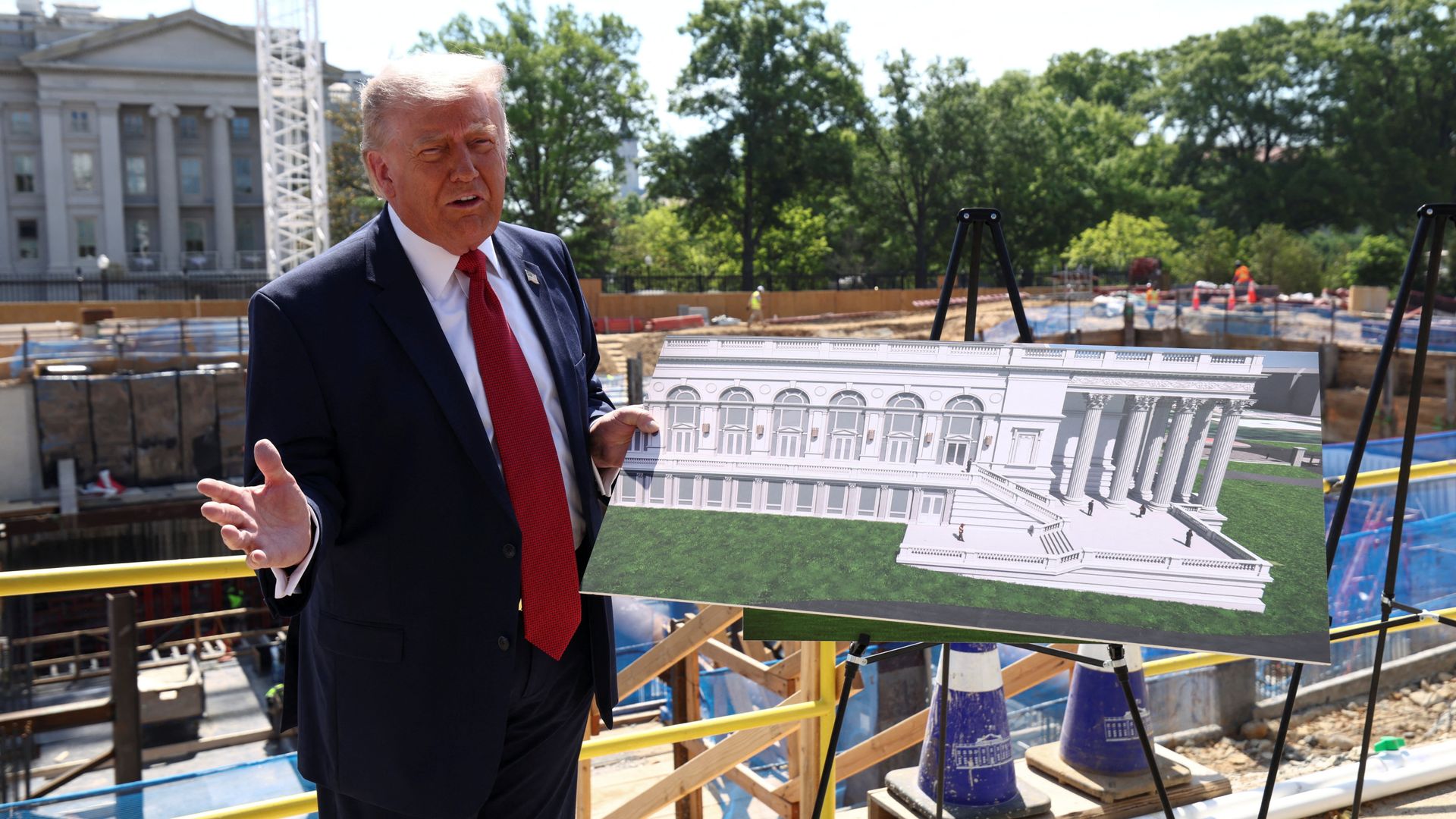
Presidents come and go, but the White House stays. A federal appeals court just made sure everyone remembers that rule.
The U.S. Court of Appeals for the District of Columbia Circuit voted 2-1 to block the Trump administration from moving forward with above-ground construction on a $400 million ballroom. This massive 90,000-square-foot project sits right on the footprint of the historic East Wing, which was torn down last year. In related updates, take a look at: Why India Keeps Sending Emergency Relief Cargo To Nepal.
If you think this is just standard political bickering, look closer. It's a fundamental fight over executive power.
The Core Conflict Over Presidential Overreach
The National Trust for Historic Preservation didn't hesitate. They sued the administration after bulldozers rolled in without getting a green light from Congress. The Washington Post has provided coverage on this important issue in great detail.
Judges Patricia Millett and Bradley Garcia didn't mince words in the majority opinion. They wrote that every president acts as a temporary tenant rather than the owner of the White House. They also emphasized that deciding whether to build a massive new wing belongs strictly to the legislative branch.
Executive self-help doesn't cut it here. You can't just bypass Capitol Hill because you want a grand space for formal functions.
Security Upgrades Versus Hospitality Plans
The administration tried defending the project using national security arguments. Government lawyers pointed out that underground work includes critical safety features like bunkers and protection from drones or biohazards.
Lower court rulings handled this distinction carefully. U.S. District Judge Richard Leon previously permitted the heavy underground security fortifications to continue. However, he drew a hard line against the luxury hospitality space built right on top.
This latest appeals court order upholds that exact restriction. Below-ground defense work can crawl forward, but the grand ballroom structure cannot.
What Happens Next
The appeals panel put its ruling on hold for a brief 14-day window. This gives the administration just enough time to take the fight straight to the Supreme Court.
Donald Trump slammed the decision on social media, calling it completely wrong and arguing that halting the project jeopardizes worker safety. Meanwhile, Trump-appointed judge Neomi Rao dissented from her colleagues, backing the administration's claims of authority.
Expect emergency filings in the coming days. The legal battle over executive architecture is heading to its highest test yet.
Trump's $400M White House ballroom faces fresh legal fight; Court weighs National security concerns
This video provides an overview of the legal arguments surrounding the security concerns and construction disputes tied to the White House ballroom project.
http://googleusercontent.com/youtube_content/1