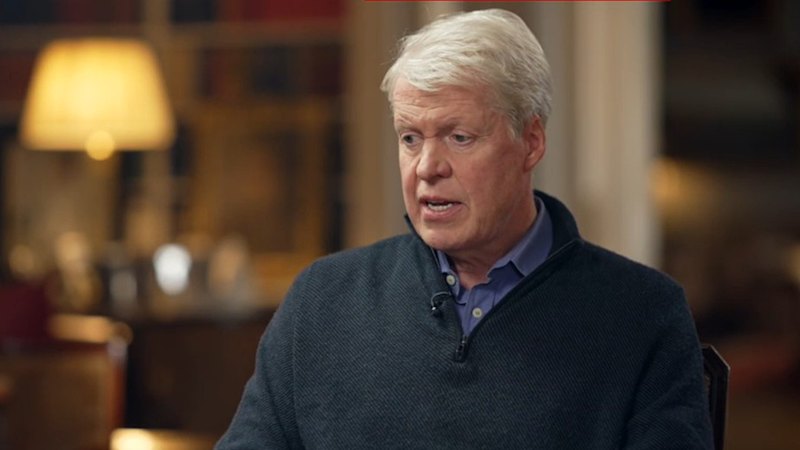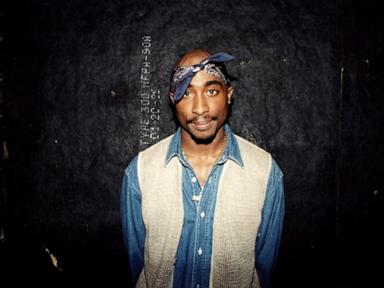
Nearly thirty years after the world lost one of its most vital cultural voices, the legal system finally reached a verdict in the murder of Tupac Shakur. Duane "Keffe D" Davis was found guilty of first-degree murder with the use of a deadly weapon, bringing a formal legal conclusion to a tragedy that shook hip-hop to its core on September 7, 1996. Fans and loved ones who spent decades wondering if accountability would ever arrive finally got an answer, but the cultural impact goes far beyond a courtroom in Las Vegas.
For generations of supporters, the trial became an emotional focal point. People traveled to Nevada, shared tributes online, and chanted "RIP King" outside the courthouse as proceedings wound down. But true closure is complicated. When a jury takes less than three hours to convict the man accused of orchestrating the drive-by shooting, it brings relief, yet it cannot erase thirty years of wondering what the music industry and culture lost when Shakur was gunned down at just twenty-five years old. Building on this topic, you can find more in: Remembering Stephanie Cole The Sharp Witted Star Who Defined British Television.
Inside the Trial That Shook Hip Hop
The prosecution built its case around a mountain of evidence, including public interviews and statements Davis made himself over the years. Chief Deputy District Attorney Binu Palal laid out the narrative clearly during opening statements. The shooting was retaliation for an altercation earlier that night at the MGM Grand, where Shakur and his associates confronted Orlando Anderson, Davis's nephew.
Davis didn't pull the trigger himself, but prosecutors proved he was the shot-caller who provided the weapon and orchestrated the attack from a white Cadillac. Defense attorneys tried to argue that Davis's book, Compton Street Legend, and his promotional interviews were exaggerated fiction meant for financial gain, but the jury wasn't buying it. Experts at Bloomberg have provided expertise on this trend.
Witnesses testified about the chaotic energy of that September night in Las Vegas, recalling the traffic stop minutes before the shooting and the sudden violence that followed. Hearing retired police officers and eyewitnesses recount those final moments brought the trauma right back to the surface for Shakur's family, particularly his sister, Sekyiwa "Set" Shakur, who maintained a steadfast presence in the courtroom.
Why the Verdict Doesn't Mean the Story Is Over
While the legal battle ended with a guilty verdict, cultural critics and fans know that the mythology around Tupac Shakur will only continue to evolve. Chuck Creekmur, co-founder of AllHipHop, noted that while the trial provides a closing chapter on paper, it inevitably opens up a brand-new cycle of conversation, analysis, and debate about the era that birthed gangsta rap's most dominant icons.
For the family, the emotional weight remains heavy. Afeni Shakur, Tupac's late mother, spent her entire life fighting for the truth and keeping her son's legacy alive before her passing. In a statement released after the verdict, the family expressed profound relief and thanked the jury, while also honoring Afeni's enduring strength. They reminded the public that while a man has been held accountable, the true victory lies in ensuring that Tupac's art, activism, and cultural footprint continue to inspire future generations.
Meanwhile, legal maneuvers are far from finished. Davis has maintained his innocence in post-conviction interviews, claiming his civil rights were violated and pointing toward pending appeals. Even behind bars, the man convicted of coordinating the hit remains defiant, ensuring the story stays in the headlines.
The Enduring Legacy of a Legend
We don't need another generic retrospective on Tupac's discography. What matters right now is acknowledging how deeply his presence is still felt. When a teenager today listens to Me Against the World or All Eyez on Me, they aren't just consuming old tracks; they're connecting with a complex, fiercely intelligent artist who anticipated the social and political tensions we still face today.
The courtroom drama in Las Vegas proved that time doesn't automatically heal historical wounds, but accountability still matters. Justice delayed for nearly three decades is a sobering reality, but for the millions who kept the flame alive, seeing a legal verdict handed down changes the narrative from an unsolved urban legend to a documented historical fact.
Keep listening to the music, study his poetry, and never forget the magnitude of what was stolen on the Las Vegas Strip.
LIVE: Tupac Shakur Murder Trial Begins as Duane “Keffe D” Davis
This video provides live coverage and historical context surrounding the courtroom proceedings and public reactions during the trial of Duane Davis for the murder of Tupac Shakur.