Bureaucracy kills. Sometimes it does so quietly through a leaked spreadsheet. When a single Ministry of Defence official accidentally exposed the personal data of over 18,000 Afghans who worked alongside British forces, the fallout wasn't just an administrative blunder. It turned into a multi-year security crisis that put thousands of vulnerable lives directly in the crosshairs of the Taliban.
A parliamentary inquiry from the Commons Defence Committee didn't mince words. They called the incident a foreseeable systemic failure rather than a simple human error. They are right. When you run high-stakes international rescue operations using loose tools and closed-door secrecy, disasters happen.
How a Simple Spreadsheet Sparked a National Scandal
Let's look at the mechanics of the screw-up. Back in February 2022—just six months after the chaotic fall of Kabul—an official meant to share details for roughly 150 applicants under the Afghan Relocations and Assistance Policy (ARAP). Instead, they sent a file containing hidden data spanning 18,714 individuals. Names, phone numbers, locations, and sensitive support records went out to a third party outside secure government networks.
Worse yet, the spreadsheet didn't just contain interpreters and contractors. It also held the details of British special forces personnel and intelligence officers who backed those applications.
The government realized the scale of the leak in August 2023 when portions popped up on Facebook. Instead of transparently fixing the mess, authorities secured an unprecedented super-injunction to keep the public and Parliament in the dark. That gag order lasted for years, acting as a shield for institutional embarrassment while Afghan allies lived under a silent, mounting threat.
Why the Official Response Fell Short
Cover-ups rarely age well. The previous administration spun up a secret relocation route to quietly pull endangered people out of Afghanistan without admitting the scale of the original leak. Millions upon millions of pounds flowed into emergency rescue operations, yet transparency stayed locked away.
MPs on the Defence Committee pointed out that the Ministry of Defence treated secrecy as a tool for avoiding accountability. They lacked the core expertise to manage complex resettlement schemes and relied on outdated habits—like using vulnerable Excel files for life-or-death data tracking.
You can't hide systemic rot behind a court-ordered super-injunction forever. Once the courts lifted the restrictions, the true depth of the incompetence came to light, exposing nineteen separate data security incidents within a narrow window.
The Human Cost of Institutional Blind Spots
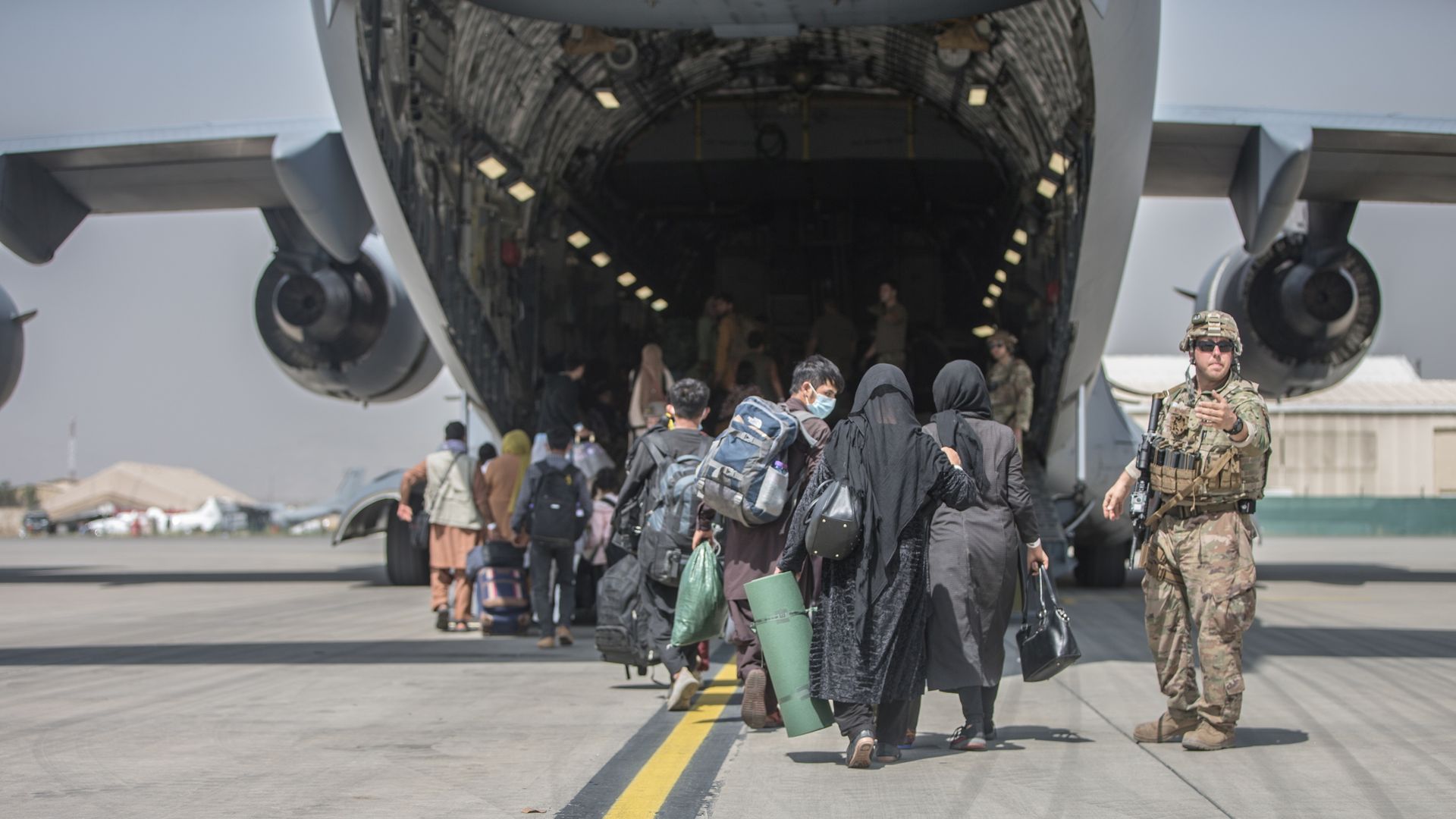
Numbers on a page lose their punch until you remember who these people are. These are interpreters, guides, and civil servants who trusted the British flag. They stayed loyal while Western troops pulled out. When the regime changed, their reward was administrative negligence that handed their identifiers to a hostile regime.
Even now, critics argue that current self-move arrangements leave many eligible applicants stranded, broke, or trapped without viable legal pathways out of danger zones. Accountability remains minimal. The official who hit send on that career-ending email left their post without facing criminal charges.
Moving Past Performative Secrecy
National security demands discretion, but it shouldn't serve as a blanket excuse for administrative incompetence. When public bodies handle human lives, data protection protocols need to be ironclad. Relying on makeshift spreadsheets and hoping mistakes won't surface on social media is a strategy for failure.
Fixing defense procurement and civil service data handling requires a cultural overhaul. Stop burying systemic failures under legal gags. Audit the tools your staff use every day, enforce strict digital hygiene, and own up to mistakes before they cost human lives.
British spies exposed in Afghan data breach
This video provides additional context regarding how details of British intelligence and special forces personnel became entangled in the massive Ministry of Defence data leak.
http://googleusercontent.com/youtube_content/1