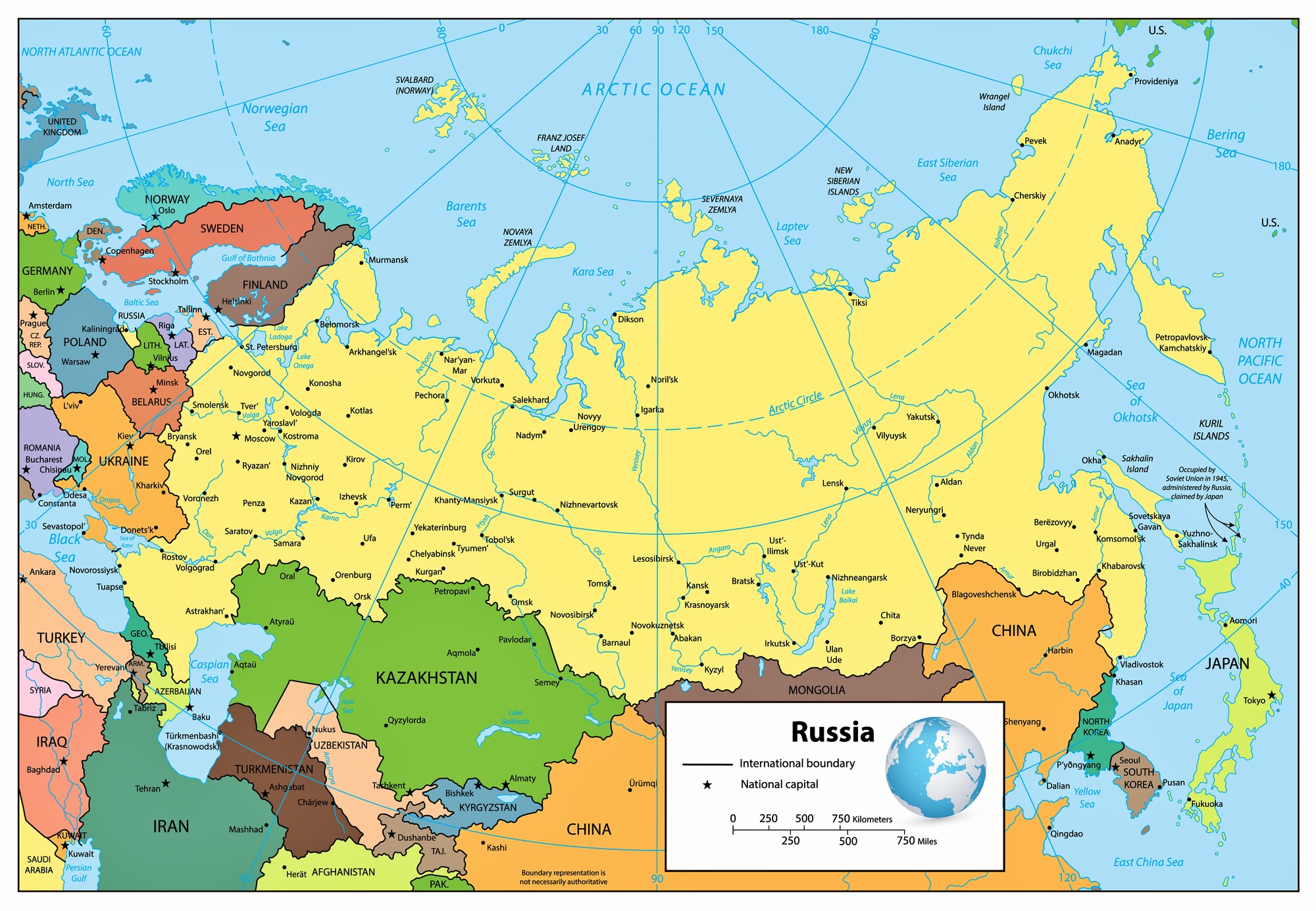
Distance used to be Russia's ultimate shield. Not anymore. When Ukrainian long-range drones struck the massive Lukoil-Permnefteorgsintez oil refinery in Perm, they didn't just hit a factory—they shattered the illusion of geographic immunity deep inside Russian territory.
We are talking about a location roughly 1,500 kilometers away from the Ukrainian border. That is deep inside the Ural Mountains region, far past the standard zones of immediate front-line conflict. President Volodymyr Zelensky didn't shy away from the milestone either, openly praising the operation and emphasizing that long-range tactics are bringing the direct consequences of the war right back to the aggressor's home turf.
If you've been following how modern drone warfare has evolved, this strike isn't a random outlier. It's part of a calculated, systematic strategy to squeeze Moscow where it hurts most: the ledger.
Inside the Perm Refinery Strike
Let's look at the target itself. The Lukoil-Permnefteorgsintez plant is not a minor depot or a local fueling station. It's one of Russia's largest and most technologically advanced oil-refining enterprises, churning out over 13 million metric tons of crude oil annually. It produces everything from diesel and aviation fuel to lubricants that feed Russian military logistics and civilian markets alike.
Local residents in Perm reported a series of sharp explosions overnight, followed by thick plumes of black smoke billowing into the sky. Open-source intelligence channels and independent Russian media quickly geolocated the footage, confirming fires breaking out near primary processing units. Meanwhile, authorities scrambled to implement temporary flight restrictions at the nearby Bolshoye Savino Airport before trying to restore a sense of normal operations.
The Russian Defense Ministry claimed its air defenses intercepted hundreds of drones overnight, but the visible fires and subsequent fuel supply disruptions tell a different story.
Why Energy Infrastructure Is the Real Battleground
Military analysts often obsess over tanks, artillery shells, and infantry movements. But modern wars run on fuel and cash. Russia’s economy relies heavily on oil revenue to bankroll its military operations.
By systematically targeting facilities like the Perm refinery, the Taneco plant in Tatarstan, and various storage terminals, Kyiv is executing a two-pronged strategy:
- Choking Military Supply Chains: Refineries supply the petroleum products required to keep Russian fighter jets, tanks, and transport trucks moving.
- Starving the War Chest: Every billion rubles spent repairing a primary processing unit is money diverted away from the front lines.
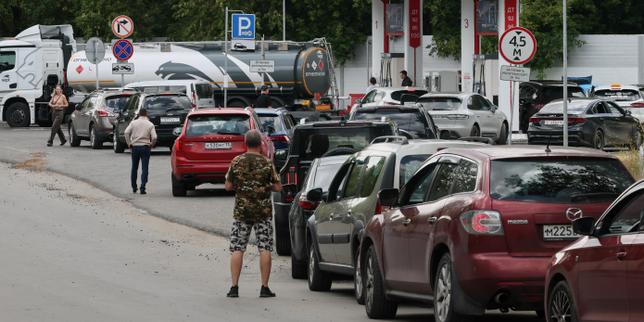
Domestic fuel shortages inside Russia have already started creeping into major regions, forcing authorities to grapple with rationing and price hikes. When local fuel crises hit home, the abstract concept of a distant "special military operation" turns into a daily reality for ordinary citizens.
The Reality of Deep-Strike Warfare
Hitting a target 1,500 kilometers away requires serious technological adaptation, precision navigation, and evasion of dense air defense grids across multiple Russian oblasts. Ukraine's domestic defense tech sector has scaled up production of long-range unmanned aerial systems precisely for this reason.
Airfields like Marinovka in the Volgograd region and staging grounds in Primorsko-Akhtarsk have also faced similar punishing strikes recently. This isn't just about scoring symbolic victories for evening news broadcasts. It's about systemic attrition.
Moscow's air defense network cannot be everywhere at once. Spreading resources thin to protect thousands of miles of critical energy infrastructure creates exploitable gaps. As long as the conflict drags on, expect these deep strikes to become bolder, more frequent, and increasingly difficult for the Kremlin to sweep under the rug.
Monitor how regional fuel prices fluctuate across Russian domestic markets over the coming weeks to gauge the real economic impact of these industrial operations.