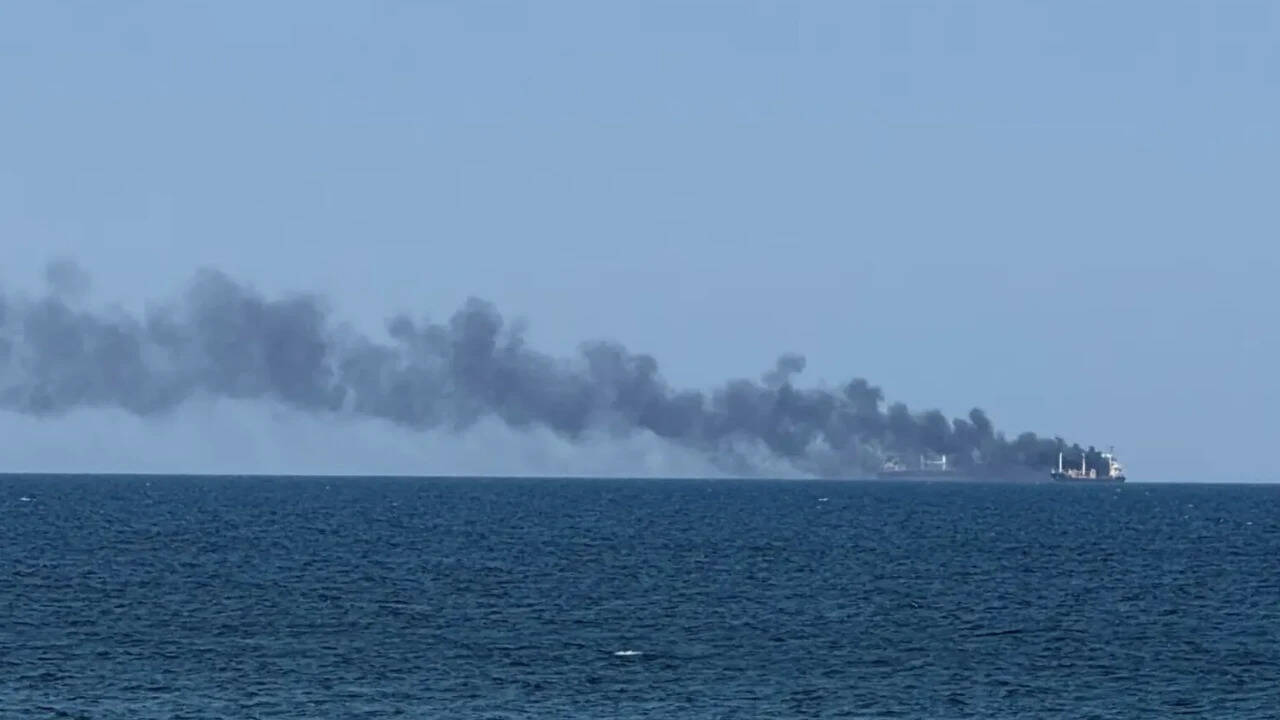
The Black Sea is burning, and both Kyiv and Moscow are feeling the heat. Ukraine has quietly pitched a temporary halt to military strikes targeting civilian shipping and ports in the region. It is a pragmatic move designed to rescue a crumbling agricultural export economy, but Moscow's initial silence speaks volumes.
If you look past the headlines, this isn't just about sudden goodwill. It is about cold, hard survival. Ukrainian grain exports plummeted by 76% year-on-year in August, throttled by an intense campaign of Russian strikes on Odesa, Chornomorsk, and Pivdenne. At the same time, Kyiv's own maritime drone campaigns have proven that Russia's critical trade infrastructure isn't untouchable. A recent coordinated strike on the Novorossiysk terminal forced Moscow to temporarily shut down operations, proving the shipping squeeze hurts both sides of the conflict. Recently making waves recently: Why Moscow Blaming The Uk For Election Day Cyber Attacks Misses The Point Completely.
The Mechanics Behind the Proposed Moratorium
Kyiv transmitted the truce offer through an unnamed third party rather than opening direct talks. The proposal focuses entirely on suspending attacks on civilian merchant vessels, grain carriers, and port facilities.
Why go this route? Because alternative routes simply do not cut it. While Ukraine has tried pushing grain through Danube river ports and overland rail networks, these logistical workarounds cannot handle the massive volume required to keep the country's farm sector afloat. Roughly 90% of Ukraine's agricultural bounty historically moves via Black Sea maritime lanes. Without open ports, silos overflow, farmers face financial ruin, and global food markets twitch with anxiety. More details into this topic are explored by The Washington Post.
Why Moscow Is Hesitating
The Kremlin isn't biting yet, and Russian officials have publicly downplayed the existence of any formal proposals through official diplomatic channels.
Russian foreign ministry representatives have openly dismissed temporary truces, arguing that Kyiv is merely seeking breathing space to regroup. From Moscow's perspective, controlling or disrupting the Black Sea remains a primary economic lever. Furthermore, Russia has its own grievances regarding international agricultural sanctions, repeatedly claiming that previous agreements failed to benefit its own fertilizer and grain shipments equally.
Turkey has stepped up diplomatic efforts, urging both sides to accept a regional moratorium to protect international supply chains. Ankara knows that any prolonged standoff in these waters threatens wider regional stability and spikes global food inflation. Yet, regional mediation faces an uphill battle when trust is entirely absent.
What Happens Next for Global Markets
Traders noticed the proposal immediately. European wheat futures pulled back from recent two-week highs the moment news of the backchannel talks leaked, demonstrating how tightly global food security remains tied to these contested waters.
If Moscow rejects the overture outright, expect grain prices to climb again and maritime insurance rates for any vessel daring to sail near the region to skyrocket. Kyiv will likely double down on asymmetric naval drone strikes to disrupt Russian export terminals in retaliation.
The proposal sits on the table, waiting for a definitive answer that might take weeks to materialize, or never come at all. Keep your eyes on port traffic data out of Novorossiysk and Odesa rather than official statements. Ships moving or staying put will tell you the real story long before diplomats do.