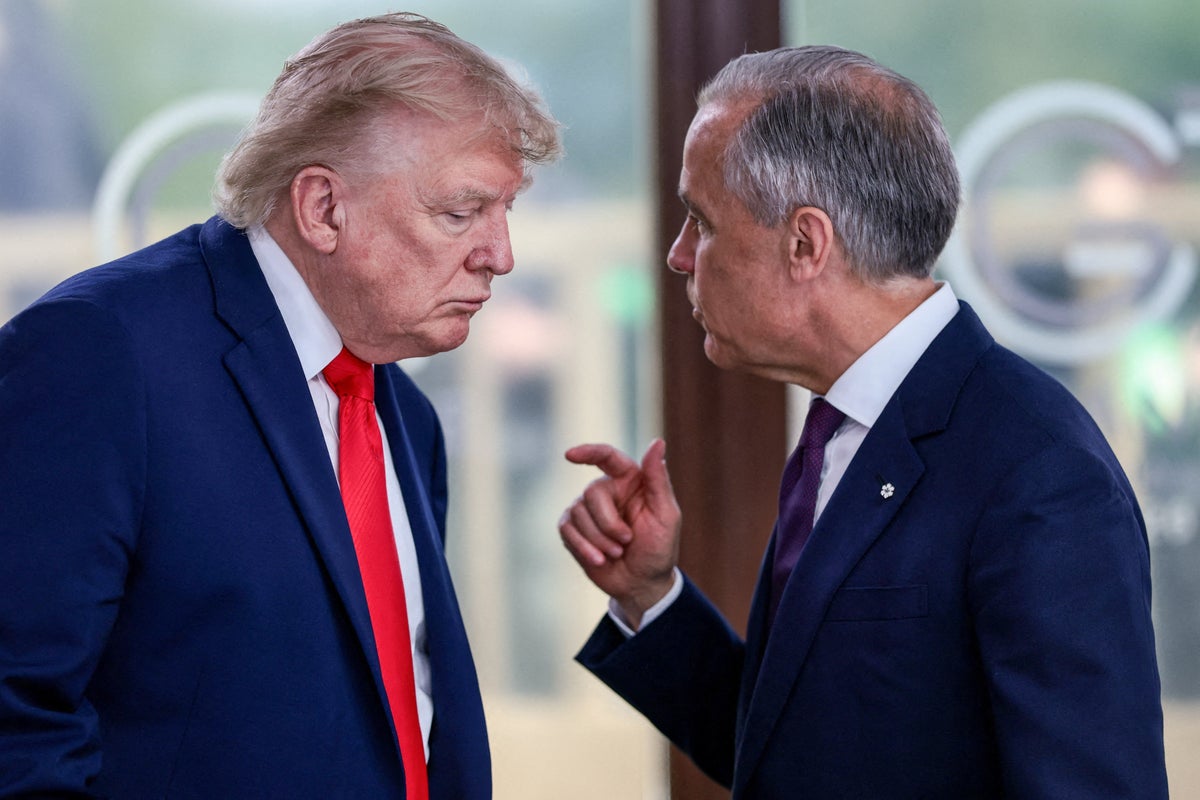
The longest-standing alliance in North America is officially cracking under the weight of a brutal trade fight. If you thought cooler heads would prevail between Washington and Ottawa, think again. President Donald Trump's administration pushed ahead with punishing 50% tariffs on roughly $20 billion worth of Canadian goods after last-minute negotiations collapsed.
Prime Minister Mark Carney didn't blink. He announced that Canada is suspending trade talks and will match the American levies "dollar for dollar" to shield domestic workers and businesses. The era of quiet, predictable cross-border cooperation is dead. Both countries are staring down a punishing tit-for-tat escalation that goes far beyond standard economic posturing.
What Triggered the Collapse
The breakdown happened after three days of frantic talks in Washington involving Canadian trade officials and U.S. Trade Representative Jamieson Greer. Both sides had previously floated frameworks to dial back tensions—including trimming U.S. tariffs on Canadian-built vehicles down to 15% and lowering duties on steel and aluminum to 25%.
In exchange, Washington demanded that Ottawa strip away retaliatory measures, specifically provincial bans on American alcohol and long-standing protections on Canada's dairy market.
The deal imploded because of late-stage adjustments. Carney called the final terms offered by the White House unfair and uneconomic, claiming they pulled the rug out from under the progress made earlier in the week. On the other side, American trade officials accused Ottawa of walking back commitments and backing away from the table at the eleventh hour.
Why This Trade War Feels Different
We've seen trade squabbles between these neighbors before. Softwood lumber and dairy disputes used to be routine diplomatic friction. This time, the hostility runs deeper.
The U.S. levies rely on Section 338 of the Tariff Act of 1930—a Depression-era law allowing penalties of up to 50% against countries accused of discriminating against American commerce. Crucially, products complying with the Canada-United States-Mexico Agreement (CUSMA) lost their exemptions. Items ranging from plywood and cement to wine, electrical equipment, and hockey sticks are hit directly.
Carney made it clear that Ottawa isn't waiting around for Washington to soften its stance. He stated publicly that Canada recognized early on that America under Trump has fundamentally changed its approach to global trade. You're looking at a permanent shift in how these economies interact, meaning businesses can no longer bank on a return to frictionless borders.
The Economic and Political Fallout
Consumers on both sides of the border will foot the bill. American importers face steep costs that they are bound to pass down to shoppers already stretched thin by inflation. Meanwhile, Canadian industries dependent on access to the massive U.S. market face an immediate shock.
The political pressure is intense. Public frustration in Canada has boiled over in recent months, with widespread backlash against American political rhetoric and diplomatic moves. Carney's response aims to project strength, signaling that Ottawa won't accept terms dictated under threat.
Where Canada Goes From Here
Ottawa is accelerating plans to look elsewhere for economic survival. Carney pointed to ongoing efforts to build domestic industrial strength, push forward major infrastructure investments, and diversify trade partners beyond the United States. Canada already maintains free trade agreements granting access to billions of consumers worldwide, and the government plans to double down on those markets.
If you run a business or manage supply chains tied to North American cross-border shipping, stop planning for a quick diplomatic fix. Diversify your logistics networks immediately, re-evaluate your exposure to Section 338 tariff categories, and build contingency pricing models to absorb sudden cost fluctuations.