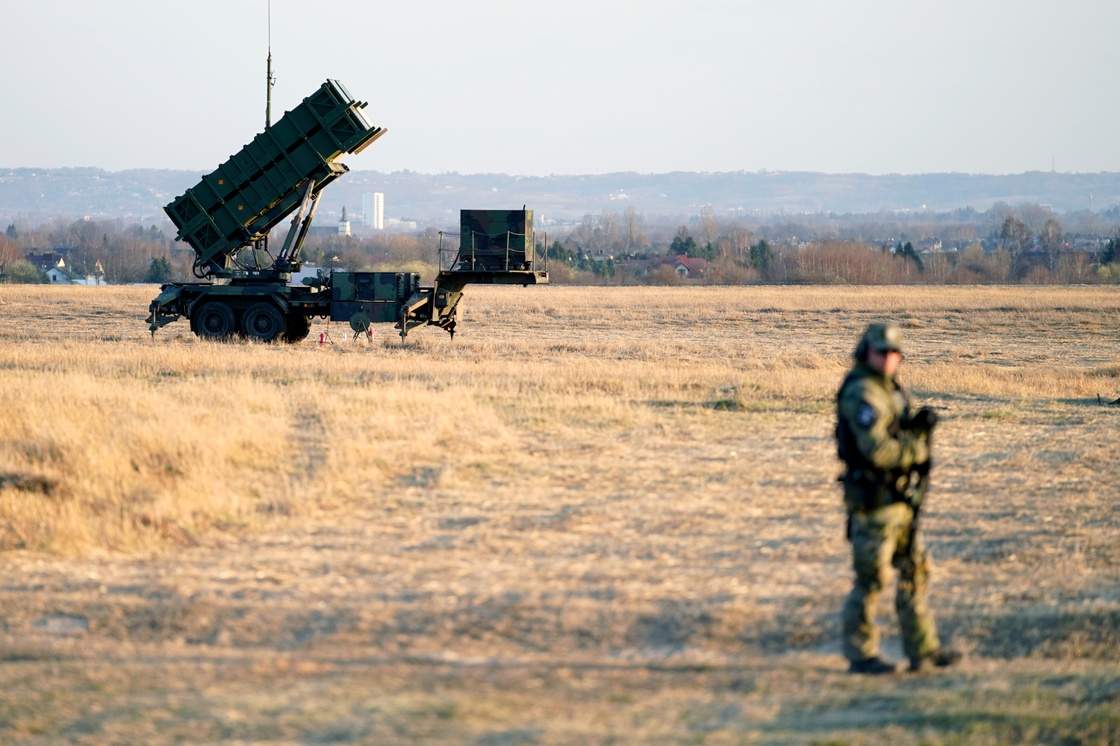
You run out of ammunition, the entire strategic calculus changes. That is the hard reality facing Western defense planners right now. U.S. Patriot missile stocks have plummeted to levels described by insiders as beyond critical, driven heavily by months of relentless expenditure in the Middle East conflict.
When a superpower starts sweating over its missile inventory, you know the defense industrial base has broken down. Let's look at why this happened, what it means for NATO, and why fixing it will take years.
The Middle East Burn Rate
Wars eat munitions at an alarming rate. When conflicts flare up, defense departments burn through high-end interceptors faster than assembly lines can churn them out.
Consider the numbers cited by defense analysts at the Center for Strategic and International Studies. The ongoing conflict with Iran has drained roughly 65 percent of American Patriot interceptors, chewing through about 1,500 missiles out of a total estimated stockpile of 2,330.
Think about that math. You fire hundreds of million-dollar missiles to swat down cheap drones and ballistic weapons, and suddenly your strategic reserves look barren.
The European Vulnerability Gap
European defense is built on a massive assumption. Leaders assume that if a high-end conflict breaks out, American air defense systems will backstop the continent.
That assumption is cracking.
With European stockpiles bled dry to support allies and manage Middle East flashpoints, NATO's frontline states face a glaring vulnerability. If a hostile power launches a high-speed ballistic missile attack against critical infrastructure or command hubs, local forces lack the interceptors to stop every incoming threat.
Defense experts note a bizarre scenario playing out in countries like Germany. Nations spend billions buying advanced Patriot battery systems, only to find themselves sitting on hardware with empty magazines. You bought the launcher, but you forgot the bullets.
Manufacturing Bottlenecks and Long Horizons
Why can't Lockheed Martin just build more? Manufacturing complex interceptors isn't like baking bread. It takes specialized supply chains, rare materials, and stringent quality control.
Current production targets sit at roughly 600 missiles per year, with hopes of scaling up to 2,000 annually by 2030. That is years away. Until those new assembly lines ramp up—including Europe's upcoming production facility in Germany—inventories will remain painfully thin.
Russia watches these metrics closely. Even though Moscow faces its own hardware constraints due to the prolonged war in Ukraine, the knowledge that Western air defense inventories are depleted alters geopolitical deterrence.
What Defense Planners Must Do Now
You cannot wish inventory into existence. Military leaders face a stark set of choices.
- Prioritize production lines by cutting bureaucratic red tape for defense contractors.
- Shift reliance toward cheaper electronic warfare and kinetic counter-drone systems to preserve high-end interceptors for ballistic threats.
- Accelerate testing and deployment of alternative air defense systems like Europe's SAMP/T platforms to share the load.
The myth of infinite American military supply has met reality. Fixing the gap requires hard choices, massive capital, and a complete rethink of how fast modern militaries burn through their most valuable weapons.