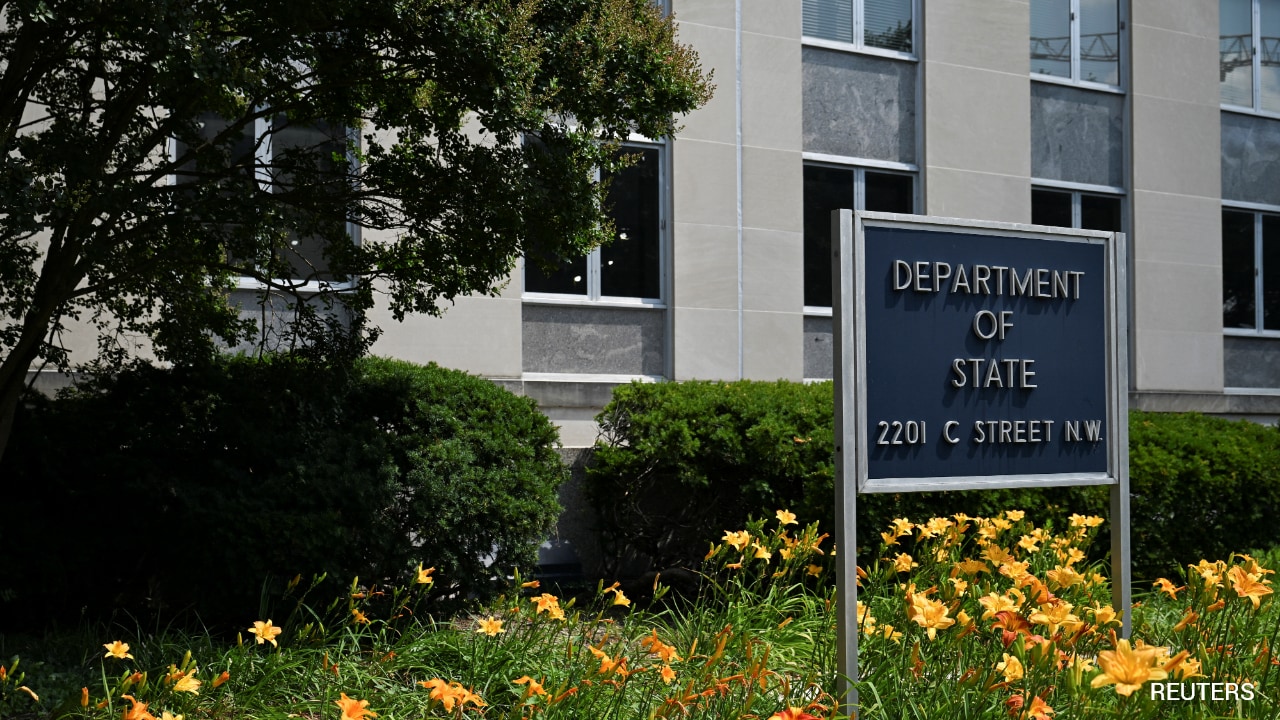
The United States is quietly shrinking its diplomatic footprint overseas. Five specific foreign missions are on the chopping block.
If you have been tracking Washington's budget battles, this news isn't entirely shocking, but it is rare. Shuttering multiple diplomatic posts outside of a direct warzone or active geopolitical crisis almost never happens. Yet, confidential notices sent to congressional committees reveal that the State Department plans to close posts in Winnipeg, Canada; Nagoya, Japan; Medan, Indonesia; Douala, Cameroon; and St. George's, Grenada.
Why now? Let us look at what is driving these cuts and what they actually mean for international relations.
Inside the Congressional Notice
The recent notifications caught lawmakers off guard. The State Department dropped the news late in the week, briefing specific congressional committees quietly. Because the plan wasn't initially public, sources spoke on condition of anonymity.
The targeted locations span different continents and carry varying strategic weights. Winnipeg handles significant cross-border matters in Canada. Nagoya serves a vital industrial hub in Japan. Medan acts as a key regional post in Indonesia. Douala functions as an embassy branch office in Cameroon, while St. George's hosts the US embassy in Grenada.
These aren't massive central embassies in capital cities. These are regional consulates and smaller branch offices designed to manage local trade, visa services, and bilateral ties outside the primary seat of government.
The Politics Behind the Downsides
This move didn't materialize out of thin air. Backed by the ongoing "America First" policy push, the current administration has spent months scrutinizing federal spending.
Earlier budget discussions by the White House Office of Management and Budget initially floated cutting nearly 30 overseas missions. While Secretary of State Marco Rubio and top officials dialed back that massive target, the mandate to trim fat remains active. Proponents of the closures argue that smaller, regional posts are outdated, financially inefficient, and no longer justify their upkeep in an era of digital diplomacy and centralized mega-embassies.
Critics see it differently. Former foreign policy officials and opposition lawmakers warn that pulling back from strategic regions creates dangerous vacuums. While China maintains zero footprint in places like Winnipeg or Douala, Beijing has established presences in Nagoya, Medan, and St. George's. Handing over local diplomatic real estate and influence to global rivals is a gamble that many national security experts hate to see.
What Happens to Local Services and Staff
Closing a consulate isn't like locking up an empty office. It upends local economies, disrupts visa processing for regional citizens, and leaves expats stranded without local emergency consular support.
When a post like the consulate in Nagoya or Winnipeg closes, its remaining responsibilities shift elsewhere. Usually, the workload gets dumped onto the main US embassy located in the country's capital—Tokyo or Ottawa, in these specific cases.
For you as a traveler, business owner, or citizen living abroad, this means longer wait times. If you need a passport renewal, emergency assistance, or notary services while living far from a capital city, your travel burden just got heavier. Centralization saves Washington money upfront, but it shifts the logistical nightmare onto everyday people who rely on these regional offices.
The Broader Shift in American Diplomacy
Foreign policy shifts rarely happen overnight. Under previous administrations, the US actually expanded its footprint in specific zones, particularly opening new missions across the Pacific to counter Chinese influence.
Now, the pendulum is swinging back toward consolidation. The State Department already overhauled internal bureaucracy last year, slashing dozens of bureaus and hundreds of administrative jobs. Shuttering actual physical posts takes that downsizing strategy from Washington offices out into the real world.
Expect pushback from Congress as these closures move forward. Lawmakers representing specific districts with economic ties to these regions will voice their concerns, and local business groups will lobby to keep channels open.
Watch how the State Department handles the transition of duties to capital embassies. If backlogs pile up instantly, the cost-cutting argument will face an immediate stress test.