The headlines promised a quick fix, but six months into Operation Epic Fury, Washington is staring down a grueling geopolitical quagmire. When the Trump administration launched strikes following the assassination of Ayatollah Ali Khamenei, the underlying assumption was simple: maximum pressure would break Tehran's resolve. Instead, Tehran's response has been defiance, locking down the Strait of Hormuz and keeping global energy markets on edge.
If you're wondering why economic shocks are hitting your utility bills and fuel costs right now, you can trace it directly back to this escalating standoff. Let's look at what is actually happening on the ground, why traditional pressure tactics are failing, and how this conflict is reshaping global power dynamics.
The Reality of the Strait of Hormuz Chokepoint
A fifth of the world's oil moves through the narrow waters of the Strait of Hormuz. When Iran moved to restrict traffic, they handed themselves an immediate piece of strategic leverage.
Washington expected military dominance to quickly reopen the shipping lanes. That calculation ignored the sheer difficulty of securing a contested waterway against asymmetric threats like coastal cruise missiles and fast-attack drone boats. Benchmark crude prices remain roughly 25 percent higher than pre-conflict levels, sitting around $90 per barrel.
Data compiled by the Watson School of International and Public Affairs shows that energy inflation has already cost global consumers over $90 billion. In the US, average households have absorbed hundreds of dollars in extra fuel costs. Across the Atlantic, British families face similar pain after domestic energy price caps spiked, with economic analysts projecting billions wiped off GDP.
Why Pressure Isn't Working on Tehran
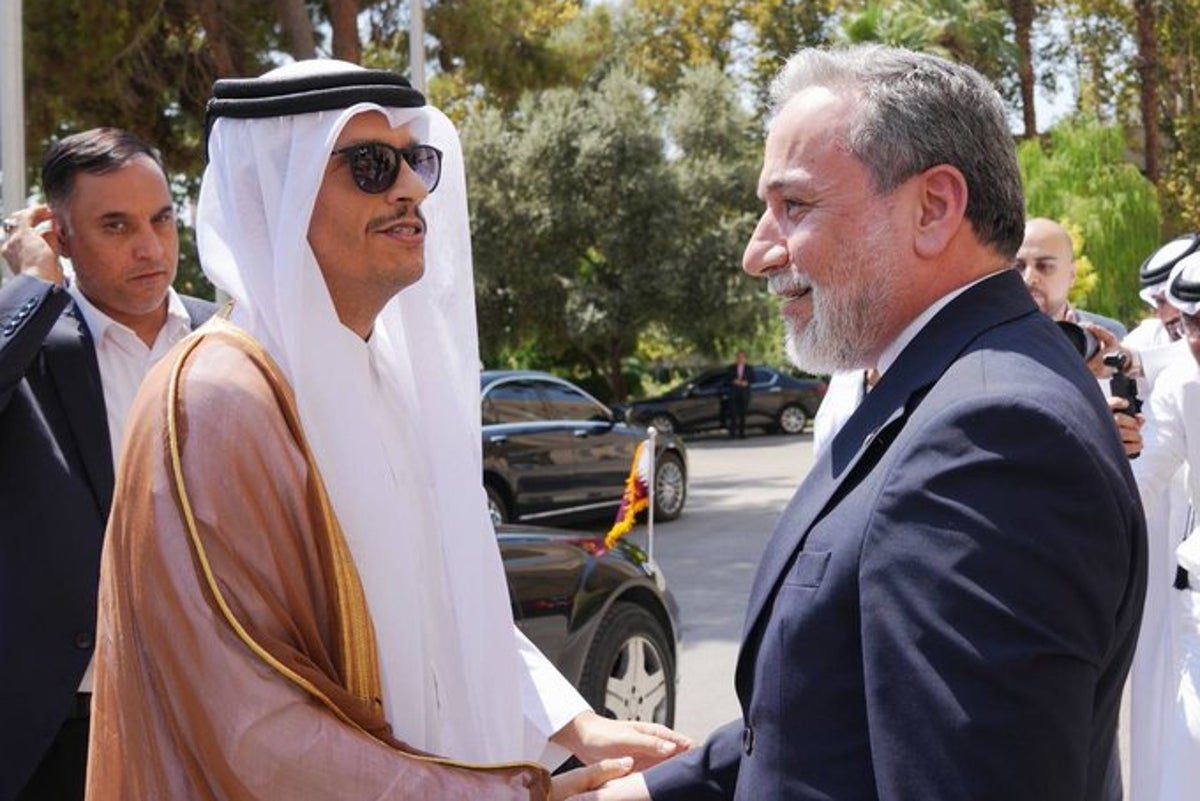
Tehran's official stance hasn't wavered. Following diplomatic engagements with regional actors like Qatar and talks involving Oman, Iranian leadership made it clear that economic coercion and military posturing won't force them to capitulate.
Why? Because the Iranian regime has spent decades organizing its state apparatus to survive under heavy sanctions. They view backing down as an existential threat. When foreign pressure ramps up, the internal political dynamics in Tehran tend to rally hardline factions rather than empower reformers.
Security analysts note that while US airstrikes degraded parts of Iran's military infrastructure, the core of the state's capabilities remains intact. Tehran's ability to project asymmetric power across the region has actually complicated Washington's broader foreign policy goals, especially at a time when military planners want to pivot resources toward Asia.
The Domestic Political Toll in Washington
Foreign policy decisions rarely stay isolated from domestic politics. As midterms approach, approval ratings for the current administration have dipped toward 33 percent, driven heavily by public frustration over stubborn inflation and broken campaign promises regarding foreign entanglements.
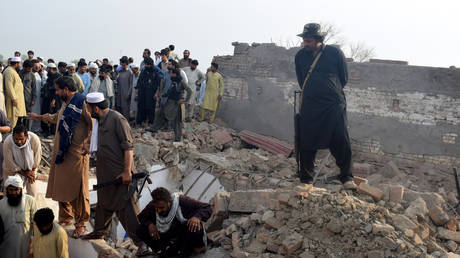
Support for military action has cratered, even among traditional party loyalists. When voters see gasoline prices climbing and hear reports of mounting casualties—with the Pentagon confirming dozens of service member deaths and hundreds of injuries—patience wears thin.
Lawmakers are scrambling to figure out an offramp. Yet finding a face-saving exit strategy is extraordinarily difficult when both sides have drawn hard red lines.
What the Experts Miss
Most mainstream commentary treats this conflict as a simple binary choice between total military victory and total defeat. That ignores how modern conflicts actually resolve.
The US has achieved tactical success in many individual engagements, but it has failed to secure strategic victory. Experts from institutions like Chatham House and King's College London point out that the administration misjudged the complexity of the Iranian state compared to smaller regional interventions.
To break the deadlock, Washington will likely have to redefine what victory looks like. This means shifting away from expecting unconditional surrender and moving toward a managed containment strategy that secures baseline navigation rights without requiring a massive, permanent troop commitment in a hostile zone.
Keep a close eye on upcoming diplomatic channels through neutral Gulf intermediaries. If a pragmatic backchannel opens up, it will happen quietly long before any official announcements are made in Washington or Tehran. Track local energy futures and monitor regional shipping insurance rates, as these metrics will signal a cooling-off period well ahead of the political headlines.