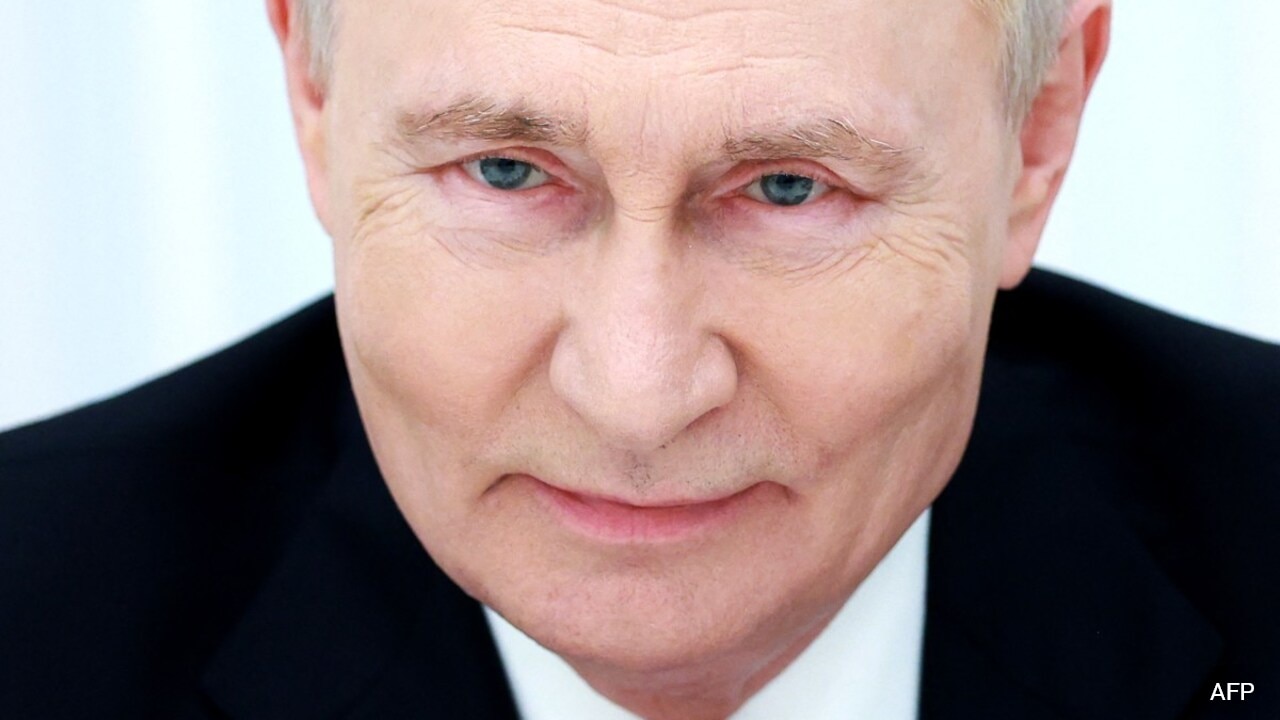
We need to talk about the nuclear shadow hanging over Eastern Europe again. Rumors are circulating that Vladimir Putin could deploy tactical nuclear weapons in Ukraine if his back gets completely pushed against the wall. Honestly, nobody wants to think about this scenario. But ignoring it won't make it go away.
Let's break down what is actually happening behind closed doors. Reports point to a chilling assessment from Kremlin insiders. With peace negotiations hitting a total dead end and Ukraine intensifying deep drone strikes inside Russian territory hitting oil refineries and major economic hubs, Moscow feels cornered.
What Tactical Nuclear Weapons Actually Mean on the Ground
When people hear nuclear weapons, they picture entire cities vaporized. That is a strategic warhead. Tactical nukes are entirely different beasts.
These are short-range arms built for targeted battlefield destruction. They aren't meant to wipe out Kyiv. Instead, they are designed to smash military concentrations, break entrenched defensive lines, or send a terrifying political shockwave without triggering an all-out apocalyptic exchange with the West.
Yet, the fallout hazard remains severe. Radiation doesn't care about frontlines. Detonating one of these devices inside Ukraine would poison vast swaths of agricultural land that both sides are fighting to control.
The Red Lines and Outside Warnings
Moscow isn't operating in a vacuum. Beijing and New Delhi have drawn hard boundaries. Ukrainian President Volodymyr Zelensky and European diplomats recently confirmed that China sent direct messages to Moscow warning them not to even think about crossing the nuclear threshold.
India has also made its stance clear during diplomatic channels. Even traditional economic partners don't want a radioactive escalation that would shatter global supply chains and spark a wider catastrophe.
Instead of an immediate nuclear flash, Russia is leaning heavily into conventional pressure. We are seeing ramped-up ballistic missile barrages targeting critical infrastructure, aimed at freezing out Ukrainian cities as winter approaches. Putin openly stated that Ukraine opened a "Pandora's box" with its deep drone raids and warned them to expect severe blowback.
The NATO Factor and Intelligence Wars
The threat environment stretches far beyond Ukrainian borders. CIA Director John Ratcliffe recently took an unusual trip to Moscow to deliver a blunt warning. The message was simple. Do not test NATO's resolve or try a limited military incursion against an alliance member state.
US intelligence agencies worry that Putin might test the waters in the coming years with a small ground incursion or a massive cyber assault against a Baltic state or a neighboring NATO member, just to see if the Article 5 mutual defense pact holds up under real pressure.
Kremlin spokesman Dmitry Peskov quickly dismissed these intelligence reports as scare stories meant to stir up panic. But high-level intelligence communications show that Washington isn't taking chances.
What Happens Next
If you are watching this conflict, stop looking for clean diplomatic off-ramps. They aren't there right now. Both sides have doubled down on escalation dominance. Ukraine keeps hitting Russian economic infrastructure to choke off war funding. Russia responds with heavier aerial bombardments and veiled nuclear warnings.
Keep a close eye on the frontlines in the coming months. If conventional Russian lines collapse under a sustained Western-backed counter-offensive, that is the exact moment the tactical nuclear threat shifts from a backroom intelligence report into an active danger zone. Stay informed, watch the primary intelligence updates, and don't rely on sensationalized headlines to gauge the real stakes.