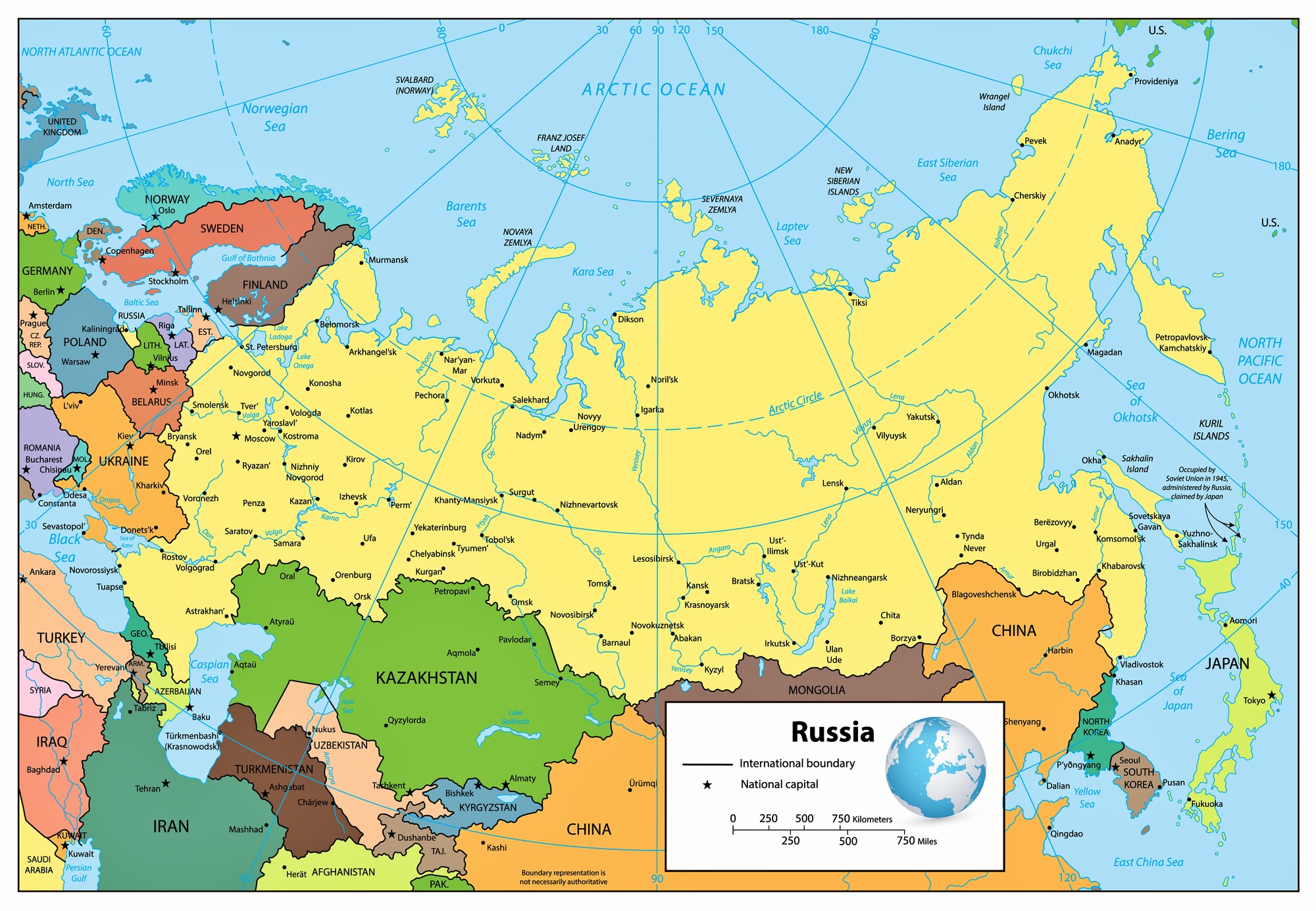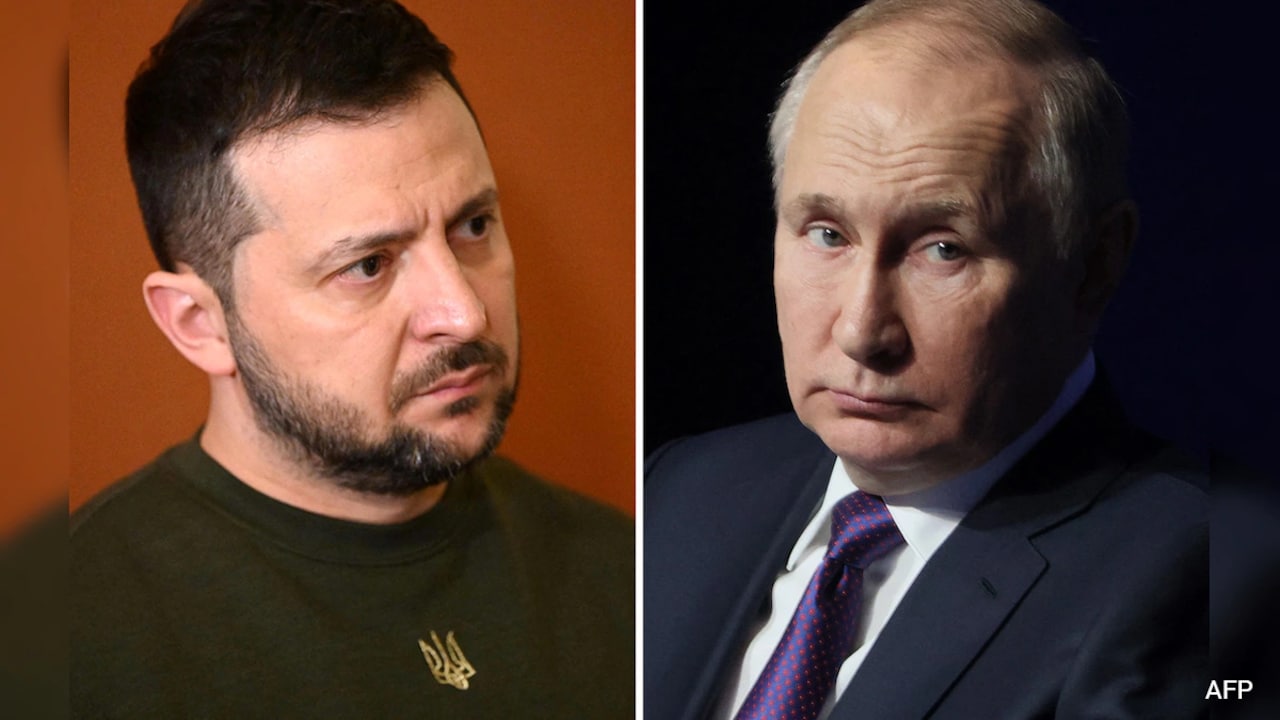
Elections in wartime always carry a thick layer of theater. When ballots open during a prolonged conflict, leaders tend to weaponize the voting booth for domestic validation. Vladimir Putin just accused Kyiv of actively sabotaging the ongoing Russian parliamentary vote, claiming Ukrainian operatives want to disrupt the political process while simultaneously pointing fingers at the suspension of democratic votes in Ukraine itself.
If you look past the standard political posturing, the timing reveals a lot about how Moscow views the intersection of domestic legitimacy and military strategy. Let's break down what is actually happening behind the headlines.
The Narrative War Behind the Ballot Box
Russians started casting votes in a multi-day parliamentary election designed to showcase total public backing for the ongoing war effort. Moscow wants high turnout and predictable margins to project internal stability.
Putin used a meeting with Russia's Military-Industrial Commission to claim that Ukrainian leadership is trying to interfere with these proceedings. He argued that Kyiv's cross-border strikes and local sabotage efforts serve a singular goal: preventing a stable political mandate for the Kremlin.
Of course, the counter-argument from Kyiv is straightforward. Ukrainian officials dismiss the entire voting process as a pseudo election staged across both Russian territory and occupied regions, pointing out that true anti-war opposition candidates were barred from running long before the first ballot dropped.
Turning the Tables on Democratic Mandates
One of the sharpest talking points from Putin's recent statements focused on presidential terms. He labeled Ukraine a dictatorship because the country has not held a new presidential election since Volodymyr Zelenskiy's original mandate expired under wartime martial law.
Under Ukraine's constitution, holding national elections is legally prohibited while a state of emergency remains active. That emergency has been in place since the full-scale invasion began in February 2022.
Putin used this constitutional freeze to question the legitimacy of Kyiv's leadership at the negotiating table, claiming that strikes on Russian-occupied areas—such as a recent attack in Zaporizhzhia that killed a local election official—prove that Ukrainian authorities have zero interest in a diplomatic settlement.
The Military Realities Driving the Rhetoric
Rhetoric about elections rarely stays confined to politics. During the same commission address, Putin pivoted sharply to military readiness. He emphasized that Moscow continues to rely heavily on its nuclear triad while demanding immediate upgrades to domestic anti-missile defenses.
Why the sudden focus on air defense? Because the nature of the war has changed.
Ukraine has heavily invested in domestic long-range drone production. These uncrewed systems have repeatedly struck industrial zones, fuel depots, and military logistics hubs thousands of miles inside Russian borders. When drones disrupt daily civilian life and industrial output hundreds of miles from the front lines, it punctures the Kremlin's narrative that the war is a distant, controlled operation.
Blaming external interference shifts public attention away from these security gaps. It frames domestic disruptions not as military failures of air defense, but as malicious external plots orchestrated by a hostile neighbor.
What Comes Next
Expect the Kremlin to use the final tallies of this parliamentary vote as statistical armor on the international stage. High turnout figures will be packaged as proof that the domestic population stands behind the military doctrine, regardless of economic strain or Western sanctions.
At the same time, the ongoing exchange of strikes and counter-accusations guarantees that any real momentum toward peace talks remains deadlocked. Neither side can afford to look weak at the ballot box or on the radar screen.
Review local security updates, monitor logistics routes closely, and prepare for prolonged diplomatic gridlock as the conflict grinds through its fifth year.