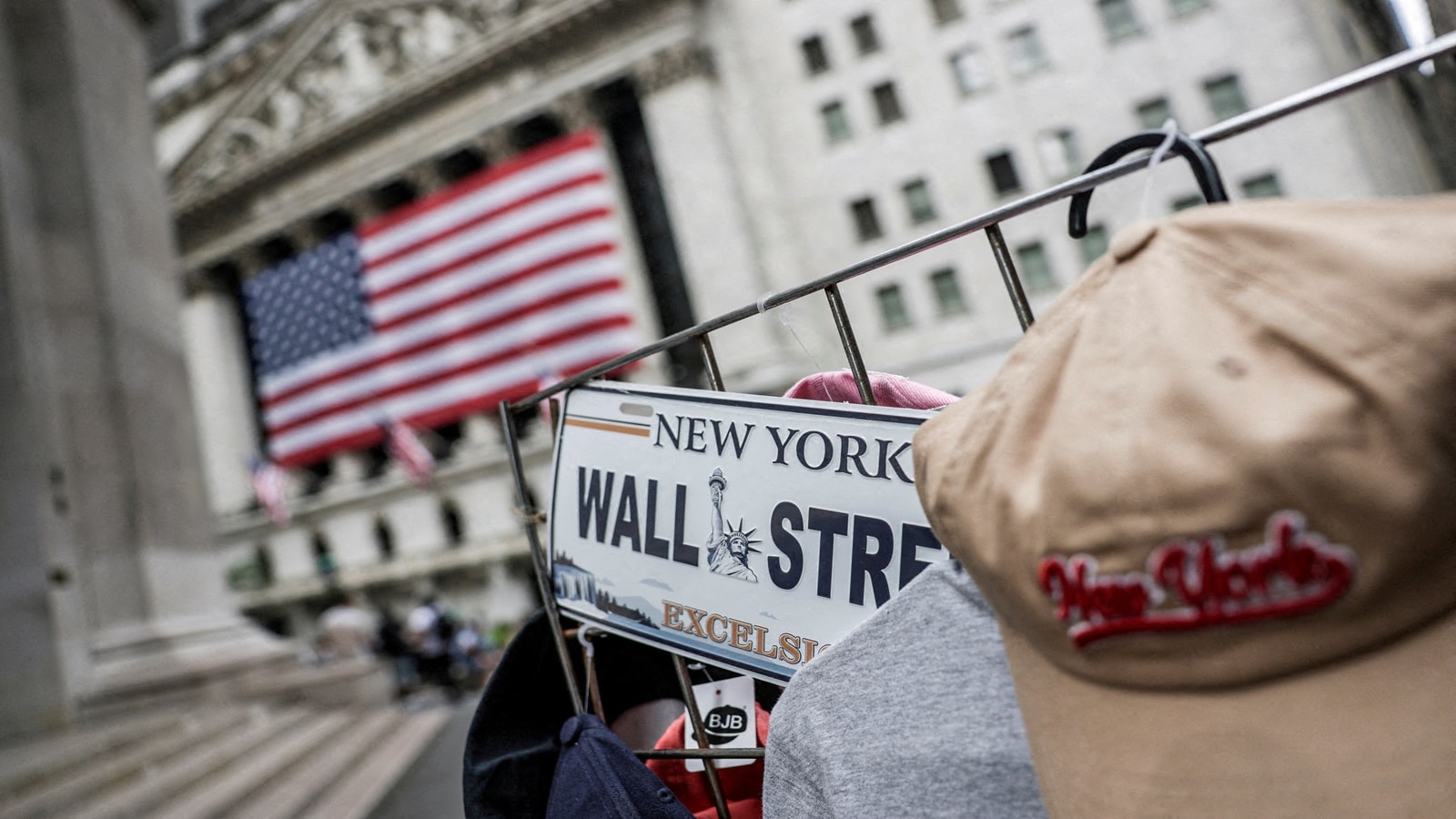
Wall Street is breathing a massive sigh of relief. After suffering its worst weekly slide since March, the market is bouncing back hard. Dow Jones futures recently jumped over 400 points, fueled by a welcome drop in crude oil prices and retreating bond yields.
If you have money in equities, you might be wondering whether this rally has actual legs or if it's just another head fake before the next shoe drops. Let's break down what's driving the market right now and why traders are hyper-focused on upcoming geopolitical talks.
Why Oil and Bond Yields Stopped Choking Stocks
For weeks, high energy costs and stubborn inflation have been squeezing corporate margins. When West Texas Intermediate crude slides over 3% to trade around $97 a barrel, and Brent drops toward $101, supply-chain cost pressures ease immediately.
At the same time, the 10-year U.S. Treasury yield slipped below the critical 5% psychological threshold to settle near 4.957%. That small movement gives equity valuations breathing room.
You see, high yields make risk-free government debt look awfully tempting compared to volatile stocks. When yields pull back even slightly, capital flows right back into growth and technology sectors.
The Trump Xi Summit Changes the Game
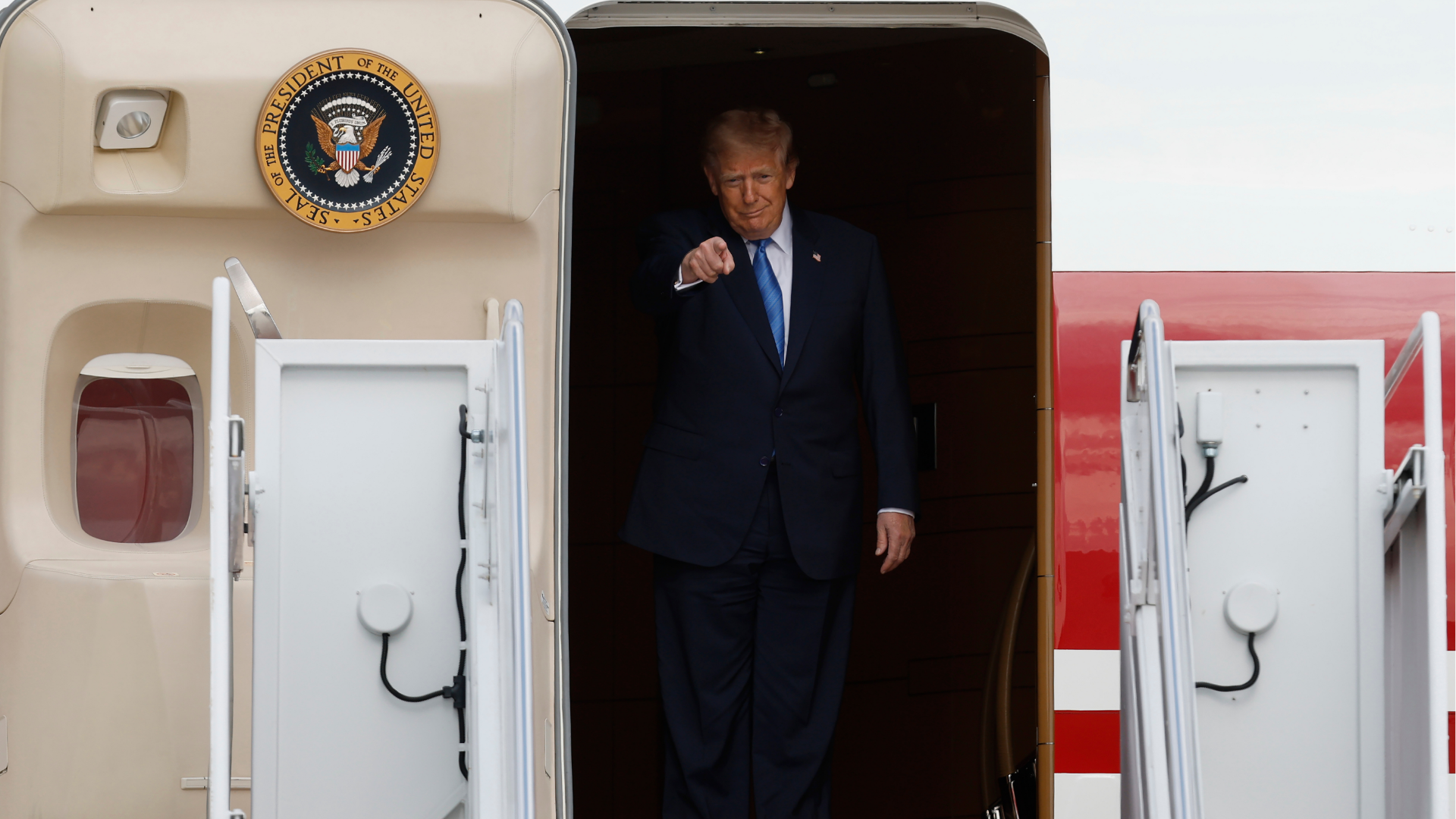
Lower commodity prices are only part of the story. The real macro driver keeping investors glued to their screens is the anticipated high-stakes summit between U.S. President Donald Trump and Chinese President Xi Jinping.
Markets hate uncertainty. Trade tensions, tariffs, and export controls have kept multinational boardrooms on edge for years. Preliminary discussions in New York between U.S. and Chinese officials recently centered on key economic sticking points, including critical minerals and trade frameworks.
More importantly, bilateral talks are diving deep into artificial intelligence guardrails. Treasury Secretary Scott Bessent pointed toward potential frameworks for alerting each side to national-security risks involving AI. When the world's two largest economies start negotiating safety protocols rather than just exchanging tariff threats, tech investors take notice.
The Fed Factor Still Looms Large
You can't talk about market sentiment without addressing the Federal Reserve. The central bank recently executed its first interest-rate increase in three years, reacting to persistent inflation and robust consumer demand.
CME FedWatch data shows markets pricing in a coin-flip probability of another rate hike. Chicago Fed President Austan Goolsbee made it clear that inflationary pressures have broadened out beyond energy and tariffs.
Because of this backdrop, Wall Street is walking a tightrope. LPL Financial chief economist Jeffrey Roach noted that geopolitical risks driving crude prices up are simultaneously forcing the Fed's hand on tighter monetary policy. If oil prices stay down, the Fed gets some breathing room. If energy spikes again, expect rate anxiety to return instantly.
What You Should Do With Your Portfolio Now
Don't let a single green session trick you into abandoning your risk management strategy. Tactical desks at major firms like JPMorgan and Citadel Securities remain neutral to cautious, warning that month-end supply-demand setups can stay choppy.
If you are deploying capital right now, focus on these practical steps:
- Look at AI infrastructure leaders: Semiconductors and AI-linked hardware continue to drive premarket gains when macro headwinds ease. Stick to companies with actual cash flow, not speculative hype.
- Watch the 10-year yield daily: If the benchmark yield creeps back above 5%, trim your high-multiple growth exposure.
- Monitor geopolitical headlines: Watch for concrete outcomes from the Trump-Xi meeting regarding tariffs and tech restrictions. Words matter, but signed trade agreements move stocks.
Keep your cash reserves ready and don't chase parabolic moves based on headline optimism alone.