Wall Street looked entirely ready to crash on a Monday morning in September 2026. Tech indexes bled, oil spiked past one hundred dollars a barrel after a Saudi pipeline closure, and the ten-year Treasury yield punched through five percent for the first time in nearly three years. Traders panicked. Yet, by the closing bell, the dramatic sell-off fizzled out.
If you listened to Jim Cramer break it down on CNBC, the market avoided total disaster because three massive pressures lost their teeth before the final hour. Let's look at why Wall Street refused to break, especially when artificial intelligence anxieties tried to yank the rug out from under the entire tech sector.
The Weekend Essay That Sparked the Panic
The artificial intelligence panic started over a weekend manifesto. Anthropic CEO Dario Amodei published a lengthy essay titled "We Must Pace the Frontier," arguing that the tech industry should voluntarily put the brakes on how fast frontier models scale up capabilities. OpenAI chief Sam Altman and xAI leader Elon Musk quickly chimed in with support.
Traders immediately assumed the worst. If the architects of the artificial intelligence boom wanted to slow down, the massive spigot of cash flowing into data center hardware would dry up overnight. Hardware and industrial giants tied directly to that physical infrastructure took an immediate beating. Intel and Micron dropped roughly five percent. GE Vernova cratered nearly nine percent, and Eaton shed eight percent.
For a brief moment, it felt like the greatest financial trade of our era was hitting an institutional wall.
Why Smart Money Decided Not to Panic
Cramer pointed out that Wall Street quickly realized the panic was overblown. While lab executives called for guardrails and pacing, investors digested a simple reality: pacing development does not mean stopping construction.
Data centers still require enormous amounts of silicon, power, and cooling equipment. The physical buildout of artificial intelligence infrastructure remains an unstoppable freight train, regardless of whether a new model trains for six months or twelve months. The market recognized that capital expenditure spigots were not shutting down. Buyers stepped back into the market because the fundamental economics of the digital infrastructure trade hadn't changed.
Oil and Bonds Also Pulled Back from the Brink
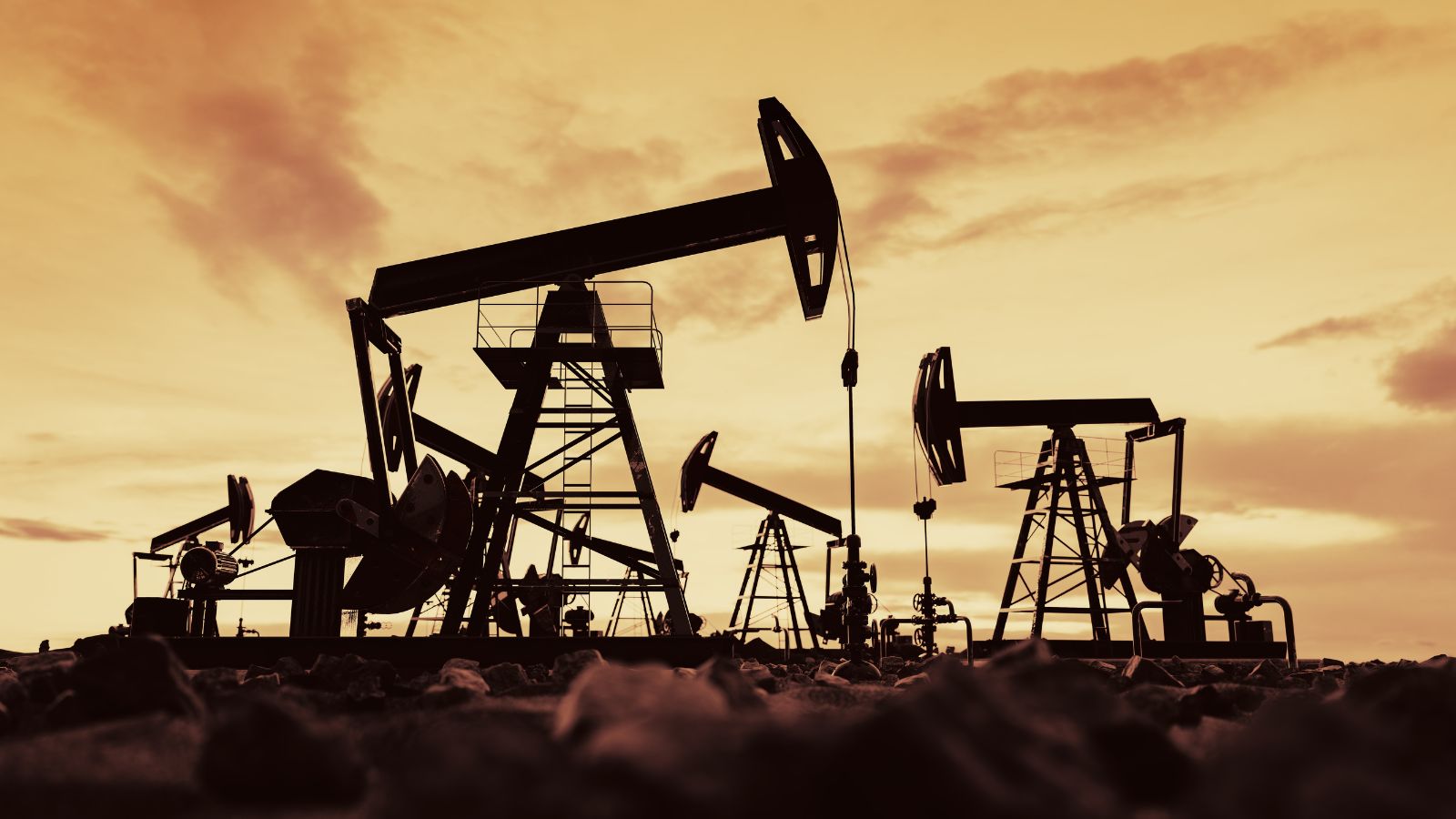
Artificial intelligence wasn't the only ghost haunting trading desks that morning. WTI crude oil shot up roughly four percent toward one hundred two dollars a barrel after Saudi Arabia shut down a key pipeline running around the Strait of Hormuz. That spike threatened to reignite inflation fears and choke economic growth.
Fortunately, oil surrendered most of those gains by afternoon, closing up just over one percent. That reversal took the immediate boot off the throat of consumer-facing and industrial stocks.
At the same time, the bond market hit a psychological milestone. When the ten-year Treasury yield touched five percent, a level not seen since October 2023, actual buyers finally showed up. Yields that high looked too attractive to ignore. Income-seeking investors waded back into fixed income, halting the relentless bond market sell-off that had terrorized equities for weeks.
What This Means for Your Portfolio Right Now
Markets are jumpy because valuations are high and macro risks are piling up. Every time a tech executive publishes an essay or geopolitical tensions flare in the Middle East, algorithmic traders will try to trigger a stampede.
Don't let short-term headlines shake you out of long-term positions. Look past the noise of sudden executive declarations and watch where the actual capital flows. Data center components, power infrastructure, and cybersecurity remain essential as the technology evolves. Separate actual business disruptions from internet panic, keep cash ready for genuine pullbacks, and ignore the day-to-day noise.