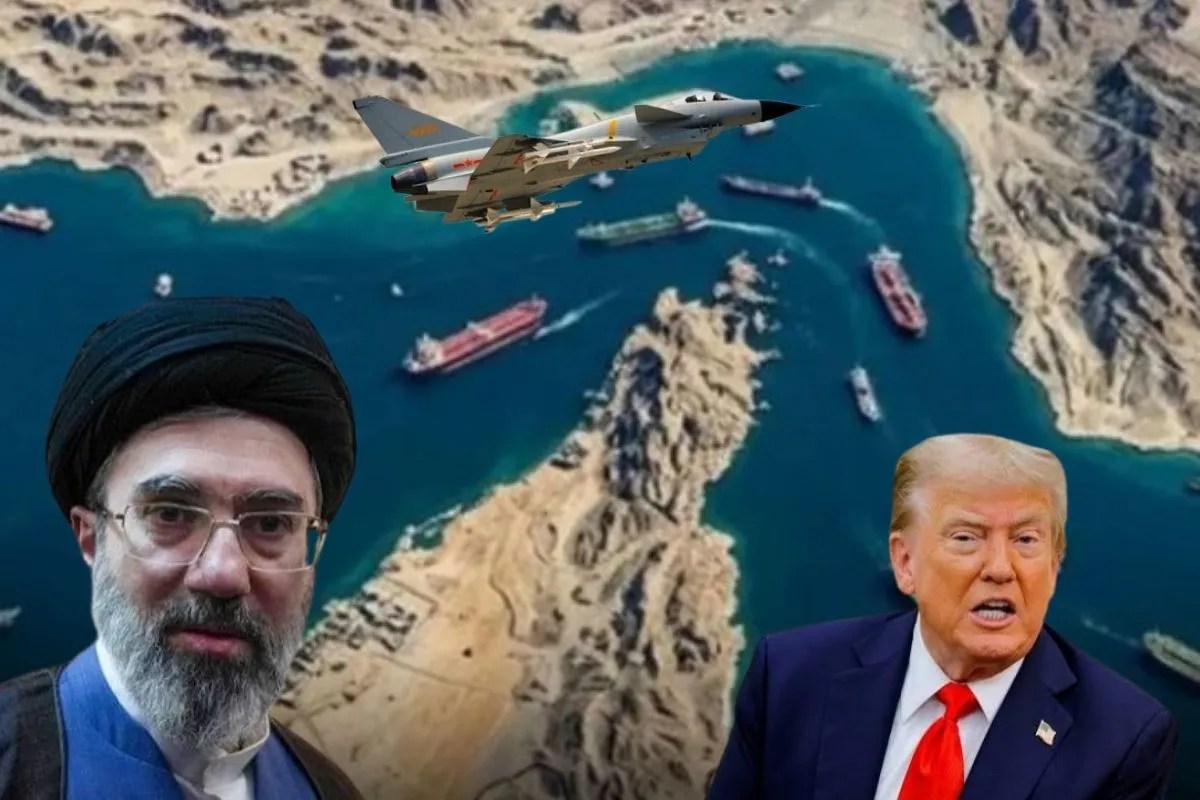
The fragile calm that once held Yemen together is shattered. Riyadh and the Iran-backed Houthi movement are officially back at war, plunging the region into a fresh spiral of violence that threatens global shipping and energy markets. If you thought the 2022 ceasefire permanently solved the crisis, you missed the shifting geopolitical tides of 2026.
How the Renewed Conflict Sparked Back to Life
The embers never truly went out. When regional tensions boiled over, the Houthis aligned themselves with Iran's broader conflicts, rapidly seizing territory along Yemen's vital Red Sea coast. Capturing key areas like Mokha and pushing toward the Bab al-Mandab strait changed the strategic calculus overnight.
Saudi Arabia couldn't just watch. Riyadh launched retaliatory airstrikes across Houthi-held areas, targeting infrastructure to curb the rebel advance. The response was immediate and brutal. Houthi forces launched ballistic missiles and drones directly at Saudi soil, striking oil facilities in Yanbu and forcing air raid sirens to wail across Riyadh.
The High Stakes for Global Energy and Trade
You might wonder why a localized civil war matters to the rest of the world. The answer is simple geography. The Bab al-Mandab strait handles roughly 12 percent of global trade. When the Houthis declare a naval blockade targeting Saudi shipping, supply chains feel the immediate shockwaves.
Energy security is equally fragile. Saudi Arabia sits at the heart of global oil production, and refineries near the capital and Red Sea ports make prime targets for long-range drone technology. A single successful strike on an Aramco facility sends jitters through international markets instantly.
What the Diplomatic Stalemate Means Now
Washington and its international partners find themselves stuck. The United Nations reports that tens of thousands of civilians have been newly displaced by the latest ground offensives and airstrikes, pushing a suffering population closer to the brink.
Houthi leadership insists peace is simple: end the decade-long blockade on rebel-held ports and negotiations can begin. Meanwhile, Saudi military planners face mounting security threats on multiple fronts without guaranteed foreign intervention.
The battlefield has shifted, the old truces are dead, and the conflict on the Arabian Peninsula is burning hotter than ever.