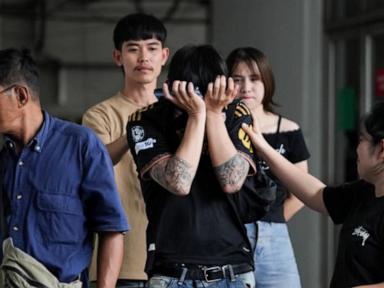
An explosive fire tore through a packed live music bar in Bangkok, Thailand, late Sunday night, leaving 30 people dead and dozens fighting for their lives. The tragedy at the Rong Beer Na Lat Phrao bar in Bangkok's Chatuchak district is the deadliest establishment fire the city has seen in 17 years.
As families search frantically for their missing loved ones, investigators are focusing on a familiar, frustrating list of safety failures: blocked exits, flammable acoustic foam, and a lack of proper emergency planning.
If you've ever stepped foot inside a crowded venue and wondered if you'd actually get out in an emergency, this disaster shows exactly what happens when businesses cut corners on safety. Here is a look at how the disaster unfolded and why a routine night out turned into a death trap.
The Chaos Inside Rong Beer Na Lat Phrao
Around 11 p.m. on Sunday, July 12, 2026, the live music venue was packed with patrons listening to the local band Tosakan. Without warning, the power cut out.
The band's bass player, Anan Prasert, later recalled smelling what he initially assumed was overheating gear. Within ten seconds, sparks and a heavy cloud of smoke began pouring from the ceiling behind the stage. Then came a sudden explosion.
Athipat "Ice" Wijarn, the band's singer, felt a wave of intense heat strike the back of his head as he scrambled to crawl through the sudden darkness. What followed was absolute panic. People rushed the main entrance, trampling discarded shoes, phones, and each other. Outside, bystanders captured terrifying video footage of a massive, horizontal jet of fire blasting straight out of the front doors.
Why Were So Many Trapped?
By Tuesday morning, the death toll had risen to 30. Most of the victims didn't die from burns. They choked on toxic smoke.
When a fire breaks out in a closed space, you have mere minutes to escape. National Police Chief Kittharath Punpetch revealed a heartbreaking detail: a large number of the victims were found dead inside the bar's windowless bathrooms.
When the lights failed and smoke filled the main hall, panic-stricken customers ran toward what they thought was safety. In the dark, the bathrooms became a dead end.
So why didn't they use the emergency exits?
Investigators discovered multiple failures that made escape almost impossible:
- Blocked Passageways: A table set up in a hallway to sell candy reportedly blocked the path to one rear exit.
- Storage Hazards: Shelving units, lockers, and stacks of beer crates narrowed the escape path near the kitchen.
- Locked Doors: Emergency doors that should have pushed open easily were allegedly locked or obstructed, trapping fleeing patrons inside.
- Lack of Emergency Lighting: Once the main power failed, the venue plunged into total darkness. Without backup lights to guide the way, finding a rear exit in a smoke-filled room became an impossible task.
The Loophole in the Law
The bar sat at a busy intersection in the northern Chatuchak area, highly popular with locals. Legally, the venue was registered as a restaurant that featured live music rather than an official "entertainment venue."
Because of where it was built, the bar sat outside the city's designated entertainment zones. Amorn Pimanmas, president of the Thailand Structural Engineers Association, pointed out that this classification allowed the venue to bypass the incredibly strict fire safety codes required for nightclubs.
Instead, it operated under looser rules. The building had low ceilings and utilized cheap, highly flammable acoustic foam for soundproofing. Once the fire hit that foam, it didn't just burn; it turned into a toxic gas chamber.
A Familiar Pattern of Negligence
For locals, this disaster carries a painful sense of déjà vu. It's Thailand's worst venue fire since the infamous Santika Club blaze on New Year's Eve in 2009, which claimed 67 lives. In 2022, another fire at the Mountain B nightclub in Chonburi killed 26 people under almost identical circumstances: blocked doors, lack of windows, and highly flammable soundproofing foam.
Bangkok Governor Chadchart Sittipunt has ordered a sweeping, city-wide survey of similar nightlife venues to reassess their fire risk. The reality, however, is that inspections during the day rarely capture how a venue actually operates at night when the crowds arrive and extra tables are dragged into exit paths.
How to Protect Yourself When You Go Out
You can't control whether a venue owner follows the law, but you can control how you react. Safety experts suggest three immediate habits to practice whenever you enter a crowded bar or club:
- Spot the Second Exit: When you walk in, never assume you'll leave through the front door. Look for the emergency exit signs immediately. If they're blocked by boxes, tables, or musical gear, consider leaving.
- Keep Your Phone in Your Hand or Pocket: Don't leave your phone on a table. If the lights go out, your phone screen or flashlight is your only tool to navigate a dark, smoke-filled room.
- React Instantly: If you smell smoke or see sparks, don't wait for an official announcement. Don't finish your drink. Leave immediately. In a room filled with synthetic foam, you have less than two minutes before the air becomes deadly.