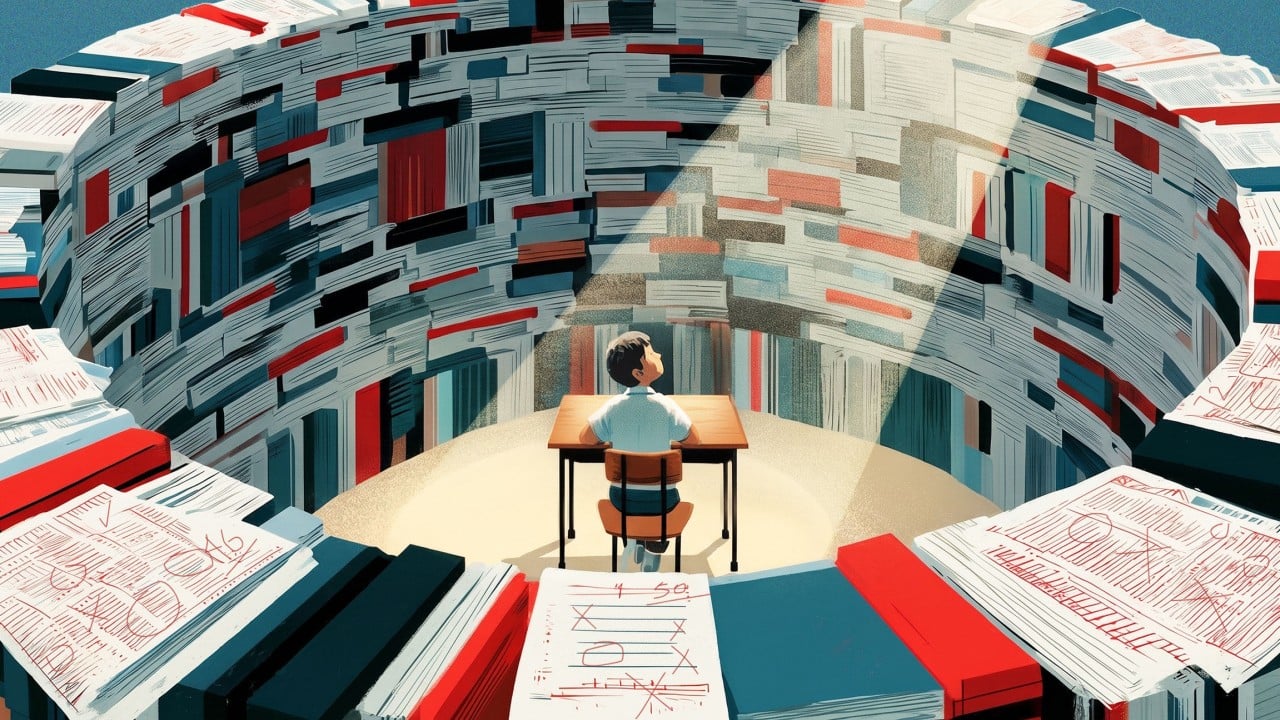
Global student performance data keeps flashing warning signs for Australian education, showing a steady slide in reading, science, and mathematics scores over the past two decades. Classrooms face rising disruption rates, and the fragmented state-versus-private structure creates barriers that other nations simply don't deal with. If you look at how top-performing countries handle curriculum design and teacher training, you'll spot massive gaps in how things run locally.
Other global education systems are leaving fragmented models behind in favor of centralization, clear phonics instruction, and disciplined learning environments. Australia has plenty to learn from these international approaches if it wants to reverse a twenty-year downward trend.
The Problem With a Fragmented System
Australia runs a deeply siloed education setup. State governments, Catholic systems, and independent private schools all operate on separate tracks. This division makes widespread reform painfully slow.
Pasi Sahlberg, an international education expert, points out that a fragmented, competitive school system struggles to learn from its own successes. When every sector protects its own turf, sharing high-performing teaching tactics across borders becomes nearly impossible.
Contrast this with top-tier international systems. Nations that consistently rank at the top of PISA assessments usually maintain a unified curriculum direction. Teachers follow evidence-backed standards instead of reinventing the wheel in every school district.
What England and Asia Teach Us About Basics
When federal Education Minister Jason Clare responded to recent global performance data, he pointed straight at England's turnaround as a blueprint. England jumped up the rankings in reading, maths, and science by doubling down on explicit instruction methods like systematic phonics.
Phonics isn't a trendy theory. It’s a mechanical, sound-based approach to teaching children how to read and write. When schools stop treating literacy like a guessing game and start teaching explicit phonics early, student outcomes improve fast.
Similarly, high-performing Asian educational powerhouses prioritize foundational knowledge before jumping into abstract problem-solving. You can't think critically about a topic you don't understand. Building a heavy base of core facts allows students to tackle complex tasks later. Australian classrooms often try to flip this equation, pushing open-ended inquiry before students have the facts.
Managing Classroom Disruption and Screen Distractions
Disruptive behavior remains a massive hurdle in local schools. Global reports routinely rank Australian classrooms among the most disrupted in the developed world.
While mobile phone bans have rolled out across many states, laptops and tablets still create constant distractions during lessons. Kids bounce between schoolwork and digital entertainment in seconds.
Countries that manage this best treat the classroom as a distraction-free zone. Teachers maintain authority, and technology serves as a targeted tool rather than an all-day babysitter. Respect and quiet focus come before interactive screen-time gimmicks.
Fixing Teacher Training and Retention
You can't talk about school reform without looking at the people standing in front of the whiteboard. Burnout is high, and many first-time teachers struggle to manage tough classrooms without proper mentorship.
Other nations invest heavily in rigorous, hands-on teacher training before graduates ever enter a solo classroom. They treat teaching like a high-status medical residency rather than a quick university degree. If Australia wants better outcomes, raising the standard of teacher preparation is non-negotiable.
Stop waiting for systemic reform to magically happen from the top down. Parents and educators need to push for evidence-based phonics, structured maths curriculums, and distraction-free environments right now.
How Do Aussie Students Compare With the Rest of the World?
This video provides an overview of how Australian student performance compares globally in maths, reading, and science.
:max_bytes(150000):strip_icc():focal(776x237:778x239)/Baby-Otter-Rescue-092023-2-ca7067be5b7543bfb78a8a15d36ecdf8.jpg)