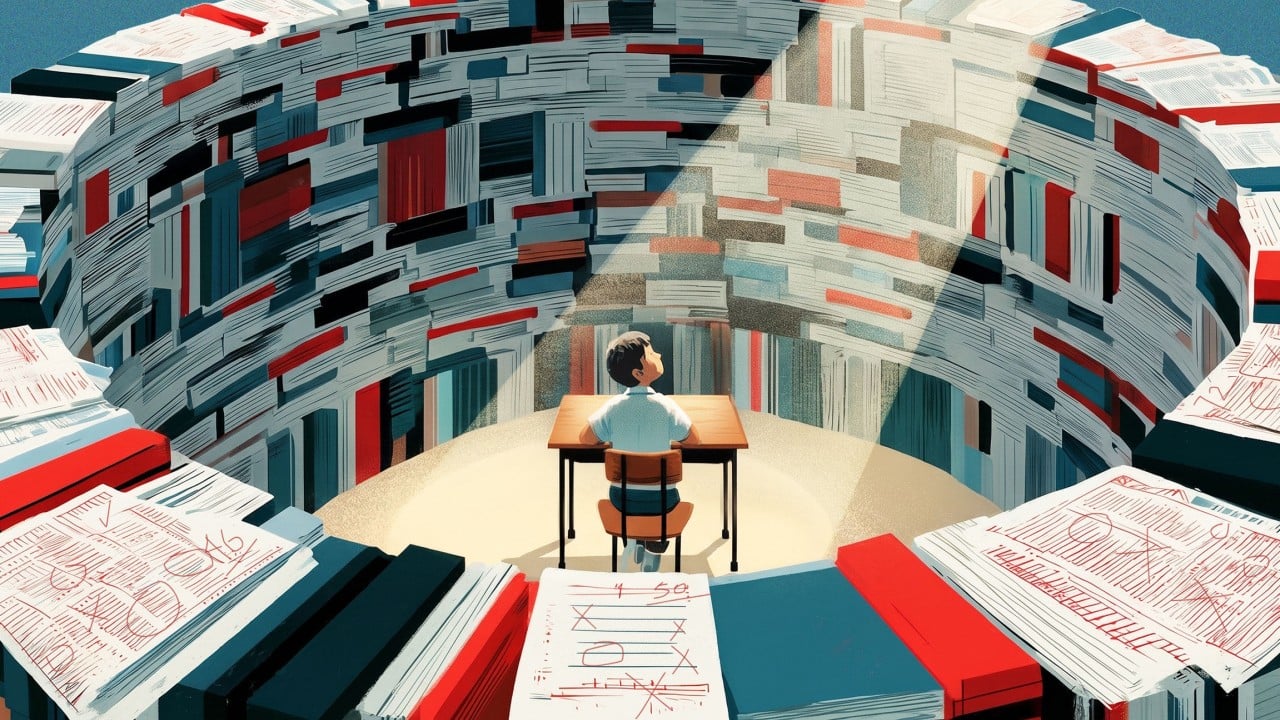
Hong Kong schools are caught in a time warp. Students still spend their formative years memorizing textbooks for standardized exams while the rest of the world races toward an automated, unpredictable future.
The traditional script is broken. Parents shell out fortunes for cram schools, students burn out before university, and employers complain that graduates lack practical skills. Everybody knows the system needs fixing. Yet, policymakers keep tweaking the edges instead of redesigning the core.
Fixing the local schooling model doesn't require a ten-year committee study. Three straightforward adjustments can inject real momentum into the system right now.
Ditch High-Stakes Exam Dependency
The Hong Kong Diploma of Secondary Education exam rules everything. Schools teach to the test because their survival depends on pass rates. This hyper-focus turns kids into test-taking robots.
We need alternative pathways that actually mean something. Elite institutions like Diocesan Boys' School are starting to offer multiple university pathways, proving that breaking away from a single exam model works. More schools must follow suit.
Universities should expand holistic admissions. Grades matter, but they shouldn't be the only metric that counts. When admissions officers look at portfolios, project work, and real-world problem-solving, students stop seeing exams as their only ticket to success.
Reimagine Classrooms for the Age of Artificial Intelligence
Artificial intelligence is already writing essays and solving equations faster than any teenager. Continuing to grade students on rote tasks that machines handle in milliseconds is absurd.
Instead of banning AI tools or pretending they don't exist, schools must integrate digital literacy into everyday classes. Teachers need training on how to use AI as a collaborative partner rather than a cheating device.
Assessment must shift away from take-home essays that can be generated in seconds. Oral examinations, live group projects, and practical coding challenges are much harder to fake. If you don't adapt the testing method, the qualification loses its value entirely.
Expand Global Exposure Inside the Core Curriculum
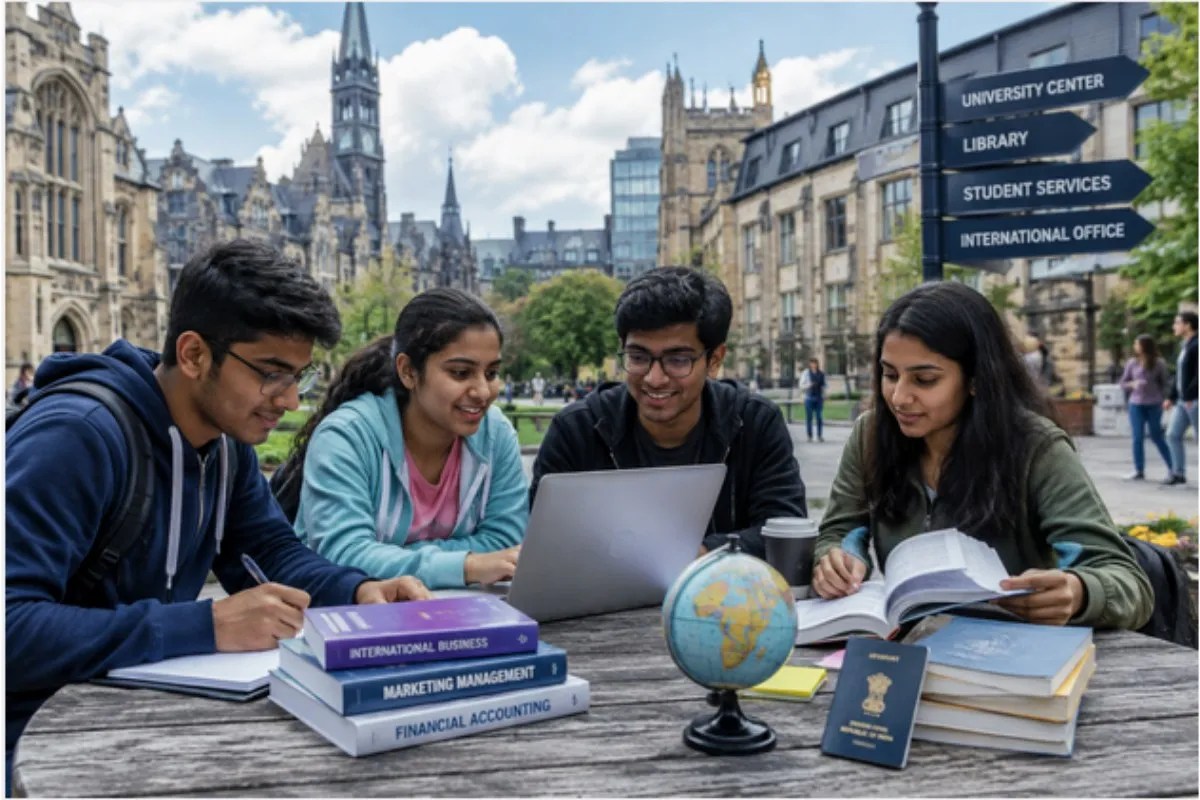
Hong Kong prides itself on being an international hub. Yet, the typical classroom remains stubbornly insular.
Students graduate without a solid grasp of how regional economies operate or how to collaborate across international borders. Expanding global learning isn't just about adding an elective class. It means embedding cross-cultural projects and real-world regional case studies directly into core subjects.
When students work on problems alongside peers from different cities within the Greater Bay Area and beyond, they build actual working competence. They learn how to navigate cultural nuances and communicate across barriers. That is the exact skill set required in the modern job market.
Stop waiting for top-down mandates to save the classroom. True modernization starts when individual institutions decide to stop preparing students for a world that no longer exists.

:max_bytes(150000):strip_icc():focal(776x237:778x239)/Baby-Otter-Rescue-092023-2-ca7067be5b7543bfb78a8a15d36ecdf8.jpg)